


 Food & Culture
Food & Culture
Sichuan Travel Guide: Chengdu, Pandas, Scenic Wonders & Food
Sichuan blends urban vibrancy in Chengdu with stunning natural wonders like Jiuzhaigou, ancient Buddhas, and Tibetan plateaus, offering endless adventures for every traveler.
 Food & Culture
Sichuan Province stands out as one of China’s most enchanting destinations, merging bustling city life with breathtaking natural beauty and rich cultural tapestries. Spanning 485,000 square kilometers with a population exceeding 83 million, it features Chengdu as its lively capital and boasts diverse landscapes from fertile basins to towering mountains.
Chengdu: The Vibrant Gateway to Sichuan
Chengdu pulses with energy, serving as the ideal starting point for any Sichuan journey. Known for its relaxed atmosphere amid rapid development, the city captivates visitors with ancient teahouses, historic alleys, and world-famous **giant panda sanctuaries**. The Chengdu Research Base of Giant Panda Breeding offers intimate encounters with these iconic animals in lush bamboo forests, where you can watch them roll and munch.
Stroll through People’s Park, the social hub where locals sip tea at Heming Teahouse, observing mahjong games and ear-cleaning performances. Nearby, Kuanzhai Xiangzi’s wide and narrow alleys preserve Qing Dynasty architecture, lined with boutiques, street food stalls, and teahouses evoking old-world charm. Wenshu Monastery provides a serene escape with its incense-filled halls and vegetarian eateries.
Chengdu’s culinary scene revolves around its fiery **Sichuan cuisine**, famous for numbing peppercorns and bold chilies. Must-try dishes include mapo tofu, kung pao chicken, and dan dan noodles, best sampled at local hotpot spots or night markets like Jinli Street.
Iconic Natural Marvels and Sacred Sites
Sichuan’s landscapes rival its urban appeal, featuring UNESCO-listed wonders and sacred mountains. **Jiuzhaigou National Park**, on the Tibetan Plateau’s edge, enchants with turquoise lakes, cascading waterfalls, and multicolored pools reflecting autumn foliage. Nearby Huanglong Scenic Area dazzles with terraced calcium pools and snow-capped peaks.
- Explore 108 vivid lakes and primeval forests in Jiuzhaigou.
- Visit the five-color pools and ancient temples in Huanglong.
- Hike trails amid dramatic ravines and hot springs.
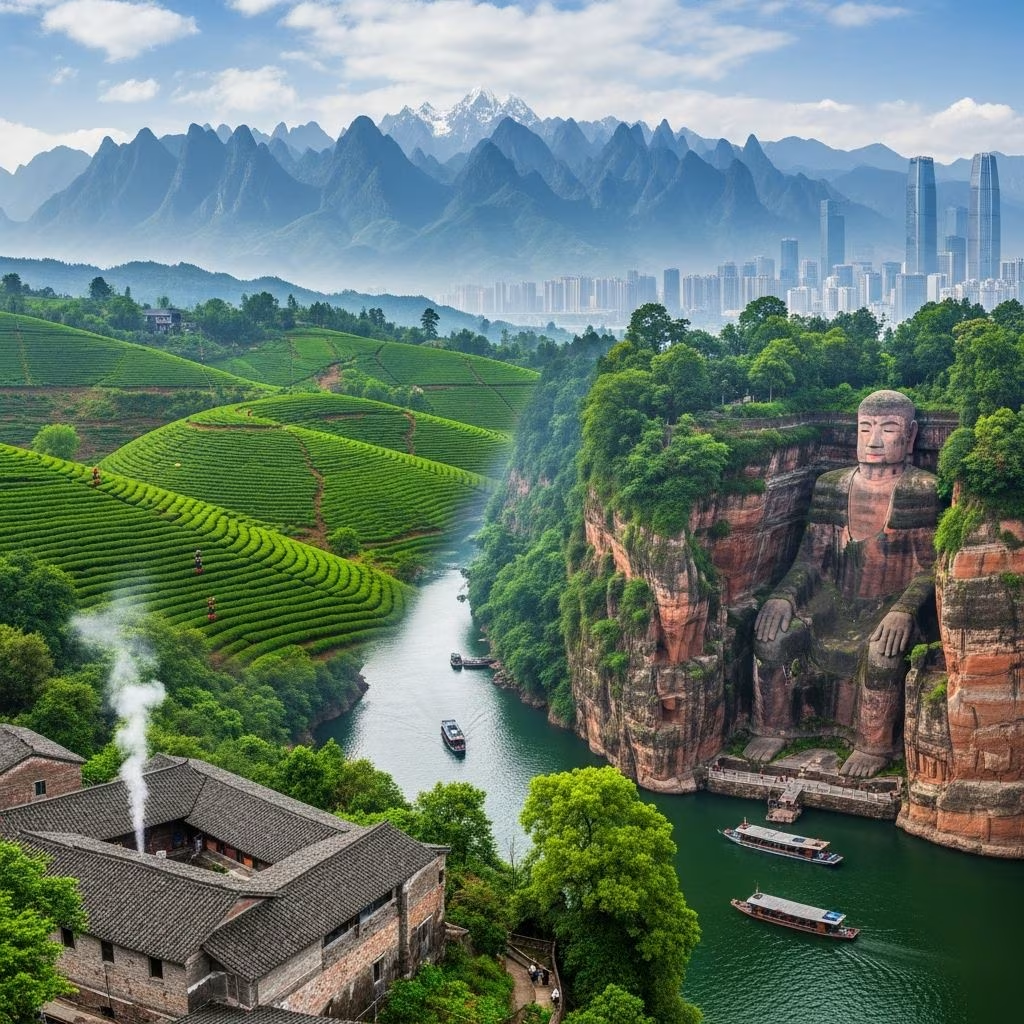
The **Leshan Giant Buddha**, a 71-meter cliff-carved statue from the 8th century, overlooks the confluence of three rivers. Boat tours offer stunning views of this engineering marvel, a UNESCO site symbolizing ancient devotion.
**Mount Emei**, one of China’s four sacred Buddhist mountains, rises to 3,099 meters. Pilgrims ascend via cable cars or steps past golden summits, monkeys, and misty temples. Stay overnight near the peak for sunrise over undulating ridges.
Western Sichuan: Tibetan Frontiers and Rugged Beauty
Beyond the eastern basin lies western Sichuan’s high-altitude Tibetan realms, part of the Kham region. Follow the historic Tea Horse Road from Ya’an through Kangding to Batang, tracing ancient trade routes that swapped tea for horses.
Destinations like **Yading Nature Reserve** near Daocheng feature sacred peaks, alpine lakes, and meadows at over 4,000 meters. Tagong Grassland offers vast prairies dotted with monasteries, while Litang hosts the longest prayer wheel in the world amid nomadic herders.
Venture to Ganzi Prefecture for off-beaten paths: Zhonglu Tibetan Village, Changqingchunkeer Monastery, and the Eye of Genyen Mountain provide epic scenery and cultural immersion. Further afield, Katok and Baiyu Monasteries showcase Tibetan Buddhism’s grandeur.
Historical Treasures and Ancient Civilizations
Sichuan cradles China’s ancient Shu civilization, evident at **Sanxingdui Museum**. Bronze masks and artifacts from 4,800 years ago reveal a mysterious Bronze Age culture blending with Central Plains influences post-Qin unification.
**Dujiangyan Irrigation System**, a 2,200-year-old engineering feat, diverts the Min River to irrigate vast farmlands, still functional today. Mount Qingcheng, nearby, is the birthplace of Taoism with misty paths and pavilions.
The province divides into cultural zones: Ba-Shu heartland, Panzhihua-Xichang highlands, and western plateau, each preserving unique festivals, operas, and handicrafts.
Practical Travel Planning for Sichuan
Sichuan’s connectivity shines with Chengdu’s international airport and high-speed trains. Best visited spring (March-May) or autumn (September-November) to dodge summer rains and winter chills in the west.
| Region | Top Sights | Best Time | Travel Tips |
|---|---|---|---|
| Chengdu & East | Pandas, Leshan, Emei | Year-round | Book panda tickets early |
| Northern Valleys | Jiuzhaigou, Huanglong | Autumn | Shuttle buses mandatory |
| Western Tibetan Areas | Yading, Litang | Summer | Altitude meds, permits needed |
For multi-day trips, consider a 10-14 day itinerary: Days 1-3 in Chengdu, 4-6 at Emei/Leshan, 7-9 in Jiuzhaigou, and 10-14 exploring Ganzi or Yading. Guided tours handle permits for border areas.
Indulging in Sichuan’s Culinary Delights
Sichuan food is a global sensation for its mala (numbing-spicy) profile. Beyond hotpot, savor spicy noodles, rabbit heads, and skewered meats from street vendors. Chengdu’s food streets like Chunxi Road buzz nightly.
Vegetarian options abound at monasteries, featuring bamboo shoots and mock meats. Pair meals with baijiu or pipa wine, and learn cooking classes for authentic recipes.
Sustainable Exploration and Local Experiences
Embrace responsible travel: Support homestays in Tibetan villages, avoid single-use plastics in parks, and respect monastery etiquettes like clockwise circumambulations. National initiatives enhance ancient towns with Wi-Fi while preserving heritage.
Bike panda bases, join tea ceremonies, or trek Tea Horse trails for immersive adventures.
Frequently Asked Questions
What is the best time to visit Sichuan?
April-May or September-October for mild weather and vivid scenery across regions.
Do I need a visa for Sichuan’s western areas?
Standard China visa suffices, but Tibetan autonomous prefectures may require travel permits arranged via agencies.
Is high altitude an issue in western Sichuan?
Yes, areas over 3,500m like Litang demand acclimatization; consult doctors for precautions.
How to see giant pandas?
Visit Chengdu Research Base or Dujiangyan early morning when active; feeding times peak at 9-11 AM.
Is Sichuan cuisine too spicy for beginners?
Request mild versions (‘bu la’); flavors layer beyond heat with Sichuan peppercorns.
References
- China Itinerary: Off the beaten path in Sichuan and Qinghai — The Travel Bunny. 2023. https://thetravelbunny.com/china-itinerary-sichuan/
- The BEST Sichuan Tours and Things to Do in 2026 — GetYourGuide. 2026. https://www.getyourguide.com/sichuan-l1040/
- Things to see & do in Sichuan — Responsible Travel. 2024. https://www.responsiblevacation.com/vacations/china/travel-guide/sichuan
- Sichuan Travel Guide: Tours, Attractions, Cities, Introduction — Travel China Guide. 2024-10-01. https://www.travelchinaguide.com/cityguides/sichuan/
- Sichuan Travel Guide – Attractions, Things to Do, Map & Itineraries — China Discovery. 2025. https://www.chinadiscovery.com/sichuan.html
On This Page
Chengdu: The Vibrant Gateway to Sichuan Iconic Natural Marvels and Sacred Sites Western Sichuan: Tibetan Frontiers and Rugged Beauty Historical Treasures and Ancient Civilizations Practical Travel Planning for Sichuan Indulging in Sichuan's Culinary Delights Sustainable Exploration and Local Experiences Frequently Asked Questions← Previous
Florida Freshwater Fishing, Springs & Paddling Guide
Next →
Malmö Walking Tour: Design, History & Waterfront Highlights
Related Reading
More in Food & Culture
Food & Culture Food & Culture
 Food & Culture
Best Places to Eat in Rome: Neighborhood Dining Guide
 Food & Culture
 Food & Culture