 Stays
StaysStays
Simien Mountains National Park Trekking Guide
An in-depth guide to trekking Ethiopia's Simien Mountains National Park, covering routes, preparation, wildlife, and essential tips for hikers of all levels.
 Stays
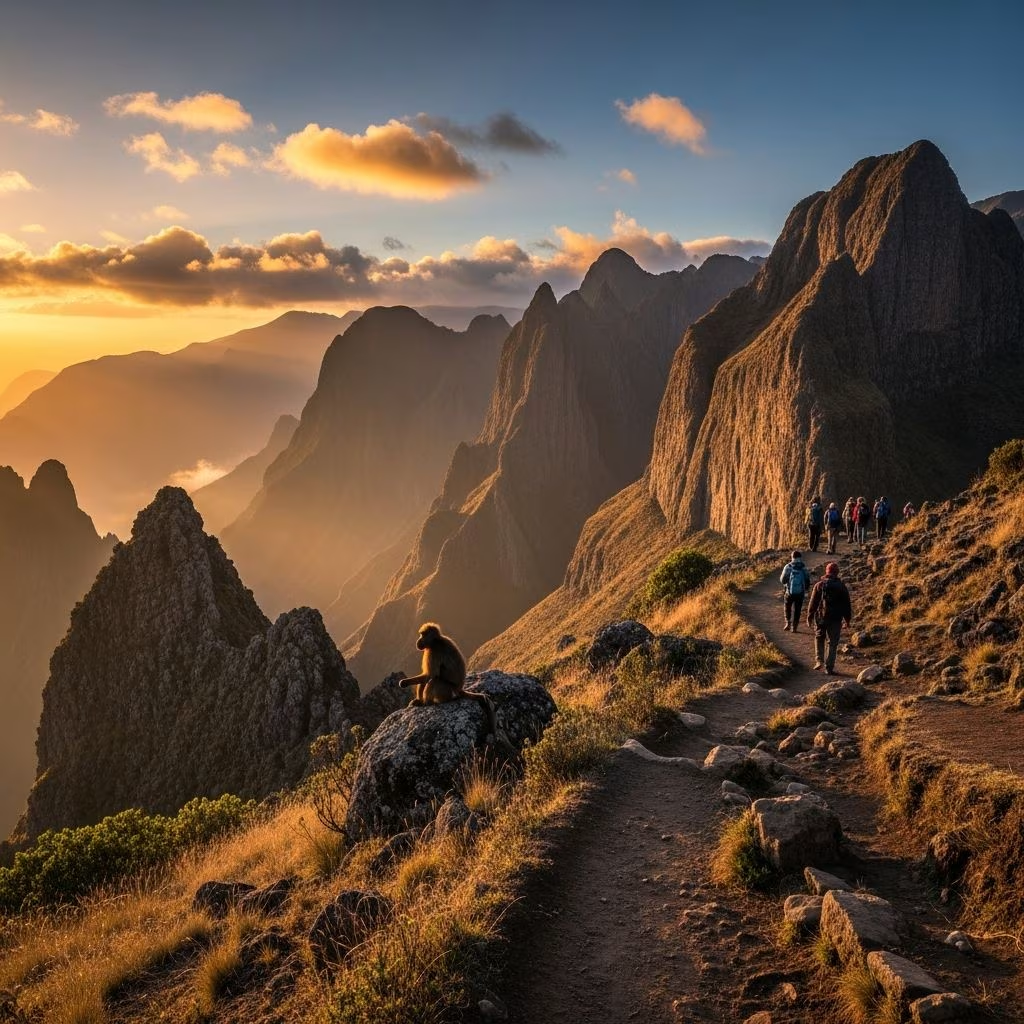
StaysEthiopia’s Simien Mountains National Park stands as a crown jewel among Africa’s highland destinations, offering hikers unparalleled vistas of jagged escarpments, deep valleys, and unique alpine ecosystems. This UNESCO World Heritage site, located in the northern Amhara region, draws adventurers with its network of trails leading to peaks over 4,000 meters, encounters with endemic wildlife, and a sense of remote wilderness that feels worlds away from modern bustle.
The Allure of the Simien Highlands
Nestled northeast of Gondar, the Simien Mountains form part of the Ethiopian Highlands, where ancient tectonic forces have carved dramatic plateaus divided by steep gorges. Rising to elevations exceeding 4,500 meters, the range includes Ras Dashen, Ethiopia’s highest point at 4,550 meters, alongside other summits like Bwahit at 4,430 meters and Kidus Yared at 4,453 meters. The park’s landscape shifts from misty green valleys to rocky ridges, creating a visual feast that changes with the light and weather.
What sets Simien apart is its biodiversity. Gelada baboons, the world’s only grass-eating primates, roam in troops along the trails, their golden manes vivid against the green slopes. Ethiopian wolves, ibex, and klipspringers add to the wildlife spectacle, while over 180 bird species, including the thick-billed raven and lammergeier vulture, soar overhead. Trekkers often describe the experience as a journey through a living painting, where every turn reveals new panoramas.
Popular Trekking Routes and Itineraries
Simien offers treks from day hikes to multi-week expeditions, with nine major campsites—Sankaber, Gich (Geech), Chennek, and others—serving as hubs. Most itineraries follow the primary escarpment, linking these sites over 3 to 7 days, though extensions to remote peaks extend adventures up to two weeks.
Classic 3-4 Day Escarpment Traverse
The most accessible route starts at Sankaber (after an acclimatization hike from Buit Ras), proceeds to Gich, then Chennek. Day one from Sankaber to Gich covers 25 km of undulating terrain, passing villages and gelada troops amid mist-shrouded peaks. Day two targets Imet Gogo (3,926m), a 5-6 hour round trip from Gich involving a descent to Jinbar River valley and steep ascent to a ridge with 360-degree views. The final leg to Chennek offers viewpoints like Kedadit, where geladas gather at dusk.
- Distance: 50-70 km total
- Elevation gain: Moderate, 3,000-3,900m range
- Highlights: Jinbar Waterfall, escarpment panoramas, wildlife sightings
Challenging Peaks: Bwahit and Ras Dashen
For summit seekers, Bwahit from Chennek is a 4-hour round trip at high altitude, testing endurance on even gradients up to 4,430m. Ras Dashen demands more: a 12-hour push from Ambiko (7 hours up, 5 down), with steep sections and thin air requiring peak fitness. Advanced variants link Ras Dashen to Abba Yared (4,409m) or Silke (4,420m) via ridges to Arekwazeye camp, spanning 7+ hours with vistas at Kidus Yared and Waliakend.
| Route | Duration | Difficulty | Key Peaks/Views |
|---|---|---|---|
| Sankaber-Gich-Chennek | 3 days | Moderate | Imet Gogo, Jinbar Valley |
| Chennek-Bwahit | 1 day | High altitude | Bwahit Summit |
| Ambiko-Ras Dashen | 1-2 days | Very challenging | Ras Dashen (4,550m) |
| Extended Escarpment Loop | 5-7 days | Advanced | Kidus Yared, Silke |
Shorter Day Hikes and Extensions
Beginners can opt for acclimatization hikes from park entries or village homestays in lowlands. Community treks south of the park add cultural depth, while overnights at lodges like Limalimo or Simien Lodge allow trail access without full camping.
Essential Preparation and Gear
Acclimatization is crucial; start with a Sankaber hike to adjust to 3,000m+ elevations. Fitness levels vary: escarpment treks suit moderate hikers, but Ras Dashen demands strong cardio and leg strength.
Required Gear:
- Waterproof trekking boots, rain gear, layered clothing for cold nights
- Sleeping bag (rated to 0°C), mat, headlamp
- Water purification (streams available), high-energy snacks
- Sunscreen, hat, trekking poles for descents
Park entry mandates an armed scout for safety against wildlife or rare hyenas. Guides, cooks, and mules for gear are standard; arrange via Debark offices or Gondar operators. Permits cost around $10/day, plus fees for scouts/guides.
Navigating Logistics and Access
Fly into Gondar or Axum, then bus/taxi to Debark (park HQ, 100km from Gondar). 4×4 transfers reach trailheads; camping gear rents cheaply. Best season: October-March (dry, clear); avoid June-September rains.
Lodging options span campsites (basic toilets, cooking fires) to eco-lodges with hot showers. Food is simple—injera, lentils—but porters handle meals.
Wildlife and Conservation Insights
Simien’s endemics thrive due to conservation: geladas number thousands, ibex rebound from near-extinction. Trekkers contribute via fees supporting anti-poaching. Spot Ethiopian foxes at dusk, lammergeiers scavenging cliffs.
Safety Considerations and Tips
Altitude sickness risks rise above 4,000m—hydrate, ascend gradually. Weather shifts fast; pack for fog, hail. Stick with scouts; off-trail risks rockfalls, steep drops. Emergency evacuations use mules or helicopters rarely.
- Start early for views, weather
- Respect wildlife—keep 50m from geladas
- Train with loaded pack hikes pre-trip
Why Trek Simien? A Hiker’s Perspective
Beyond physical challenge, Simien immerses in Ethiopian culture: chat with Debark herders, share coffee in villages. Sunsets from Chennek or Imet Gogo eclipse many global treks, blending raw nature with profound solitude.
Frequently Asked Questions (FAQs)
Do I need a guide for Simien treks?
Armed scouts are mandatory; guides recommended for navigation, logistics.
What’s the best time to visit?
Dry season (Oct-Mar) for optimal weather and trails.
How fit do I need to be?
Moderate for escarpment; excellent for peaks like Ras Dashen.
Are there accommodation options besides camping?
Yes, lodges like Simien Lodge; campsites primary.
Can families or beginners trek here?
Short hikes yes; full treks better for experienced.
Planning Your Simien Adventure
Budget $50-100/day including fees, food, transport. Book guides early via reputable outfits. Simien rewards preparation with memories of Africa’s wild heart—pack light, hike bold.
References
- Ultimate Guide to Trekking in the Simien Mountains — Brilliant Ethiopia. 2023. https://www.brilliant-ethiopia.com/national-parks/simien-mountains/trekking
- Simien Mountains A Beginner’s Guide & Trekking Expeditions — Kabira Safaris. 2024. https://kabirasafaris.com/simien-mountains/
- Simien Mountains (Four-day trek) — TravelsBeer. 2023. https://www.travelsbeer.com/en/travel/simien-mountains-four-day-trek/
- Trekking Guide – Simien Mountains National Park Ethiopia — Uncharted Backpacker. 2024. https://www.unchartedbackpacker.com/trekking-guide-simien-mountains-national-park-ethiopia/
- UNESCO World Heritage Centre – Simien National Park — UNESCO. 2024-01-15. https://whc.unesco.org/en/list/19/
On This Page
The Allure of the Simien Highlands Popular Trekking Routes and Itineraries Essential Preparation and Gear Navigating Logistics and Access Wildlife and Conservation Insights Safety Considerations and Tips Why Trek Simien? A Hiker's Perspective Frequently Asked Questions (FAQs) Planning Your Simien Adventure← Previous
Houtong Cat Village: Taiwan’s Charming Coal Mining Town
Next →
Houtong Cat Village: Taiwan’s Charming Cat-Themed Mining Town
Related Reading