


 Food & Culture
Food & Culture
Singapore Hawker Food Guide: Must-Try Dishes and Where to Find Them
Explore Singapore's vibrant hawker culture through 15 essential local foods, complete with hawker center recommendations, preparation tips, and dining etiquette for an unforgettable culinary adventure.
 Food & Culture
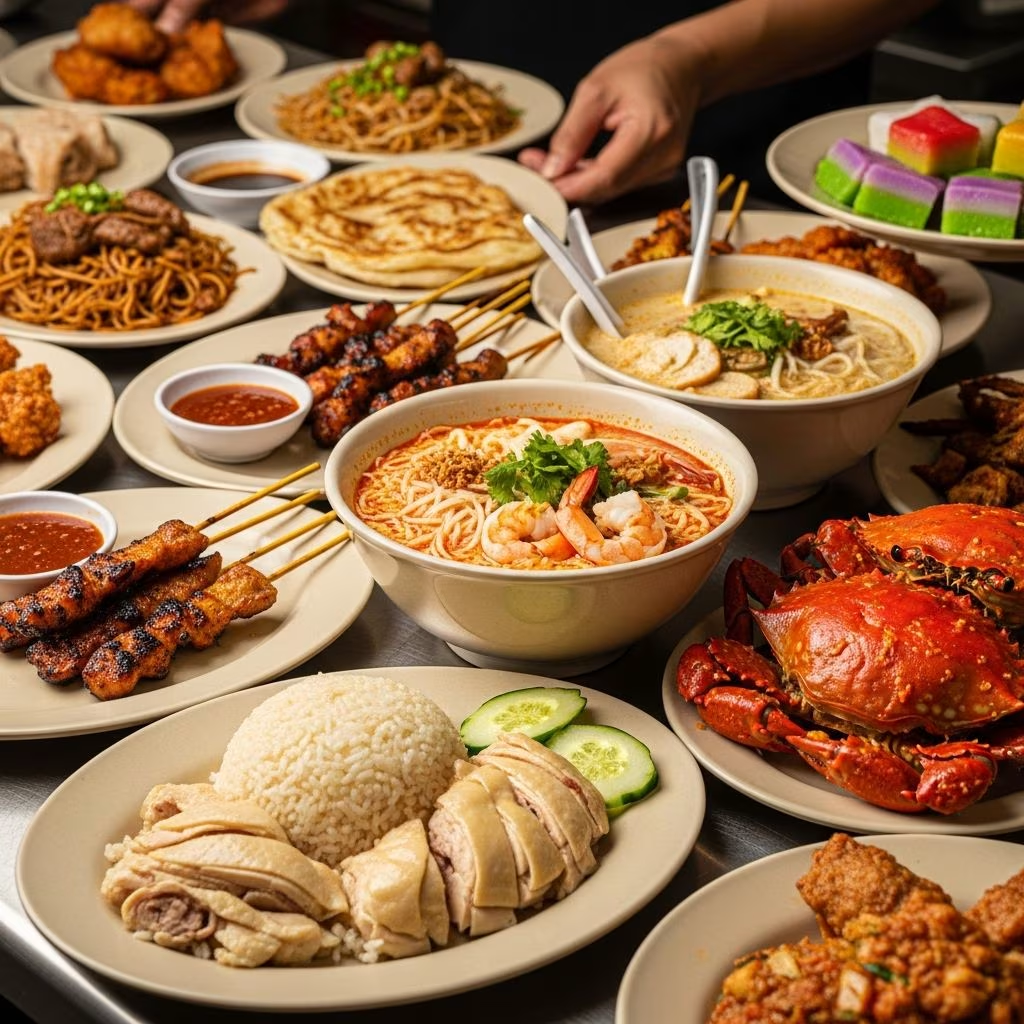
Singapore’s culinary landscape thrives in its bustling hawker centers, where affordable, flavorful dishes reflect the city’s multicultural heritage. These open-air food courts offer everything from Chinese-inspired comforts to Malay spicy delights and Indian savory treats, all prepared by expert vendors using time-honored techniques. This guide highlights essential eats, their origins, and prime locations to experience them, helping visitors navigate the vibrant scene with confidence.
Iconic Breakfast Staples to Start Your Day
Mornings in Singapore often begin with hearty, comforting breakfasts from hawker stalls. These dishes combine simplicity with bold flavors, fueling locals and tourists alike.
- Kaya Toast: Crispy toast slathered with coconut jam (kaya) and butter, paired with soft-boiled eggs and kopi (strong coffee). This Hainanese-Malay fusion is a daily ritual.
- Roti Prata: Flaky, pan-fried flatbread served with curry gravy. Tear it into pieces and dip for the perfect bite; options include egg or cheese fillings.
- Congee (Porridge): Smooth rice porridge topped with chicken, fish, or century eggs. Its warming broth makes it ideal for humid mornings.
Head to Ya Kun Kaya Toast or Killiney Kopitiam for kaya toast, where queues form early. Zhen Zhen Porridge at Maxwell Food Centre offers silky congee varieties for around SG$3.
Signature Noodle Dishes for Lunch Cravings
Noodles dominate Singapore’s midday meals, showcasing wok hei—the smoky essence from high-heat stir-frying. Each variety highlights fresh ingredients and regional influences.
| Dish | Key Flavors | Top Spots | Price Range (SG$) |
|---|---|---|---|
| Hokkien Prawn Mee | Seafood broth, prawns, squid, egg noodles | Rasapura Masters, Marina Bay Sands | 5-8 |
| Char Kway Teow | Wok hei, cockles, lap cheong sausage, bean sprouts | Hill Street Char Kway Teow, Havelock Road | 6-10 |
| Wantan Mee | BBQ pork, dumplings in clear broth, springy noodles | Fei Fei Roasted Noodle, Yuhua Village | 4-6 |
| Beef Kway Teow | Tender beef slices, silky flat rice noodles in gravy | Geylang Famous Beef Kway Teow, Lorong 9 | 5-7 |
Char kway teow at Meng Kee Fried Kway Teow in Havelock Road Cooked Food Centre delivers intense umami from pork fat and sweet sauce. Hokkien mee’s seafood punch shines at Marina Bay Sands outlets.
Comforting Rice-Based Favorites
Rice dishes embody everyday Singaporean comfort, often elevated by aromatic stocks or spicy sambals. They’re ubiquitous and endlessly customizable.
- Hainanese Chicken Rice: Poached or steamed chicken over garlic-infused rice, with ginger-chili-soy dips. Considered a national treasure for its subtle perfection.
- Nasi Lemak: Coconut rice with fried chicken, anchovies, peanuts, cucumber, and sambal. A Malay breakfast-turned-all-day meal.
Tian Tian at Maxwell Food Centre is legendary for chicken rice, with tender meat and fragrant grains drawing long lines. Nasi lemak variations appear at RISE in Marina Bay Sands.
Spicy Soups and Hearty Broths
Singapore’s humid climate pairs perfectly with spicy, soupy dishes that refresh and satisfy. Laksa stalls are hawker center staples.
- Laksa: Coconut curry noodle soup with prawns, fish cake, bean sprouts, and cockles. The spicy-sweet broth is addictive.
- Bak Kut Teh: Peppery pork rib soup with garlic and herbs. Herbal versions exist, but the peppery style warms from within.
Guang Fa Laksa at Havelock Road uses house-made chili paste for balanced, non-oily broth. Song Fa Bak Kut Teh offers fall-off-the-bone ribs in rich soup.
Unique Hawker Specialties and Snacks
Beyond staples, hawker centers hide gems like crispy fritters and unconventional fusions, perfect for snacking.
- Oyster Omelette (Orh Luak): Gooey eggs mixed with plump oysters and starch, fried crispy at edges. A Chinesse seafood classic.
- Chwee Kueh: Steamed rice cakes topped with preserved radish (chai poh) and chili. Soft texture contrasts crunchy topping.
- Carrot Cake (Chai Tow Kway): Radish flour cake stir-fried white (plain) or black (with soy). Crispy exterior, soft inside.
Ah Hock Fried Oyster at Whampoa Food Market serves stellar orh luak. Jian Bo Shui Kueh in Tiong Bahru Market has perfected chwee kueh for decades.
Evening Indulgences: Crabs and Desserts
As night falls, hawker centers buzz with seafood and sweets. Geylang district shines for late-night feasts.
- Chili Crab: Mud crab in sweet-spicy tomato-chili sauce, eaten with mantou buns. White pepper crab offers a fiercer alternative.
- Ice Cream Sandwich: Tropical flavors like durian or pandan between soft buns. A cooling street snack for SG$1.
JB Ah Meng in Geylang masters pepper crab and crispy san lou bee hoon.
Navigating Hawker Centers: Tips for First-Timers
Hawker centers like Maxwell, Havelock Road, and Tiong Bahru are UNESCO-recognized for sustainability and culture. Arrive early to beat crowds, look for long queues as quality indicators, and clear trays after eating—a local courtesy. Prices stay low (SG$3-10 per dish), cash preferred at stalls. Hydrate with sugarcane juice or barley drinks.
Frequently Asked Questions
What is the most famous dish in Singapore?
Hainanese chicken rice tops lists as a national dish, praised for its simplicity and flavor balance.
Are hawker centers safe and hygienic?
Yes, many hold health awards; Singapore’s strict standards ensure cleanliness.
Best time to visit hawker centers?
Lunch (12-2 PM) and dinner (6-9 PM) peak; breakfast avoids crowds.
Vegetarian options available?
Abundant—try mock meat chicken rice or vegetable roti prata.
How spicy are the dishes?
Varies; request “less spicy” (chio) for tolerance adjustment.
Planning Your Food Trail
Start at Maxwell Food Centre for chicken rice and congee, hit Havelock for laksa and kway teow, end in Geylang for crab. Use apps like Google Maps for real-time queues. This trail captures Singapore’s food diversity in one day.
References
- MUST TRY Singapore Local Foods — Sharon Loh. 2015-07-26. https://sharontravelogue.com/2015/07/26/singapore-local-food-must-try-recommended/
- Singapore Food Guide: 25 Must-Eat Dishes — Migrationology. N/A. https://migrationology.com/singapore-food/
- How to Eat in Singapore like it’s your last Day on Earth — Seasoned Traveller. N/A. https://seasonedtraveller.com/best-of-lists/where-to-eat-singapore
- What to Eat in Singapore: Best Singapore Local Food — Marina Bay Sands. N/A. https://www.marinabaysands.com/guides/singapore-foodie-guide/guide-to-singapore-local-food.html
- Where to Eat in Singapore: 25 Places for Shiok Food — Will Fly for Food. N/A. https://www.willflyforfood.net/best-singapore-restaurants/
On This Page
Iconic Breakfast Staples to Start Your Day Signature Noodle Dishes for Lunch Cravings Comforting Rice-Based Favorites Spicy Soups and Hearty Broths Unique Hawker Specialties and Snacks Evening Indulgences: Crabs and Desserts Navigating Hawker Centers: Tips for First-Timers Frequently Asked Questions Planning Your Food Trail← Previous
Ethical Elephant Sanctuaries in Thailand: Where to Visit Responsibly
Next →
Alaska Fishing Guide: Best Seasons, Species, Spots & Trips
Related Reading
More in Food & Culture
Food & Culture Food & Culture
 Food & Culture
Best Places to Eat in Rome: Neighborhood Dining Guide
 Food & Culture
 Food & Culture