

 Travel Essentials
 Travel Essentials

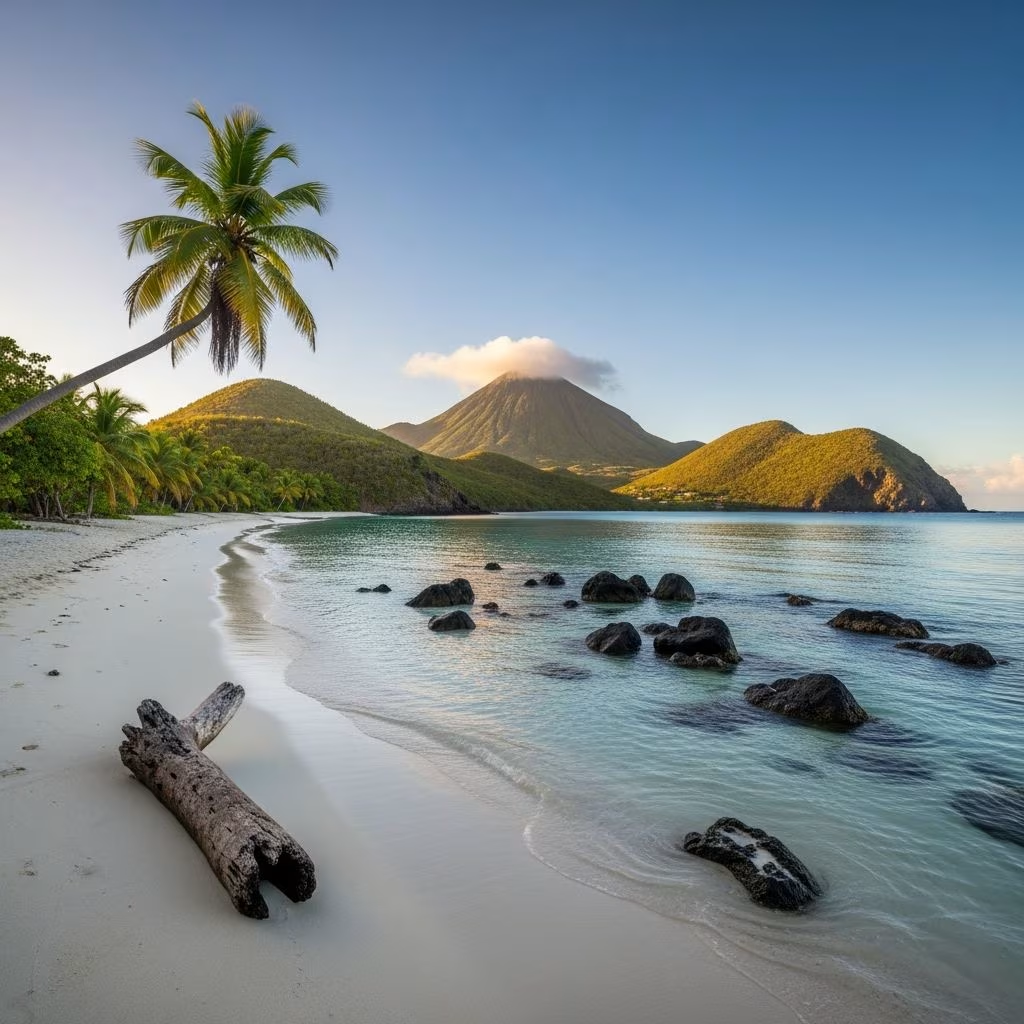
Sint Eustatius offers world-class diving, the dormant Quill volcano, rich historical sites, and an authentic Caribbean experience away from crowded tourist destinations.
 Travel Essentials
Nestled in the Dutch Caribbean, Sint Eustatius, commonly known as Statia, represents one of the region’s best-kept secrets. Unlike the heavily touristed islands that dominate Caribbean vacation plans, this small island maintains an understated charm that appeals to travelers seeking authentic experiences over resort amenities. With a population of fewer than 3,000 residents, Statia offers a glimpse into Caribbean life as it was before mass tourism transformed the landscape.
The island’s history as a major 18th-century trading port still influences its character today. Walking through its streets reveals layers of colonial heritage, from Dutch architectural influences to the remnants of its bustling commercial past. For visitors willing to venture beyond conventional tourist destinations, Sint Eustatius delivers exceptional value through world-class underwater experiences, outdoor adventures, and genuine cultural interactions.
Accessing Sint Eustatius involves deliberate travel choices that reflect the island’s deliberately preserved remoteness. The primary transportation methods are aviation and maritime routes.
Air Travel: The island’s airport accommodates regional flights, primarily connecting travelers from neighboring Caribbean islands. This option provides the most direct access for international visitors combining multiple island visits.
Ferry Services: Water-based transportation offers an alternative perspective on the island’s geography. A 45-minute ferry connects Sint Eustatius to nearby St. Kitts, while longer crossings from other nearby islands require two to three hours of travel time. These maritime journeys allow visitors to appreciate the island’s position within the Caribbean archipelago and often provide dolphin and bird sightings along the route.
Once arriving on the island, ground transportation relies on rental vehicles, local taxis, or walking in the island’s compact settlements. The modest infrastructure reinforces Statia’s deliberate approach to tourism development, prioritizing environmental preservation and cultural authenticity over convenience-driven expansion.
Sint Eustatius has earned recognition as a premier diving destination despite its small size and limited tourist infrastructure. The island’s designation as a diving hub stems from unique oceanographic conditions and strict marine conservation policies.
Diving Site Diversity: The marine environment features 36 distinct dive locations offering varied experiences for all skill levels. First-time divers can begin their underwater journeys at shallow, sheltered sites monitored by experienced instructors. Advanced divers access deeper formations featuring dramatic volcanic underwater topography and complex reef systems.
Historical Shipwrecks: More than a dozen 18th-century shipwrecks scattered throughout Statia’s waters provide extraordinary archaeological diving experiences. These vessels, representing the island’s peak commercial era, remain relatively undisturbed on the seafloor. Additional wreck sites include a Taiwanese fishing vessel, creating an unusual combination of maritime history spanning different centuries.
Marine Biodiversity: Strict environmental regulations maintain thriving populations of sea turtles, stingrays, barracuda, squirrel fish, and extensive coral formations. The island’s deep underwater shelves, created by volcanic activity, produce ideal conditions for diverse marine ecosystems. Visibility regularly reaches remarkable distances, enhancing photography and observation opportunities.
Diving Services: Two primary diving operations—Statia Divers by Golden Rock and Scubaqua—manage most underwater expeditions. Both companies employ experienced guides familiar with site-specific conditions and conservation protocols.
While diving dominates Sint Eustatius’s underwater reputation, snorkeling provides accessible alternatives for visitors seeking underwater experiences without technical certification requirements.
Oranjestad Bay, accessed from Bay Path, offers optimal snorkeling conditions with calm waters, reasonable visibility, and abundant marine life. The bay’s relatively shallow profile eliminates the necessity for boat transportation, allowing independent exploration within designated areas.
Snorkeling experiences reveal colorful fish populations, sea fan formations, and coral structures thriving in clear Caribbean waters. Unlike heavily visited snorkeling destinations, Statia’s limited tourist volume means encounters with other visitors remain minimal, providing intimate connections with marine environments.
Dominating the island’s landscape, the Quill (also known as Mt. Mazinga) presents an irresistible hiking challenge for outdoor enthusiasts. This dormant volcano rises 601 meters (1,972 feet) above sea level, offering comprehensive island views and exceptional natural experiences.
Trail Characteristics: The hiking route features moderate difficulty with challenging inclines and uneven terrain requiring appropriate footwear. While specialized hiking boots provide optimal ankle support, sturdy shoes with secure fastening offer adequate protection. The substantial tree canopy provides shade throughout most of the journey, though tropical heat remains a consistent challenge.
Duration and Distance: A complete roundtrip to the crater rim typically requires two to three hours of hiking, depending on individual fitness levels and pace preferences. The trail maintains clear markings throughout, eliminating the necessity for professional guides.
Panoramic Vistas: A particularly stunning viewpoint emerges at a clearing just before the crater path descends. On clear days, this location provides unobstructed sightlines toward Saba and St. Kitts islands. The crater itself features dramatic volcanic formations creating photography opportunities and natural wonders.
Crater Descent: Adventurous hikers can descend into the crater itself, though this requires additional time, physical exertion, and caution. The interior crater landscape presents unique ecological zones and perspectives unavailable from the rim.
Practical Preparation: Abundant water consumption prevents heat-related challenges, and starting early provides optimal lighting and temperature conditions. A small QR code near the trailhead permits digital payment for trail maintenance fees, supporting the ongoing preservation of this natural resource.
Sint Eustatius’s colonial heritage manifests throughout the island in preserved structures, archaeological sites, and cultural institutions documenting centuries of Caribbean history.
Fort Oranje: This 17th-century fortification occupies a commanding position overlooking Oranjestad’s lower town and harbor. Originally constructed to defend the island during its peak commercial era, the fortress now provides dramatic vantage points for viewing the Caribbean coastline. Recent restoration efforts maintain the structure’s integrity while allowing public access to explore its military architecture and historical significance.
Fort de Windt: Located near the island’s southern tip, this smaller 18th-century fortification protected harbor approaches during Statia’s trading heyday. Though less substantially preserved than Fort Oranje, the site features partial stone structures and vintage cannons indicating its former defensive role.
St. Eustatius Historical Foundation Museum: This institution preserves artifacts, documents, and interpretive materials documenting the island’s complex history encompassing indigenous settlements, colonial occupation, enslaved labor systems, and contemporary development. Museum exhibits provide context for understanding Statia’s evolution from a thriving 18th-century commercial center to its current status as a conservation-focused destination.
Lower Town Exploration: The historic waterfront area combines archaeological significance with contemporary commercial functions. Warehouse ruins represent the commercial infrastructure supporting the island’s historical prominence, while modern dive shops and modest restaurants maintain active use of this atmospheric district.
Oranjestad Upper Town: The elevated residential and administrative core features Dutch colonial architecture, stone pathways, and government buildings. This district maintains quiet dignity, with well-preserved structures reflecting the island’s architectural heritage.
Dutch Reformed Church: Established during the island’s 18th-century prosperity, this structure represents the spiritual and cultural infrastructure supporting Dutch settlement and commerce. Though no longer an active congregation, the church merits visits as a historical landmark.
Sint Eustatius presents a contrasting beach environment compared to conventionally idealized Caribbean destinations. Rather than extensive stretches of pristine white sand, the island features limited beaches with distinctive character reflecting its volcanic geology.
Zeelandia Beach: The island’s largest and most developed beach, located on the northern shore, offers extended sand access with dramatic cliff views and the Quill rising majestically in the background. Though featuring darker sand than tropical resorts, Zeelandia provides the closest approximation to traditional Caribbean beach experiences. The powerful Atlantic surf creates energetic water conditions suitable for experienced swimmers.
Orange Beach and Lynch Beach: These smaller facilities provide alternative coastal access points. Each location features limited development, maintaining natural aesthetics and reducing crowding.
Swimming Conditions: Visitors should note that certain beaches feature strong undertows, making swimming inadvisable in specific locations. Local knowledge regarding safe swimming areas proves essential for water safety.
Blue Bead Discovery: Sint Eustatius holds a distinctive treasure in small cobalt-colored glass beads distributed throughout coral formations. Originally brought by Dutch traders during the 17th and 18th centuries, these beads historically functioned as currency in Caribbean commerce, including transactions involving enslaved people. Local legend suggests that discovering one of these beads ensures the finder’s future return to Statia, creating a tangible connection to the island’s past.
Archaeological Participation: The Sint Eustatius Center for Archaeological Research (SECAR) extends opportunities for visitors to participate in active excavations. This unique offering allows travelers to contribute directly to scientific understanding of the island’s history while gaining hands-on experience in archaeological methodology.
Botanical Gardens: The Miriam C. Schmidt Botanical Garden showcases native and cultivated plant species, providing peaceful outdoor spaces and ecological education.
Friday Night Boardwalk: This weekly social gathering represents authentic community culture increasingly rare in heavily touristed Caribbean destinations. Residents congregate along the Oranjestad waterfront for conversation, music, food, and refreshment. Visitors participating in this event experience genuine local social customs rather than tourism-oriented performances. Special promotions, such as two-for-one drink specials, encourage participation, while the atmosphere maintains distinctly local character despite visitor presence.
Carnival Celebrations: Annual summer carnival festivities showcase music, dancing, parades, pageantry, and cultural performances. These events emphasize community participation and cultural expression, creating vibrant seasonal highlights.
Easter Observances: Christian traditions receive prominent recognition through special events and celebrations, reflecting the island’s religious heritage and community values.
Regional Events: Throughout the year, concerts, conferences, and specialized events create opportunities for cultural engagement beyond typical tourist offerings.
| Category | Details |
|---|---|
| Population | Approximately 3,000 residents |
| Language | Dutch, English widely spoken |
| Transportation | Rental vehicles, local taxis, walking |
| Main Settlement | Oranjestad |
| Accommodation | Limited options concentrated in Oranjestad |
| Dining | Modest restaurants, local cuisine emphasis |
Sint Eustatius functions with intentionally limited tourism infrastructure, reflecting deliberate preservation policies. Accommodation options cluster primarily in Oranjestad, ranging from basic guest houses to modest hotels. Dining establishments emphasize local cuisine, with street vendors offering authentic food experiences when identified.
Sint Eustatius represents a model for sustainable tourism development within the Caribbean context. Strict biodiversity regulations protect marine environments and terrestrial ecosystems from exploitation. Environmental fees, such as those for hiking the Quill, fund conservation initiatives. Limiting tourist volume and infrastructure development preserves the island’s character while generating economic benefits for residents.
Sint Eustatius maintains deliberate underdevelopment, prioritizing environmental preservation and cultural authenticity over mass tourism infrastructure. This approach creates distinctly authentic experiences unavailable on heavily touristed islands.
The island appeals particularly to experienced travelers seeking alternatives to conventional resort-focused destinations. First-time Caribbean visitors preferring developed infrastructure might find the limited amenities challenging.
Caribbean diving typically offers optimal conditions during specific seasonal windows, though Sint Eustatius maintains consistent underwater conditions throughout much of the year. Consulting with local diving operators regarding current conditions ensures optimal experiences.
Yes. Certified dive operators offer instructional courses designed for individuals without previous diving experience, using appropriate shallow sites for skill development.
The hike presents moderate difficulty with challenging elevation gains and uneven terrain. Reasonable fitness levels and appropriate footwear allow most healthy adults to complete the full roundtrip within scheduled timeframes.
Sint Eustatius occupies a distinctive niche within Caribbean travel options, appealing specifically to visitors seeking genuine experiences over standardized resort amenities. The combination of world-class diving, volcanic hiking, rich historical attractions, and authentic cultural engagement creates compelling reasons for considering this overlooked island. The island’s deliberate preservation of natural environments and cultural traditions provides refreshing alternatives to heavily developed tourist destinations.
For travelers prioritizing environmental sustainability, authentic community interaction, and distinctive natural experiences, Sint Eustatius delivers exceptional value. The island challenges conventional tourism expectations while rewarding explorers with memories of genuine Caribbean character and unspoiled natural beauty.
