

 Travel Essentials
 Travel Essentials

Essential guidance on preparing for a mountain skiing vacation, covering clothing layers, equipment needs, and practical packing strategies for winter sports enthusiasts.
 Travel Essentials
Planning a trip to the mountains for skiing and snowboarding requires more than just enthusiasm—it demands careful consideration of what to bring. The difference between a comfortable, enjoyable experience and a miserable one often comes down to proper preparation and packing the right items. This comprehensive guide walks you through everything you need to know about assembling the perfect ski vacation wardrobe and gear collection.
The key to staying warm and dry during mountain activities lies in understanding how to layer clothing effectively. Rather than wearing one thick garment, the layering approach uses multiple thinner pieces that work together to regulate body temperature and manage moisture. This system allows you to adjust your comfort level as you move between intense physical activity on the slopes and relaxation in the lodge.
The foundation layer sits directly against your skin and should wick moisture away from your body. Cotton is the enemy here—it absorbs moisture and dries slowly, leaving you feeling cold and damp. Instead, opt for synthetic materials or merino wool that pull perspiration away from your skin and maintain their insulating properties even when slightly damp. Plan to bring several pairs of thermal tops and bottoms so you can rotate them throughout your trip or change if one becomes damp.
The middle layers provide insulation by trapping warm air close to your body. Fleece jackets, wool sweaters, and lightweight down vests all serve this purpose effectively. Having one to two mid-layer options gives you flexibility to adjust your warmth level based on the day’s conditions and your activity intensity. These layers are particularly valuable because you can easily remove them when you warm up or add them when you need extra protection.
The outer layer creates a protective barrier against wind and snow. Your ski jacket and pants serve this critical function. They must be waterproof or at least water-resistant to keep moisture from penetrating your layers. Look for jackets and pants with a waterproof rating of at least 10,000mm to ensure adequate protection during heavy snowfall or wet conditions. These outer layers also typically include ventilation options and pit zips that help release excess heat during intense activity.
Building your mountain-ready wardrobe requires understanding which specific pieces work together to create an effective system. Each component serves a distinct purpose in keeping you comfortable throughout your day on the slopes.
Your ski jacket is arguably the most important piece of outerwear you’ll pack. It should be both insulated and waterproof, with a length that extends past your hips to provide coverage when you’re bent forward in a skiing position. Look for jackets with multiple pockets—you’ll want easy access to your lift pass, phone, sunscreen, and lip balm without having to remove your gloves. Many skiers prefer jackets with pit zips that allow ventilation during high-exertion moments, preventing overheating while maintaining protection from the elements.
Waterproof ski pants complete your protective shell system. These pants should fit comfortably over your ski boots and allow full range of motion for your legs. Many experienced skiers prefer bib-style pants that extend higher on the torso, offering additional coverage where your jacket may lift away from your body. Whether you choose traditional pants or bibs, ensure they have reinforced areas at the knees and seat where friction from the snow is greatest.
Your extremities face particular challenges in cold mountain environments. Specialized ski gloves or mittens with waterproof outer shells and insulated linings keep hands warm and functional. Many skiers pack multiple pairs—perhaps a snug-fitting glove for better dexterity and a heavier mitten for extreme cold days. Some prefer wearing a thin liner glove under their main glove for extra warmth. This dual-glove approach also means if your outer gloves get wet, you have a backup.
Ski-specific socks deserve special attention. These aren’t ordinary athletic socks—they’re engineered with extra cushioning in high-impact areas and constructed from materials that regulate moisture. Pack three to four pairs so you can rotate them throughout your trip or change them if they become damp from sweat or snow. The proper sock prevents blisters and keeps your feet comfortable during long days on the mountain.
A warm hat protects your head from heat loss—you lose a significant percentage of body heat through your head, making this piece non-negotiable. Choose a hat that covers your ears completely. Many skiers prefer hats with reflective elements for visibility on the mountain. Neck gaiters or balaclavas protect your face and neck from wind and cold. These pieces are particularly valuable on windy days or when you’re moving quickly downhill. For extreme weather conditions, a full balaclava covers your entire face and can be an essential piece of equipment.
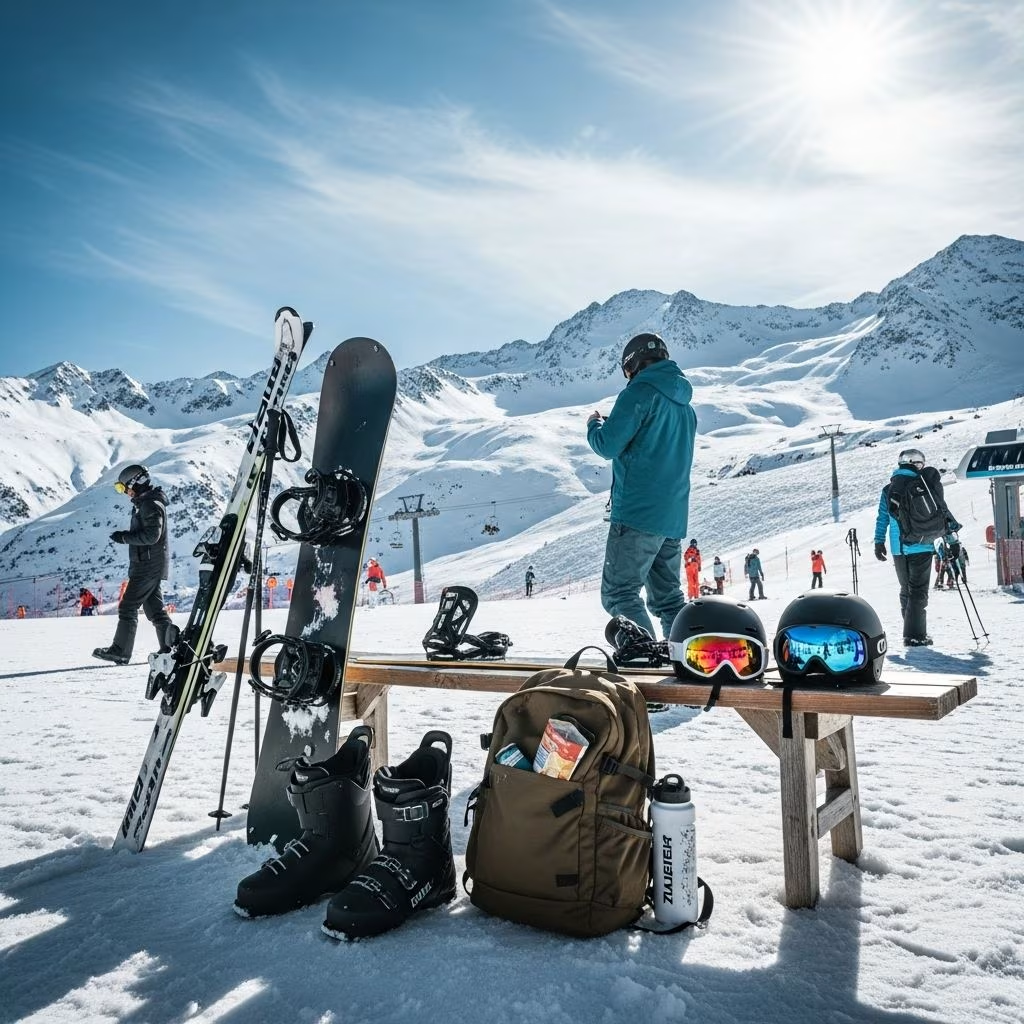
Clear vision and personal safety systems are non-negotiable components of your mountain preparation. Ski goggles are essential equipment that protect your eyes from wind, UV rays, and snow while enhancing visibility in various light conditions. Different lens colors work better in different conditions—darker lenses for bright sunny days and lighter or photochromic lenses that adjust to light changes throughout the day.
A properly fitted helmet protects your head from injury during falls or collisions. Modern ski helmets are lightweight and comfortable, and many skiers find that well-designed helmets actually keep heads warmer than hats alone because they cover a larger area. Most areas now require helmets for children, and many resorts recommend them for all skiers and snowboarders.
Sunglasses serve as backup eye protection for times when you’re not skiing or as a supplement to goggles during bright conditions. Sunscreen and lip balm are often overlooked but crucial—the sun reflecting off white snow intensifies UV exposure, and cold air combined with wind causes rapid moisture loss from exposed skin.
Your ski vacation includes time away from the slopes. Comfortable, warm clothing for evenings and downtime is just as important as your on-mountain gear. Pack a winter jacket suitable for casual wear around town or resort areas. This doesn’t need to be your ski jacket—a regular winter coat works perfectly fine for walking around the lodge or exploring the village.
Include several warm sweaters or fleece options for layering during off-mountain activities. Long pants, jeans, and comfortable trousers provide versatile options for various occasions. Warm pajamas and slippers ensure comfortable evenings in your accommodation. If your resort has a hot tub or spa area, pack a swimsuit. Many skiers find that soaking in hot water after an active day on the mountain is the perfect way to relax sore muscles.
Comfortable loungewear deserves special attention. High-quality sweatshirts, sweatpants, or specialized loungewear pieces create a cozy, relaxing atmosphere in the evenings. These items also serve as excellent layering pieces during travel days.
Cold mountain air combined with wind and intense sun exposure creates a harsh environment for your skin. Bring a comprehensive collection of personal care items specifically selected for these challenging conditions. High-quality face moisturizer is essential—the dry mountain air and wind strip moisture from your skin rapidly. Apply moisturizer liberally each evening and consider keeping some in your jacket pocket for midday application.
Lip balm with SPF protection prevents painful chapped lips that commonly occur from cold, wind, and sun exposure. Many skiers keep multiple lip balms in different jacket pockets for easy access throughout the day. Face wash designed for sensitive skin helps manage the irritation caused by cold air and repeated application of sunscreen. Sunscreen protects your face and any exposed skin from intense UV exposure reflected by snow. Reapply throughout the day, especially after eating or wiping your face with a glove.
Consider packing a hydrating face mask for evening skin care rituals. These masks help restore moisture to stressed skin after exposure to harsh mountain conditions. A dopp kit organized with essential toiletries keeps everything accessible—toothbrush, toothpaste, shampoo, conditioner, and basic medications you might need.
Efficient packing maximizes luggage space while keeping items organized and accessible. Packing cubes group similar items together and compress clothing to save space. Designate specific cubes for base layers, mid-layers, off-mountain clothes, and accessories. This organization system makes it easy to locate items during your trip without unpacking your entire suitcase.
A dedicated gear bag keeps your ski-specific items organized separately from regular luggage. This might be a large tote bag or specialized ski gear bag that holds your goggles, gloves, and other accessories in one place. A boot dryer, whether a dedicated device or improvised solution, helps dry and freshen your ski boots overnight, extending their lifespan and improving comfort.
Consider luggage tags for easy identification of your bags. Bright, durable tags make your luggage stand out on the carousel and help ensure your equipment follows you through the airport. If you plan to check ski equipment, some resorts offer storage options, allowing you to pack lighter clothing and purchase or rent certain items locally.
Whether you’re bringing your own ski equipment or planning to rent depends on your experience level and how frequently you ski. Renters should arrive early enough to allow plenty of time for proper fitting of boots and equipment. If you’re bringing your own equipment, ensure skis or snowboard are serviced before your trip—dull edges and poorly maintained bases negatively impact performance and safety.
Hand and toe warmers provide invaluable comfort on particularly cold days. These small chemical packs generate heat when activated and fit easily in pockets or specialized warmers designed to integrate into boots. Many skiers pack several extras for particularly frigid conditions. Some premium ski boots feature heated elements, which represent a significant investment but deliver exceptional warmth for those who ski frequently in cold climates.
A properly fitted helmet ranks as the single most important safety item, while quality waterproof outer layers are essential for comfort and protection. Without both, your entire experience suffers significantly.
Regular winter clothes lack the specialized features of ski gear—waterproofing, articulated seams, and ventilation systems. While possible in a pinch, dedicated ski clothing dramatically improves comfort and performance.
Three to four sets of base layers allow for daily rotation and a backup if some become damp. With laundry facilities available, two sets might suffice. Without laundry access, more sets prevent wearing damp or dirty layers.
Renting is perfectly reasonable, especially for beginners or infrequent skiers. It saves money on storage and maintenance. Owning equipment makes sense if you ski multiple times per season.
Mittens provide superior warmth by keeping fingers together, while gloves offer better dexterity for tasks requiring individual finger movement. Many skiers prefer mittens for warmth but pack gloves for activities requiring better hand control.
Begin your packing preparation at least one week before your departure. Review the weather forecast for your destination to understand expected temperatures and snow conditions. Check that all equipment functions properly—test zippers on jackets and boots, ensure goggles are in good condition, and verify that any heated equipment works as expected.
Two days before departure, gather all items in one central location. Organize them by category—ski-specific clothing, off-mountain clothes, personal care items, and equipment. This organization makes final packing easier and ensures you don’t forget essential items. Create a written checklist and mark off items as you pack them. Many skiers photograph their packed items for easy reference during their trip.
Successfully preparing for a ski vacation combines practical knowledge with attention to detail. Understanding the layering system, packing appropriate equipment, and organizing your luggage thoughtfully creates the foundation for an enjoyable mountain experience. The time invested in proper preparation translates directly into comfort, safety, and the ability to focus on enjoying the slopes rather than struggling with inadequate gear or clothing. Whether you’re a seasoned skier or visiting the mountains for the first time, thoughtful packing ensures your adventure exceeds expectations.
