


 Food & Culture
Food & Culture
Slovak Cuisine Guide: Traditional Dishes, Drinks and Food Culture
Discover Slovakia's distinctive culinary traditions, from national dishes like bryndzové halušky to regional soups, artisanal cheeses, and traditional beverages that reflect the country's rich cultural heritage.
 Food & Culture
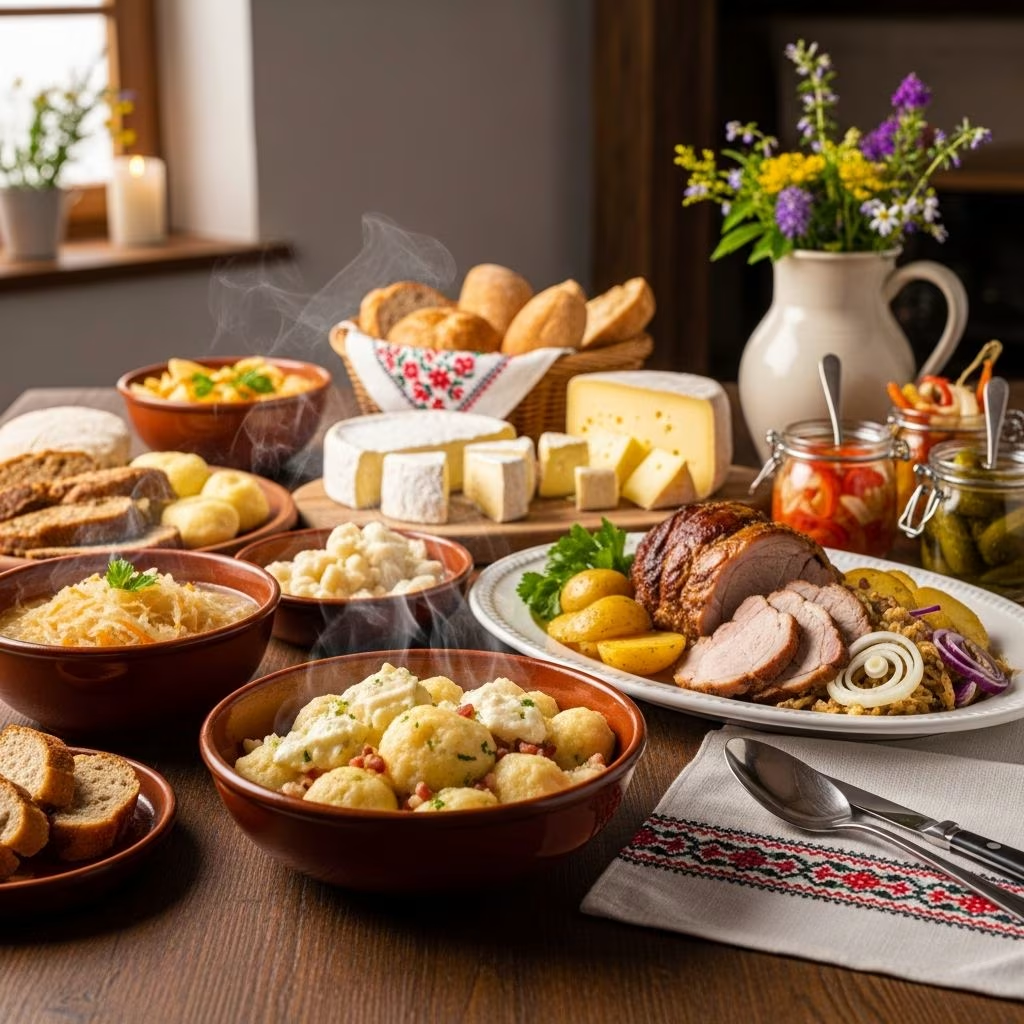
Slovakia’s gastronomic landscape tells a story of geographical diversity, agricultural heritage, and cultural continuity spanning centuries. The nation’s cuisine reflects its position at the crossroads of Central European influences, yet maintains a distinctly Slovak identity rooted in local ingredients and time-honored preparation methods. Understanding Slovak food means appreciating how terrain, climate, and historical development have shaped what appears on tables across the country.
The Foundation of Slovak Gastronomy
Slovak culinary traditions emerged from the fundamental ingredients available in different regions. The agricultural output of each area directly influenced what families prepared and consumed. Potatoes, wheat, cabbage, and sheep milk products form the backbone of traditional Slovak cooking, with pork meat, sauerkraut, and aromatics like onion and garlic providing depth and flavor. This ingredient-driven approach meant that communities relied heavily on what they could grow, raise, or preserve rather than importing goods from distant sources.
The preparation methods evolved within family kitchens across generations. Wheat was transformed into bread, dumplings, and noodles, while potatoes were primarily boiled or converted into dough for various dishes. Milk underwent extensive processing to create butter, cream, sour cream, and numerous cheese varieties that became integral to Slovak cuisine. This farm-to-table philosophy wasn’t a modern trend but rather an economic and practical necessity that created extraordinary culinary depth.
Geography played a decisive role in shaping regional variations. Microregional cuisine developed as natural isolation in valleys and mountain areas meant recipes remained localized, with menus adapting to what particular environments could sustain. The Danube region supported wheat, tomatoes, and peppers, while higher elevations like the Tatras limited agricultural diversity to heartier vegetables and preserved meats. This geographical differentiation created the culinary diversity Slovakia maintains today.
Signature Dishes That Define Slovak Identity
Bryndzové halušky holds the distinction of being Slovakia’s national dish, representing the pinnacle of Slovak culinary identity. This comforting preparation consists of halušky—boiled lumps of potato dough that resemble gnocchi in appearance—combined with bryndza, the distinctive soft and salty sheep milk cheese similar in texture to ricotta. Crispy bits of fried smoked bacon scattered across the top provide textural contrast and savory richness.
The importance of bryndzové halušky extends beyond its status as a beloved comfort food. Bryndza cheese itself holds protected geographical indication status within the European Union, acknowledging its cultural and agricultural significance. This protection recognizes that authentic bryndza can only be produced using specific methods in designated regions. When properly made from unpasteurized sheep’s milk, May bryndza—the first batch produced each year—is particularly prized among Slovak food enthusiasts. Summer cheese production, when sheep graze on diverse herbs, creates variations in milk composition and develops exceptional flavor profiles.
A traditional accompaniment to bryndzové halušky is žinčica, a distinctive beverage made from sheep milk whey with characteristics similar to kefir. Historically served in wooden mugs, this drink represents the practical use of byproducts in traditional cheesemaking and pairs beautifully with the richness of the national dish.
The Soup Course: Warming Preparations
Slovak soup culture occupies a central place in the nation’s culinary identity, with preparations extending beyond simple broths to become nearly complete meals. Kapustnica, a cabbage soup made from sauerkraut cooked with chopped pork, smoked sausage pieces, mushrooms, and diced potatoes, represents perhaps the most iconic Slovak soup. This dish holds particular cultural significance as a traditional component of Christmas dinners throughout the country. Regional variations maintain the essential character while allowing for family and community preferences—some versions emphasize smokiness while others lean toward spiciness, though all versions deliver warmth and substance.
Cesnačka, or garlic soup, takes a different approach by building flavor around aromatic intensity. This thin broth-based soup combines garlic, sliced potatoes, and spices, typically served with fried bread cubes and grated cheese. Often prepared as a vegetarian dish, cesnačka has earned a reputation as a popular home remedy for colds, hangovers, and general malaise. The emphasis on garlic makes this preparation both medicinal and deeply satisfying.
Potato-Based Specialties
Potatoes appear in numerous Slovak preparations beyond the halušky context. Zemiakové placky—potato pancakes fried in oil—represent a versatile preparation made from grated potato chunks combined with eggs, flour, and seasonings including salt, pepper, garlic, and marjoram. These pancakes can be served independently, alongside soups, or as a side dish with main courses.
Another potato-centric preparation is lokše, pancakes made from potato dough that are baked directly on stovetops rather than fried. These appear both as everyday dishes and as components of more elaborate preparations like husacie hody, the regional late autumn festive menu featuring roasted goose meat, goose liver, stewed red cabbage, and sour cherry and poppy seed strudel.
Cheese Culture and Artisanal Production
Cheese occupies such a central position in Slovak food culture that automated cheese vending machines can be found in busy locations around Bratislava, allowing residents to purchase their preferred sheep milk cheese varieties. This reflects both convenience and the normalization of cheese consumption as a daily staple.
Beyond bryndza, Slovakia produces other distinctive cheese varieties. Oštiepok and Parenica represent additional Protected Geographical Indication cheeses created using traditional methods. These artisanal productions maintain quality standards that distinguish Slovak cheeses from mass-produced alternatives. The true expression of Slovak cheese tradition, however, is found in markets and from small producers rather than in commercial restaurants. Historical markets like the Old Market in central Bratislava continue to serve as venues where traditional cheesemakers showcase seasonal productions.
Sweet Traditions and Dessert Preparations
Slovak desserts reflect both practical use of available ingredients and influences from neighboring Central European culinary traditions. Strudel appears in apple and curd cheese varieties, representing a beloved preparation technique. Palacinky—crêpes filled with chocolate, fruit, jam, and typically topped with cream—offer a more indulgent option.
Lievance resembles Scotch or American pancakes and are traditionally served with hot fruit compotes. An unusual Slovak specialty involves sweet noodles, or rezance, made with poppy seeds and butter, curd cheese, and sugar. This preparation demonstrates how even simple carbohydrates could be transformed into dessert using basic ingredients.
Another distinctive preparation is kalkyš, a sweet Lenten food with porridge-like consistency made with liquid from sprouted wheat or rye. Originally from Požitaví in southern Slovakia, this specialty maintains such cultural importance that an annual festival celebrates its production with competitive preparation competitions.
The Sweet and Savory Divide: Trdelník
Trdelník represents a crossover between sweet and savory street food traditions. This spit cake variant of the Hungarian kürtőskalács consists of sweet dough wrapped around a stick, roasted over charcoal, and topped with sugar and walnut mixture. Production tradition in the town of Skalica led to the development of the Skalický trdelník, which earned protected geographical indication status within the European Union, recognizing the refinement of the original recipe into its current form.
Beverage Culture: Non-Alcoholic Options
Slovakia maintains distinctive soft drink preferences that differ from global beverage standards. Kofola, an aniseedy cola substitute, represents the national soft drink choice and maintains cultural significance beyond its taste profile. Vinea, produced from red or white grapes, offers another distinctive Slovak beverage option.
These local beverages reflect both practical history—when international brands were unavailable—and cultural preference for flavors and preparations that resonate with local palates. The continued popularity of these drinks despite global competition demonstrates the strength of established taste preferences.
Alcoholic Beverages and Social Drinking
Beer holds significant cultural importance in Slovak social life. Zlatý Bažant, translating to Golden Pheasant, represents the nation’s best-known bottled beer brand. Pubs, known locally as krčma or pivnica depending on their character, exist in virtually every Slovak town, serving as social gathering places and venues for affordable lunchtime deals typically available from 11:30 am to 1:30 pm.
Wine bars, or vináreň, typically maintain later closing hours than traditional pubs and often serve dual functions as nightclub venues. This extends the social drinking culture into evening hours and creates spaces for more sophisticated beverage appreciation.
Tatratea, a tea and herbs liqueur based on recipes developed by people living in the High Tatras mountains, carries both historical and contemporary significance. What began as a custom of offering guests hot tea enriched with herbal liqueur to protect against mountain cold evolved into a commercial product introduced in 2003 that became one of Slovakia’s most popular beverages.
Dining Customs and Hospitality Practices
Understanding Slovak food culture extends beyond individual dishes to include dining customs and restaurant practices. Outside major urban centers, restaurants typically close by 9 or 10 pm, reflecting both operational practices and community schedules. This timing influences when people consume their main meals and how evening social activities incorporate food and drink.
The structure of meals follows Central European patterns, with lunchtime representing the primary dining occasion in many Slovak communities. The availability of affordable set menus during midday hours encourages workers and visitors to enjoy substantial meals during breaks from employment or activities.
Street Food and Quick Meals
Párok, a hot frankfurter-style sausage, serves as a classic mid-morning snack throughout Slovakia. This convenient, portable option reflects urban and rural eating patterns where quick sustenance is required between meals.
The presence of cheese vending machines in busy urban areas demonstrates how traditional products have adapted to modern convenience expectations while maintaining artisanal production standards.
Experiencing Slovak Cuisine Today
Contemporary Slovak dining encompasses both traditional preparations and modern interpretations. Bratislava’s restaurant scene includes establishments dedicated to preserving classical recipes alongside innovative street food concepts offering contemporary perspectives on traditional ingredients and techniques.
The true expression of Slovak culinary heritage, however, remains in market stalls operated by small producers, seasonal availability of regional specialties, and family kitchens where recipes pass from generation to generation. This living culinary tradition continues evolving while maintaining fundamental connections to the land, ingredients, and cultural values that generated Slovakia’s distinctive food culture centuries ago.
Regional Variations Worth Exploring
Slovakia’s microregional cuisine diversity means that food experiences vary significantly depending on location. The Danube region’s agricultural abundance supports different preparations than the Tatras’ more limited ingredient palette. Exploring multiple regions within Slovakia reveals how the same national identity manifests through different regional expressions, each reflecting local geography, history, and available resources.
References
- Eating and drinking in Slovakia — Rough Guides. Accessed 2026. https://www.roughguides.com/slovakia/eating-drinking/
- Eat and drink like a Slovak — BraVa Tours. Accessed 2026. https://www.bravatours.com/en/post/eat-and-drink-like-a-slovak
- Taste of Slovakia: A guide to food, drink, and culinary inspiration — Czech Bites. Accessed 2026. https://www.czechbites.com/articles/taste-of-slovakia-a-guide-to-food-drink-and-culinary-inspiration
- Slovak Food: Top 41 Dishes — TasteAtlas. Accessed 2026. https://www.tasteatlas.com/best-rated-dishes-in-slovakia
On This Page
The Foundation of Slovak Gastronomy Signature Dishes That Define Slovak Identity The Soup Course: Warming Preparations Potato-Based Specialties Cheese Culture and Artisanal Production Sweet Traditions and Dessert Preparations The Sweet and Savory Divide: Trdelník Beverage Culture: Non-Alcoholic Options Alcoholic Beverages and Social Drinking Dining Customs and Hospitality Practices Street Food and Quick Meals Experiencing Slovak Cuisine Today Regional Variations Worth Exploring← Previous
Patagonia Wildlife Guide: Pumas, Whales, Penguins & More
Next →
15 Quiet U.S. Destinations for a Crowd-Free Travel Escape
Related Reading
More in Food & Culture
Food & Culture Food & Culture
 Food & Culture
Best Places to Eat in Rome: Neighborhood Dining Guide
 Food & Culture
 Food & Culture