

 Travel Essentials
 Travel Essentials

Discover vital tips for exploring Slovenia's diverse landscapes, from alpine peaks to Adriatic shores, including booking advice, cultural norms, and sustainable travel practices.
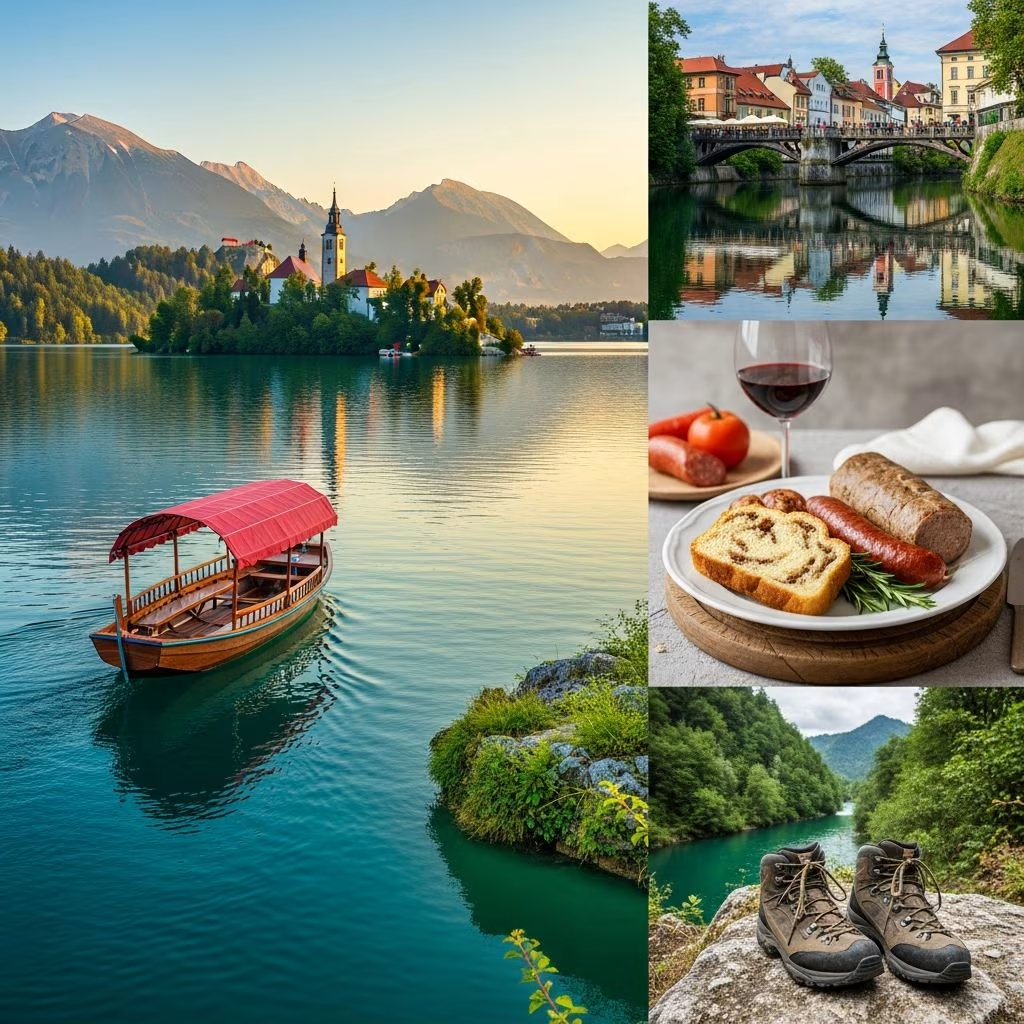 Travel Essentials
Slovenia, a gem nestled in Central Europe, offers an extraordinary blend of natural wonders, rich history, and modern sustainability. Bordered by Italy, Austria, Hungary, and Croatia, this compact nation spans just over 20,000 square kilometers and is home to about 2.1 million people, making it roughly the size of New Jersey. Despite its small footprint, Slovenia boasts alpine mountains, crystal-clear lakes, karst caves, vineyards, and a short but stunning Adriatic coastline. Whether you’re hiking in Triglav National Park, sipping wine in Goriška Brda, or wandering Ljubljana’s charming streets, preparation is key to maximizing your visit.
Slovenia’s rising popularity means advance planning is crucial, especially during peak summer months from July to August when Lake Bled, Bohinj, and coastal towns like Piran fill up quickly. Ljubljana remains busy year-round, so secure accommodations immediately upon deciding your dates. Popular spots like boutique hotels near the capital’s riverfront or lakeside resorts often book out months ahead. Use official tourism sites or trusted platforms to compare options, prioritizing those with sustainable certifications aligned with Slovenia’s green ethos.
For dining, reserve tables at acclaimed restaurants showcasing local cuisine—think wild game, fresh seafood, and foraged ingredients. High-end spots in Ljubljana or Brda wine country require calls or online bookings, as walk-ins are rare during busy periods. Pro tip: Opt for agritourism farms offering home-cooked meals paired with regional wines for an authentic, less crowded experience.
Don’t underestimate Slovenia’s geographic variety; a single trip can encompass beaches, mountains, and caves. Many visitors limit themselves to Ljubljana and Lake Bled, missing out on the Soča Valley’s emerald river, Postojna Cave’s underground marvels, and the Karst region’s dramatic landscapes. Allocate at least 10-14 days to cover highlights without rushing: spend 3-4 days in the capital, 2-3 in the Julian Alps, time on the coast, and detours to wine areas.
| Region | Key Attractions | Ideal Stay Duration | Best Transport |
|---|---|---|---|
| Central Slovenia | Ljubljana, Velika Planina | 3-4 days | Bus/train |
| Julian Alps | Lake Bled, Bohinj, Triglav NP, Soča Valley | 4-5 days | Rental car |
| Coast & Karst | Piran, Postojna Cave, Lipica Stud Farm | 2-3 days | Car or tour |
| Wine Regions | Goriška Brda, Maribor, Posavje | 2 days | Bike/wine tour |
A rental car provides flexibility for remote spots, but public buses and trains connect major hubs efficiently. Driving across the country takes about 3.5 hours, ideal for road trips over Vršič Pass.
Slovenia’s infrastructure supports seamless travel. Ljubljana’s Jože Pučnik Airport handles international flights, with easy bus links to the city center (25 minutes). Trains from Vienna, Venice, or Zagreb are scenic and affordable. Within the country, Nomago buses cover rural routes reliably.
Slovenia’s roads are excellent, but mountain passes like Vršič require caution in winter. Fuel up often in remote areas, and embrace car-sharing for eco-conscious groups.
Over 60% forested and a global leader in sustainability, Slovenia earned ‘Green Destination of the World’ status, with Ljubljana as 2016 European Green Capital. Expect solar-powered stations, widespread EV chargers, and zero-waste initiatives. Tap water is pristine—drink freely from fountains and lakeside sources. Support by choosing glamping over mass hotels, hiking responsibly (stick to paths), and dining at farm-to-table spots.
Beekeeping is cultural heritage; 1 in 200 Slovenians keeps hives, producing unique honeys—buy local to aid pollinators.
Slovenia’s food scene fuses Alpine, Mediterranean, and Pannonian influences. Must-tries: štruklji (dumplings), potica (nut roll), and freshwater fish from Bohinj. Coastal areas shine with olive oil and seafood.
Wine is a highlight: home to the world’s oldest vine (over 400 years) in Maribor. Three regions dominate:
Winery visits demand pre-booking; join guided tours in Brda or Metlika for tastings with makers.
Slovenians are welcoming, with English widely spoken alongside Slovene. Greet with ‘Dober dan’ (hello); tipping is modest (5-10% if service isn’t included). Dress smart-casual; nudity is accepted at lakeside beaches.
Cash (euros) useful for markets, cards dominant elsewhere. Public holidays like June’s Statehood Day mean closures—plan around them. Safety is high; U.S. State Department rates it low-risk, but carry passport for Schengen checks (valid 3+ months post-departure).
Spring (April-June) blooms vibrantly; summer perfect for lakes/coast but crowded; autumn (Sept-Oct) ideal for wine harvests; winter suits skiing in Kranjska Gora.
Layer for variable weather: waterproof jacket, sturdy hiking boots, swimwear, sun protection. Include reusable water bottle, power bank for trails, and EU plug adapter.
Affordable compared to neighbors; daily budget €80-150/person covers mid-range stays, meals, transport.
Schengen Area: U.S./EU citizens up to 90 days visa-free; check passport validity.
June-September; cables assist steep sections.
Yes, exceptionally pure nationwide.
Bus (1 hour, €10) or GoOpti shuttle.
Venture to Kočevje Forests for virgin woods, Kamnik’s medieval charm, or Smartno’s hilltop views in Brda. These off-radar spots offer tranquility amid Slovenia’s overtouristed icons.
