

 Travel Essentials
 Travel Essentials

Learn practical packing methods to optimize luggage space, reduce overpacking habits, and travel smarter with expert-approved strategies and essential travel gear recommendations.
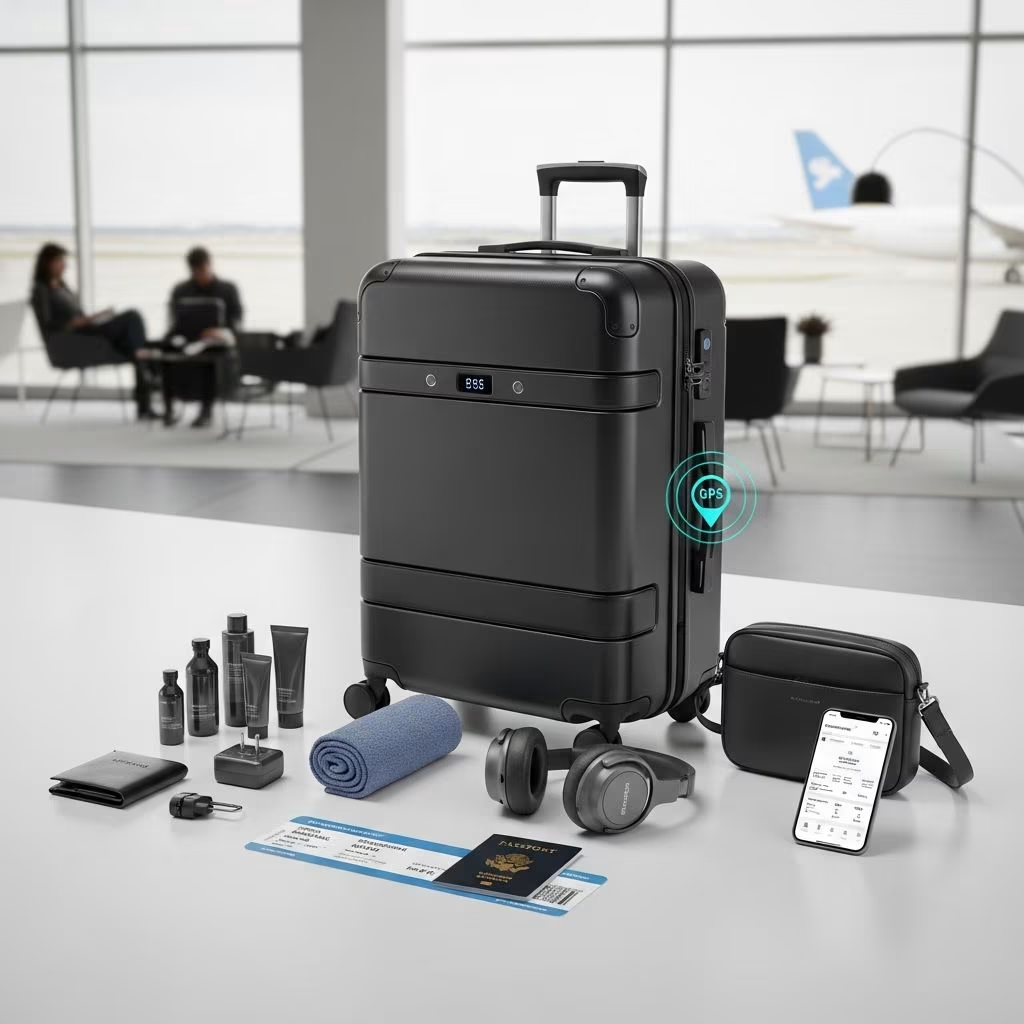 Travel Essentials
Overpacking remains one of the most common travel mistakes, leading to heavier bags, higher airline fees, and unnecessary stress at the airport. Whether you’re preparing for a weekend getaway or an extended international journey, the ability to pack strategically can transform your travel experience. This comprehensive guide explores proven methodologies and essential gear that help travelers maximize their luggage capacity while minimizing the temptation to overpack.
Many travelers struggle with packing decisions because they attempt to prepare for every possible scenario. This “just in case” mentality often results in carrying items that never get used. The key to breaking this cycle involves planning your activities before packing. Rather than making assumptions about what you might need, document your itinerary day by day, noting specific activities and weather conditions. This intentional approach allows you to visualize your actual needs rather than packing hypothetical alternatives.
Creating a written itinerary serves as a visual reference while packing. By mapping out each day’s activities, you gain clarity on the types of clothing and accessories genuinely required. This method reduces decision fatigue and eliminates the impulse to pack multiple options for situations you won’t encounter.
Successful carry-on packing begins with establishing a cohesive color palette and applying mathematical principles to clothing selection. The three-to-one ratio provides an excellent framework: for every bottom you pack, include three compatible tops. This approach ensures multiple outfit combinations without requiring excessive quantities of individual pieces.
Color coordination dramatically impacts packing efficiency. By limiting your palette to two primary colors—such as black and navy blue—you reduce the number of shoes and accessories required. A black blazer, for instance, pairs with numerous outfits and works across casual and professional settings. Neutral base colors extend your outfit possibilities while maintaining visual cohesion throughout your trip.
Prioritize versatile pieces that transition between different contexts. A relaxed blazer can elevate casual attire for dinner while remaining appropriate for daytime activities. Multipurpose footwear, such as block heels or minimalist sneakers, reduces the need for dedicated shoes for specific occasions. Select clothing in wrinkle-resistant fabrics when possible to maintain a polished appearance without additional luggage dedicated to pressing equipment.
Modern packing cubes represent a significant advancement in luggage organization, offering benefits beyond simple space compression. High-quality packing cubes maintain structural integrity, allowing travelers to view their entire wardrobe at a glance without excavating through layers of clothing.
The vertical folding method revolutionizes how clothes fit within these organizational tools. Rather than stacking garments horizontally, fold each item and arrange them vertically, similar to books standing on a shelf. This technique accomplishes two objectives simultaneously: it maximizes visible space and eliminates the need to disturb an entire stack when retrieving a single item. Travelers using this method report reclaiming significant luggage volume while maintaining organization.
Compression technology integrated into certain carry-on bags addresses the souvenir dilemma elegantly. Expandable luggage features allow you to pack initially with compression enabled, then expand when returning home to accommodate purchases made during your travels. This design eliminates the need to purchase additional luggage or resort to checked baggage solely for return-trip items.
Experienced travelers recognize that shoes represent wasted space when packed empty. Socks, undergarments, accessories, and small electronics fit perfectly within shoe interiors, effectively doubling the utility of each pair you transport. This technique proves particularly valuable for long trips where multiple shoe styles might otherwise seem necessary.
Rolling clothing instead of folding preserves additional space while offering distinct advantages. Rolled garments consume less volume than folded alternatives and facilitate easier access to specific items without disturbing surrounding clothing. However, rolling works best for lighter, thinner fabrics. Heavier or delicate items maintain their condition better through traditional folding, creating an opportunity to mix methodologies based on garment type rather than applying a single technique universally.
Every compartment within your luggage serves a purpose. Side pockets accommodate electronics and chargers, keeping them accessible and protected. Bottom compartments naturally suit toiletries and damp items, preventing liquid exposure to clothing. Front pockets work well for documents, tickets, and items you’ll need immediate access to upon arrival.
Beyond clothing and toiletries, specific accessories dramatically improve packing efficiency. Travel adapters occupy minimal space while proving essential for international trips, eliminating the need to locate replacements abroad. A pre-assembled toiletries bag containing TSA-approved items creates permanent readiness, transforming your carry-on into a grab-and-go solution for frequent travelers.
A compact tote organizer insert transforms loose bags into structured storage solutions, preventing the “black hole” phenomenon where items disappear into inaccessible depths. These lightweight organizers restore order within larger tote bags, making contents immediately visible and accessible.
Foldable backpacks represent remarkable value for minimal luggage investment. These lightweight accessories pack into tiny pouches, occupying almost no luggage space while providing significant utility for day trips, market visits, or unexpected needs. The ability to offload items from your main carry-on into a dedicated daypack distributes weight and protects primary luggage from additional strain.
Packing fewer items becomes feasible when you embrace in-trip clothing maintenance. Hand-washing undergarments and lightweight items during your stay extends your effective wardrobe without requiring additional luggage space. Separating clean and worn clothing within your packing cubes allows you to keep items distinct without creating multiple storage systems.
For extended stays, transferring packing cubes directly into hotel drawers transforms your organizational system into functional storage without unpacking individual items. This approach maintains organization while providing ready access to clothing throughout your stay, eliminating the traditional unpacking and repacking cycle.
TSA regulations restrict liquid quantities to 3.4 ounces per container, creating space advantages for those who travel light with toiletries. Rather than packing full-size bottles, invest in travel-size containers or decant products into small, refillable bottles. Many skincare and haircare products concentrate sufficiently to travel in minimal quantities, meaning you’ll likely finish products before needing to replace them.
Creating a permanent toiletries bag addresses the consistent challenge of forgetting essential items across multiple trips. By maintaining a dedicated collection within your carry-on, you eliminate repetitive packing decisions and ensure consistent readiness for spontaneous travel.
Electronics require dedicated organization within your carry-on to prevent tangling and ensure accessibility. A specialized electronics organizer or compartmentalized bag keeps chargers, cables, and devices in distinct sections, making it simple to locate specific items without excavating through your entire luggage. Consider a universal travel adapter that consolidates multiple plug configurations, replacing several individual adapters with a single multifunctional tool.
Strategic packing order significantly impacts accessibility and luggage integrity. Begin with heavier items and electronics in lower compartments, positioning lighter clothing and toiletries above. This arrangement prevents crushing delicate items while keeping frequently accessed materials within easy reach.
Place items you’ll need immediately upon arrival—passport, medications, first-aid supplies, and comfort items—in the most accessible locations. Designate an anti-theft compartment for valuable documents and financial items, providing both security and peace of mind throughout your journey.
Shoes consume disproportionate luggage space relative to their weight and frequency of use. Select footwear that transitions across multiple contexts: versatile block heels work for professional settings and casual exploration, while minimalist sneakers serve athletic and daily activities. Limiting yourself to two primary shoe options dramatically reduces luggage requirements while maintaining outfit versatility.
When packing shoes, position them around your luggage perimeter where they protect other items while maximizing interior space usage. Fill shoe interiors with socks and accessories, transforming potential waste space into functional storage.
Document your specific itinerary before packing, identifying actual activities and weather conditions. This concrete planning eliminates hypothetical scenarios and focuses your packing decisions on genuine needs rather than vague possibilities.
The three-to-one ratio—three tops for every bottom—creates sufficient outfit combinations while maintaining realistic luggage requirements. This mathematical approach replaces guesswork with proven proportions.
High-quality packing cubes maintain structural integrity through repeated use, facilitating organization and accessibility throughout your trip. They represent a worthwhile investment for frequent travelers, transforming your carry-on experience across numerous journeys.
Yes, wearing your bulkiest items—outerwear, boots, or heavy sweaters—during airport transit and flights conserves significant luggage space while ensuring comfort during travel. This strategy works particularly well for longer journeys where comfort outweighs style considerations.
Hand-wash delicate items and undergarments in your hotel room, allowing them to dry overnight. This practice extends your effective wardrobe while reducing luggage requirements, particularly for trips exceeding one week.
