

 Travel Essentials
 Travel Essentials

Explore Sofia's ancient ruins, grand cathedrals, lively boulevards, and natural escapes in this comprehensive guide to the Bulgarian capital's top attractions and practical tips.
 Travel Essentials
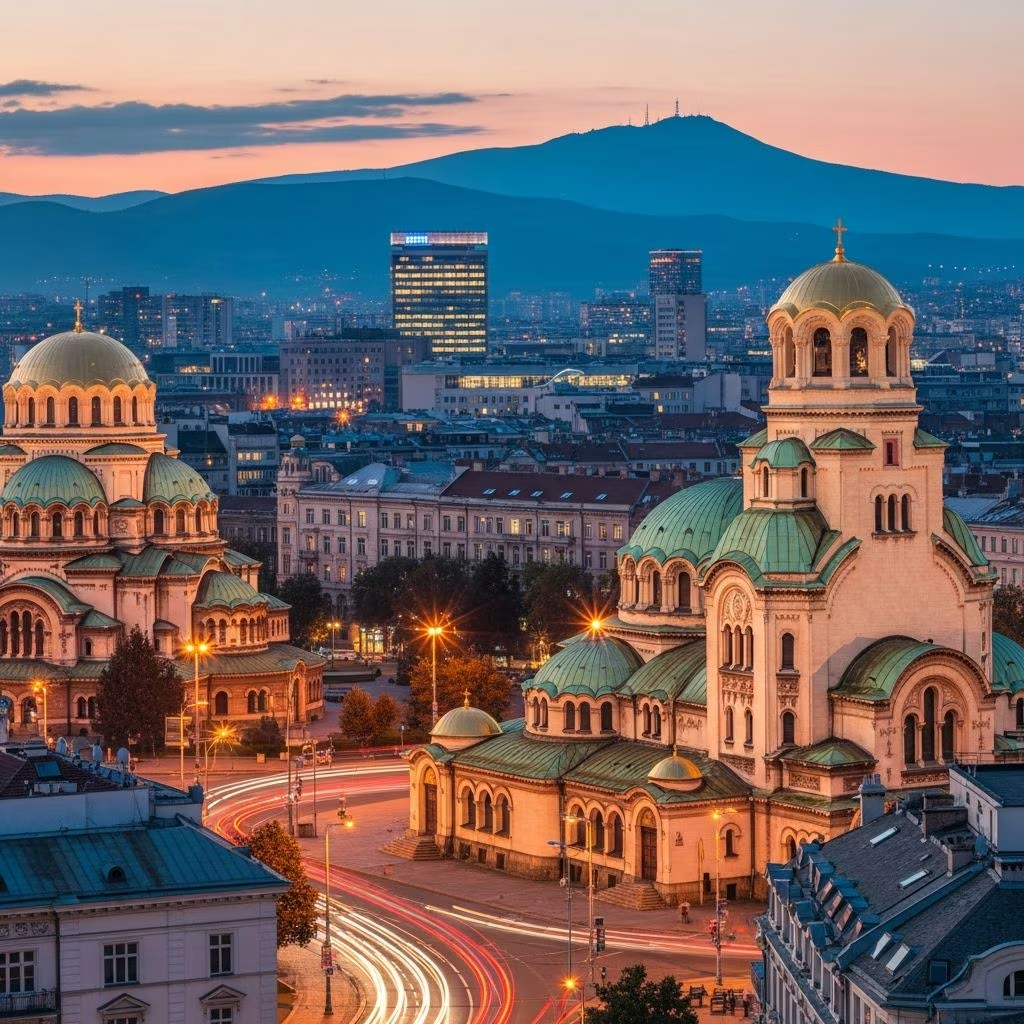
Sofia, the bustling heart of Bulgaria, seamlessly merges layers of history from Roman times through Ottoman rule, communist eras, and into a thriving modern scene. Nestled at the foot of Mount Vitosha, this affordable European gem offers grand architecture, ancient excavations, lively pedestrian streets, and easy access to nature, making it an ideal base for cultural explorers and adventure seekers alike.
Sofia’s story begins over 2,000 years ago as the Roman city of Serdica, a key trade and military hub. Today, remnants of this era peek through the urban fabric, inviting visitors to step back in time amid contemporary life.
The Serdica Archaeological Complex stands as a prime example, with ruins of streets, basilicas, thermal baths, and even an amphitheater visible right in the city center. Accessible via the Serdica metro station, these well-preserved structures showcase intricate mosaics and foundations that highlight the prosperity of ancient elites. Nearby, the complex connects to major landmarks, allowing seamless transitions between eras.
Beyond Roman roots, Sofia’s Orthodox heritage shines through medieval and later structures, reflecting Bulgaria’s deep religious traditions.
No trip to Sofia is complete without marveling at its stunning religious and cultural edifices, which dominate the skyline and draw millions annually.
The Alexander Nevsky Cathedral dominates as one of the largest Eastern Orthodox churches globally, capable of seating 5,000 worshippers. Built in the late 19th century to honor Russian soldiers who aided Bulgaria’s independence from Ottoman rule, its Neo-Byzantine design features gilded domes, Italian marble interiors, and vibrant frescoes. The crypt houses Europe’s most extensive collection of Orthodox icons in a dedicated museum.
| Landmark | Built | Highlights |
|---|---|---|
| Alexander Nevsky Cathedral | 1882-1912 | Neo-Byzantine style, icon museum, holds 5,000 people |
| St. George Rotunda | 4th century CE | Oldest church in Sofia, ancient frescoes |
| St. Petka Temple | Medieval | Hidden under a mall, Ottoman-era preservation |
Other gems include the 4th-century St. George Rotunda, Sofia’s oldest church with preserved frescoes, and the medieval St. Petka of the Saddlemakers, tucked beneath a shopping center. For communist history, the preserved Red Flat offers an intimate look at mid-20th-century daily life, while themed tours in vintage Trabant cars provide engaging narratives on Bulgaria’s Soviet past.
Sofia’s streets buzz with energy, blending shopping, greenery, and performance arts.
Vitosha Boulevard, the city’s main pedestrian artery, stretches from central squares to the mountain base, lined with boutiques, cafes, and eateries serving Bulgarian banitsa pastries alongside international fare. It’s perfect for people-watching and casual strolls.
Adjoining City Garden surrounds the neoclassical Ivan Vazov National Theatre, Bulgaria’s premier stage for operas and plays. This green oasis hosts summer concerts, fountains, and sculptures, where locals gather for relaxation.
The Lions’ Bridge, an 1891 icon spanning the Vladaya River, features four bronze lion statues symbolizing national strength. Connecting key boulevards, it’s a photogenic spot steeped in resilience symbolism.
Parks like the National Palace of Culture area offer modern art, ponds, and events, providing tranquil escapes amid urban hustle.
Sofia’s location enables effortless nature forays. Mount Vitosha looms nearby, with hiking trails leading to the Boyana Waterfall, a scenic 5-hour round trip passing UNESCO-listed Boyana Church with medieval frescoes. Free walking tours from the city center make it accessible.
Sofia excels in fresh, affordable eats rooted in local produce. The Women’s Market brims with seasonal fruits like juicy tomatoes, handmade cheeses, spices, and meats—ideal for picnics or authentic tastes.
Expect hearty dishes: shopska salad, yogurt-based soups, and grilled meats. Organic stores dot the city, emphasizing Bulgaria’s dairy pride. Cafes along Vitosha serve strong coffee and pastries.
Affordable and walkable, Sofia suits budget travelers. Use efficient metro (Serdica station for ruins), trams, or buses. Taxis and rideshares are cheap; walking tours reveal hidden stories, including communist-focused ones.
Visit in spring (April-June) or fall (September-October) for mild weather and fewer crowds. Summers host festivals; winters bring snow sports on Vitosha.
Yes, Sofia is generally safe with low crime rates; stick to well-lit areas at night and use reputable transport.
3-5 days cover highlights, plus day trips; extend for hikes or nearby Plovdiv.
Bulgarian Lev (BGN); very budget-friendly—meals under €10, hostels €20/night.
Join a guided Trabant tour or visit preserved sites like the Red Flat.
Yes, trails are marked, but tours add context and transport.
This capital captivates with its affordability, diversity—from ancient stones to snowy peaks—and welcoming vibe. Whether chasing history, flavors, or fresh air, Sofia delivers memorable journeys.
