

 Travel Essentials
 Travel Essentials

Comprehensive guidance for women traveling to Egypt, covering safety strategies, cultural etiquette, accommodation options, transportation, and authentic experiences.
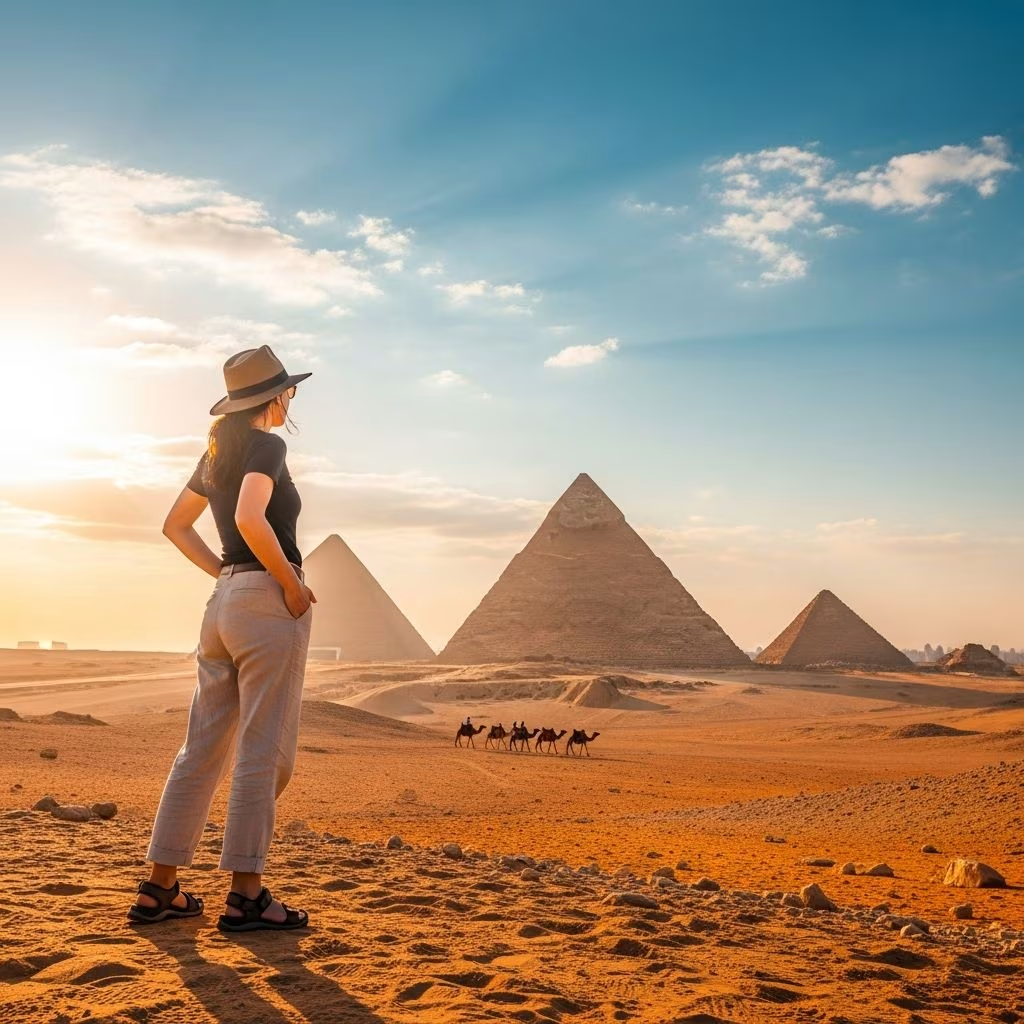 Travel Essentials
Egypt presents a captivating destination for women travelers, offering extraordinary cultural experiences, ancient wonders, and vibrant communities. However, the journey requires thoughtful preparation and an understanding of local dynamics. This comprehensive guide equips female visitors with practical strategies to travel confidently while respecting local customs and maximizing their Egyptian adventure.
Traveling as a woman in Egypt differs significantly from many other destinations. The country operates within a conservative cultural framework deeply rooted in Islamic traditions and established social norms. While Egypt welcomes international visitors and has become increasingly accustomed to female travelers, certain challenges persist that warrant acknowledgment and preparation.
The key to a successful Egyptian experience lies in informed decision-making. Many women have transformed their time in Egypt into deeply meaningful journeys of personal growth and discovery. The difference between challenging and rewarding experiences often hinges on advance planning, realistic expectations, and cultural sensitivity.
One of the most significant decisions involves determining whether to travel independently or join organized tours. Egypt’s infrastructure presents unique navigation challenges for solo explorers, particularly those unfamiliar with Arabic language and local customs.
Independent travel offers complete autonomy but requires significant logistical planning. Ancient sites often lack clear directional signage, and public transportation systems can be complex and crowded. Without local knowledge or language proficiency, navigating independently demands patience and flexibility.
Guided group tours provide substantial advantages for first-time visitors. Professional guides offer historical context, cultural interpretation, and practical logistics management. Several organizations specifically cater to female travelers and solo travelers, including specialized tour companies that design itineraries with women’s needs in mind. These tours balance independent exploration with structured group activities, reducing logistical stress while maintaining autonomy.
Consider the following options:
Clothing decisions in Egypt require balancing personal comfort with cultural consideration and practical realities. The dress code varies substantially depending on location type and specific context.
General guidelines for city exploration and rural areas: Cover shoulders, knees, and chest in public spaces. This reflects respect for local Islamic traditions without requiring extreme coverage. Loose-fitting, lightweight clothing in natural fabrics proves essential for managing Egypt’s intense heat while maintaining modesty.
Practical wardrobe suggestions:
Special context for beach and resort areas: Tourist destinations along the Mediterranean coast and Red Sea beaches operate with more relaxed standards. Conventional beach attire including shorts and sundresses is appropriate at established resorts and designated swimming areas. However, transitioning quickly to modest clothing when leaving resort compounds demonstrates cultural respect.
Mandatory coverage for religious sites: Mosques require specific attire regardless of personal preference. Visitors must cover shoulders, knees, ankles, and wrists. Hair should be covered with a headscarf. Many mosques provide loaner scarves and wraps for visitors without personal coverings.
Understanding safety realities allows for informed decision-making rather than fear-based avoidance. Verbal harassment, including whistling and persistent comments, occurs in public spaces but represents manageable challenges through behavioral strategies.
Practical safety approaches:
Technology-based safety tools: Download offline navigation applications to reduce reliance on mobile networks. Utilize ride-hailing applications that provide location tracking, allowing you to share your journey details with trusted contacts. Consider obtaining a reliable virtual private network for enhanced digital security.
Geographic awareness: Certain regions warrant absolute avoidance regardless of travel experience level. Northern Sinai, for instance, experiences ongoing security concerns that make travel inadvisable. Consult current travel advisories from official government sources before finalizing your itinerary.
Navigating Egypt’s diverse transportation options requires understanding relative safety, comfort, and reliability across different methods.
Ride-hailing applications: Services including Uber, Careem, and InDrive revolutionize urban transportation by eliminating haggling, providing transparent pricing, and offering location-sharing capabilities. These services operate reliably in major cities including Cairo, Luxor, and Alexandria. Always request cars through the application rather than hailing taxis from the street, and sit in the rear passenger seat.
Public transportation: Cairo’s metro system includes women-only carriages designed to provide secure travel during peak hours. These cars tend to be less crowded than mixed-gender options and offer a more comfortable experience. During off-peak hours, attempting to sit adjacent to other women provides additional comfort. Avoid rush-hour travel when microbuses and other public transport become extremely crowded.
Intercity travel: Trains connecting Cairo, Luxor, and Aswan offer comfortable, air-conditioned travel with distinct advantage over long-distance buses. Domestic flights on established carriers provide rapid connections between major destinations while eliminating ground transportation stress. Long-distance buses represent the most economical option but sacrifice comfort significantly.
Choosing appropriate lodging sets the foundation for a secure, enjoyable experience. Location and establishment type significantly influence your sense of security and daily comfort.
Recommended accommodation types:
Areas to avoid: Accommodation in remote suburban areas or isolated neighborhoods, regardless of apparent pricing benefits, introduces unnecessary security complexity. Properties located on poorly-lit streets or in deserted areas create vulnerability that cost savings cannot justify.
Community resources: Join online communities connecting solo female travelers who provide current recommendations, verified accommodation reviews, and real-time safety updates. Platforms specifically designed for female travelers offer peer-reviewed suggestions and community support throughout your journey.
Demonstrating respect for Egyptian culture enhances your interactions with local communities and enriches your travel experience substantially.
Dining customs: Eat with your right hand when sharing meals with locals, as the left hand carries cultural significance. Meals frequently occur later than typical Western dining schedules. During Ramadan, avoid eating, drinking, or smoking publicly before sunset out of respect for fasting individuals.
Social interactions: Maintain professional boundaries in initial interactions. Direct eye contact and open conversation are welcomed, but inappropriate touching or physical contact violates personal boundaries. Respect when locals establish physical or social distance.
Photography protocols: Never photograph military installations, government buildings, or security infrastructure. Always ask permission before photographing individuals, particularly in rural areas and religious contexts. Certain archaeological sites restrict photography in specific locations.
Beyond ancient monuments, Egypt offers profound opportunities for cultural immersion and personal connection.
Culinary experiences: Participate in cooking classes with local families who share traditional Egyptian recipes, techniques, and stories. These intimate settings foster genuine cultural exchange and create lasting memories beyond typical tourist interactions.
Desert and natural landscapes: Experience desert environments through activities including yoga sessions under star-filled skies, camel trekking across sand dunes, and guided walks through desert monasteries. These experiences provide perspective and connection to Egypt’s natural beauty.
Market exploration: Navigate bustling souks and traditional markets where vendors sell spices, textiles, handicrafts, and local goods. The sensory richness and human energy of these spaces capture authentic Egyptian commerce and daily life.
River experiences: Cruise the Nile between Luxor and Aswan, watching daily life unfold along the riverbanks while exploring temples and historical sites. This journey provides context for understanding Egypt’s geography and cultural continuity.
Water activities: The Red Sea offers exceptional coral reef diving and snorkeling, providing recreational enjoyment and natural wonder distinct from historical tourism.
Awareness of recurring situations enables effective navigation and prevention strategies.
Common scams: Unofficial individuals claiming to be guides often charge excessive fees for minimal services. Always verify guide credentials through your accommodation or official tourism channels. Unofficial taxis quote inflated prices to unsuspecting travelers; use registered transportation only. Aggressive demands for baksheesh (tips) for basic information represent harassment; politely decline unreasonable requests.
Avoidance strategies: Book excursions through established operators or your accommodation provider rather than accepting offers from street vendors. Maintain awareness of your surroundings and trust your instincts regarding uncomfortable situations. Document official names, contact information, and establishment details before engaging services.
Advance preparation and accessible resources substantially improve safety and experience quality.
Pre-departure downloads: Obtain offline navigation applications for areas with unreliable cellular service. Download ride-hailing applications and verify they operate in your destination cities. Research cultural information and historical context about sites you plan visiting.
Important contacts: Save tourist police numbers (126 in Egypt), your embassy contact information, travel insurance details, and emergency contacts. Share this information with trusted people at home.
Community platforms: Join online groups specifically supporting solo female travelers where current travelers share experiences, recommendations, and real-time advice. These communities provide peer support and validated information from travelers with recent Egypt experience.
Egypt can be a safe destination for women traveling independently with proper preparation and awareness. Tourist areas including Cairo, Luxor, Aswan, and Hurghada maintain stable environments. Success depends on informed decision-making, situational awareness, and cultural sensitivity.
Confident posture, direct eye contact, and purposeful movement discourage harassment effectively. Avoid engaging with harassers or responding to provocations. If harassment escalates beyond verbal comments, move to populated areas or seek assistance from authorities.
No. Modest Western-style clothing that covers shoulders, knees, and chest demonstrates respect without requiring traditional garments. Comfortable, breathable fabrics suit Egypt’s climate while meeting cultural expectations.
First-time visitors benefit substantially from professional guides who provide historical interpretation and logistical management. Solo travelers specifically should consider guided tours designed for independent-minded individuals who want group security with personal autonomy.
Ride-hailing applications provide transparent pricing, accountability, and location-sharing capabilities superior to traditional taxis. These services represent the most secure urban transportation option in major Egyptian cities.
