

 Travel Essentials
 Travel Essentials

Discover how to embrace solo travel with practical safety strategies, dining solutions, social connection tips, and activities that transform solitary journeys into transformative adventures.
 Travel Essentials
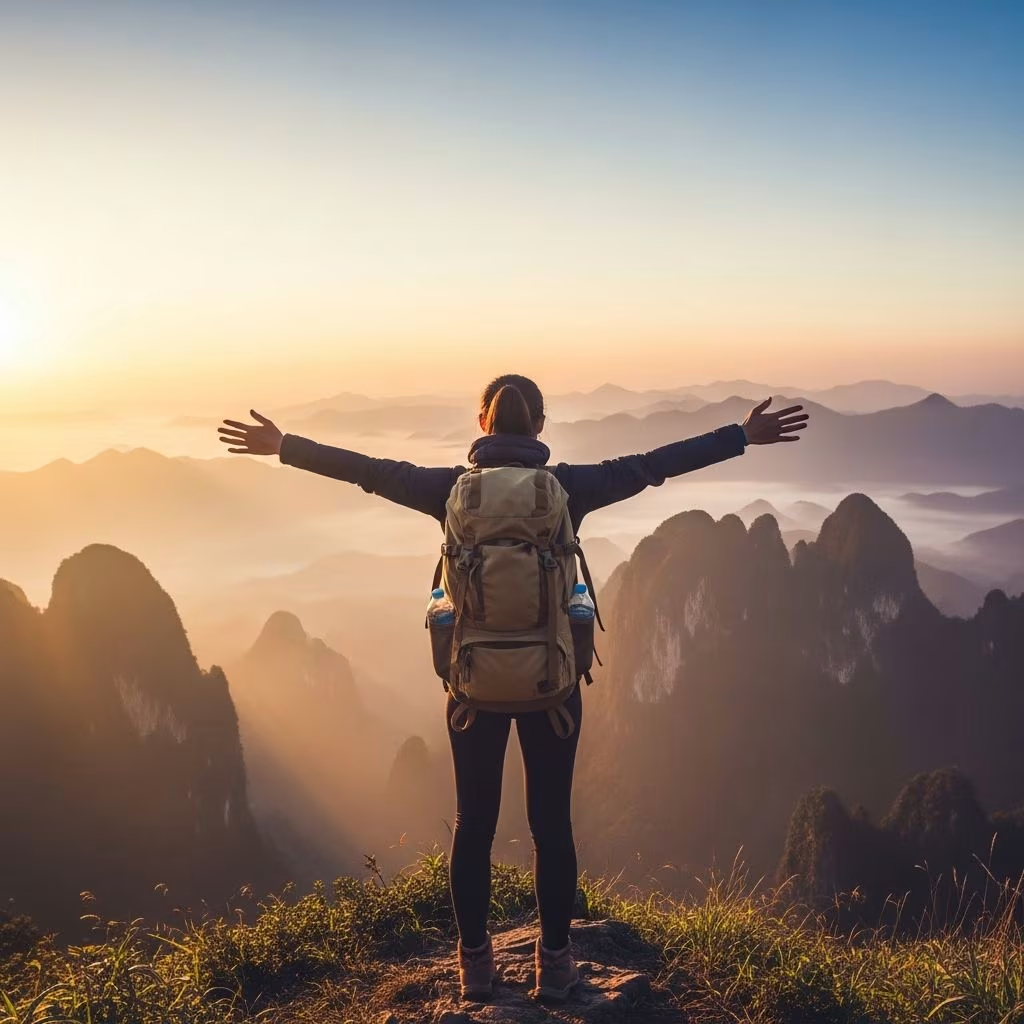
Traveling alone represents one of the most liberating decisions a person can make. The ability to wake up and pursue exactly what interests you, without compromise or negotiation, offers a level of autonomy that few life experiences can match. Whether you’re seeking cultural immersion, adventure, or personal reflection, solo travel provides the canvas for self-discovery. However, embarking on a solitary journey requires thoughtful preparation, practical strategies, and a mindset shift toward embracing independence while maintaining awareness. This comprehensive guide will equip you with the knowledge and confidence to navigate solo travel successfully.
The foundation of successful solo travel begins with your internal framework. Rather than viewing solitude as something to endure, reframe it as an opportunity for deeper engagement with your surroundings and yourself. Solo travelers often report that their most meaningful experiences emerged from moments of genuine solitude—whether discovering a neighborhood café that becomes part of their daily ritual, spending hours in a museum without time pressure, or simply sitting with their thoughts in a beautiful location.
The psychological shift from treating solo travel as a compromise to celebrating it as a preference transforms your entire experience. When you stop viewing solo travel as “traveling without company” and start seeing it as “traveling on your terms,” you unlock possibilities that group travel often restricts. This mentality allows you to linger as long as you wish at sites that captivate you, change plans spontaneously based on local recommendations, and spend time alone without feeling obligated to entertain or compromise with travel companions.
Safety considerations form the backbone of responsible solo travel. The goal isn’t to create fear, but to establish systems that allow you to explore confidently while remaining aware of your surroundings.
Not all destinations equally serve solo travelers. Consider these factors when selecting where to travel:
Walkable cities with reliable public transportation significantly enhance solo travel ease and safety. European destinations exemplify this model, featuring extensive metro systems, well-marked neighborhoods, and established tourism infrastructure designed to accommodate independent visitors. Cities like Barcelona, Prague, and Amsterdam provide excellent starting points for first-time solo travelers because navigation proves intuitive and English proficiency is widespread.
Destinations with strong tourism development typically offer abundant resources specifically designed for solo travelers—from walking tours to hostel networks to solo-friendly dining establishments. Established tourist destinations also mean that locals are accustomed to and welcoming toward independent visitors.
Consider starting with destinations known for their safety profiles and infrastructure before progressing to more challenging environments. This graduated approach builds confidence and travel skills progressively.
Your living situation dramatically influences your solo travel experience. Rather than automatically selecting the budget option, evaluate accommodation choices based on your needs and travel style.
| Accommodation Type | Best For | Key Advantages |
|---|---|---|
| Private Hotel Room (Double) | Comfort-prioritizing travelers | Better value than single rooms; privacy; access to hotel amenities |
| Hostel with Private Room | Budget-conscious travelers seeking community | Social opportunities; staff local knowledge; flexibility |
| Apartment Rentals | Extended stays; cooking-focused travelers | Kitchen facilities; neighborhood integration; cost efficiency |
| Boutique Hotels | Experience-focused travelers | Curated atmospheres; personalized service; local connections |
Counterintuitively, booking a double room often provides better value than single accommodations while delivering enhanced comfort. This upgrade compensates for the physical and emotional demands of solo travel, providing genuine relaxation space. The improved sleep quality and comfortable environment often justify the modest additional expense.
Food becomes particularly significant during solo travel—it’s both practical necessity and cultural gateway. However, dining alone presents unique psychological challenges that benefit from strategic approaches.
Restaurant Selection Strategy: Choose establishments with bar seating rather than formal table configurations. Bar dining eliminates the awkwardness of occupying a table designed for multiple people while creating natural interaction opportunities with bartenders and other patrons. This arrangement feels purposeful rather than lonely, and conversations often emerge organically.
Alternative Dining Approaches: Embrace takeout and picnic meals as legitimate dining experiences rather than inferior compromises. Purchasing ingredients from local markets and eating in parks or scenic locations often produces richer cultural engagement and greater enjoyment than formal restaurant settings. This approach also builds practical knowledge of local food culture and neighborhood character.
Café Culture: Establish a regular café within your destination to create continuity and community. Returning to the same location transforms you from tourist to quasi-local in the eyes of staff and regular patrons. You’ll receive personalized recommendations, discover new menu items, and develop genuine connections with people in your temporary community.
Solo travel doesn’t require complete solitude. The distinction lies in choosing social experiences intentionally rather than defaulting to constant companionship.
Unstructured time can shift from refreshing to lonely without intention. Develop daily rhythms that maintain engagement without rigid scheduling.
Morning Routines: Establish morning practices that activate your day purposefully. Whether walking to a café, visiting a museum opening, or hiking to a sunrise viewpoint, morning activities create momentum and intention.
Physical Activity: Regular movement—walking, hiking, swimming, or exercise classes—maintains energy levels while naturally facilitating chance encounters and environmental exploration. Physical activity also improves sleep quality and emotional wellbeing.
Evening Unwinding: Balance activity with genuine rest. Audiobooks, journaling, or café sitting create contemplative space without producing the isolation that comes from spending evenings in hotel rooms.
Traveling light becomes essential when managing logistics independently. You’re responsible for carrying everything, managing check-ins alone, and navigating public transportation without assistance.
Is solo travel safe for first-time travelers?
Yes, when executed thoughtfully. First-time solo travelers should begin with destinations featuring excellent public transportation, walkable neighborhoods, and strong tourism infrastructure. Planning accommodation and transportation in advance, traveling light, securing valuables carefully, and trusting your instincts create a foundation for safe solo travel. European cities are particularly welcoming to first-time solo travelers given their safety profiles and accessibility.
How can I overcome loneliness during solo travel?
Reframe your mindset toward embracing solitude rather than viewing it as loneliness. Establish daily routines that create structure, maintain physical activity, connect with other travelers through tours and activities, and practice self-compassion when you experience difficult emotions. Remember that solo travel doesn’t require constant social interaction—it means choosing connection intentionally.
What should I do if I encounter problems while traveling alone?
Maintain documentation of embassy contact information, your hotel address, and trusted contacts’ international numbers. Many problems resolve through communication with your accommodation staff, who understand local resources and protocols. Don’t hesitate to reach out to your support network at home, and remember that most situations feel manageable when addressed directly.
How much money should I budget for solo travel?
Budget varies significantly based on destination, accommodation standards, and travel style. Solo travel often costs less than group travel when you’re flexible and accept local food and transportation. Research your specific destination’s costs, add 20% for unexpected expenses, and prioritize safety and comfort over extreme budget constraints.
Solo travel fundamentally differs from group travel not through deprivation but through liberation. The freedom to pursue your genuine interests without compromise, to spend hours in a museum or sitting by water without explaining yourself, to change plans based on local recommendations, and to exist on your timeline creates opportunities for profound self-discovery.
Your solo journey becomes a canvas reflecting your authentic preferences, pace, and personality. This personalization transforms travel from fulfilling someone else’s bucket list to creating experiences that genuinely resonate with who you are.
