

 Travel Essentials
 Travel Essentials

Comprehensive guide for solo travelers to Japan: itineraries, safety tips, transport hacks, budget advice, and top spots from Tokyo to Kyoto.
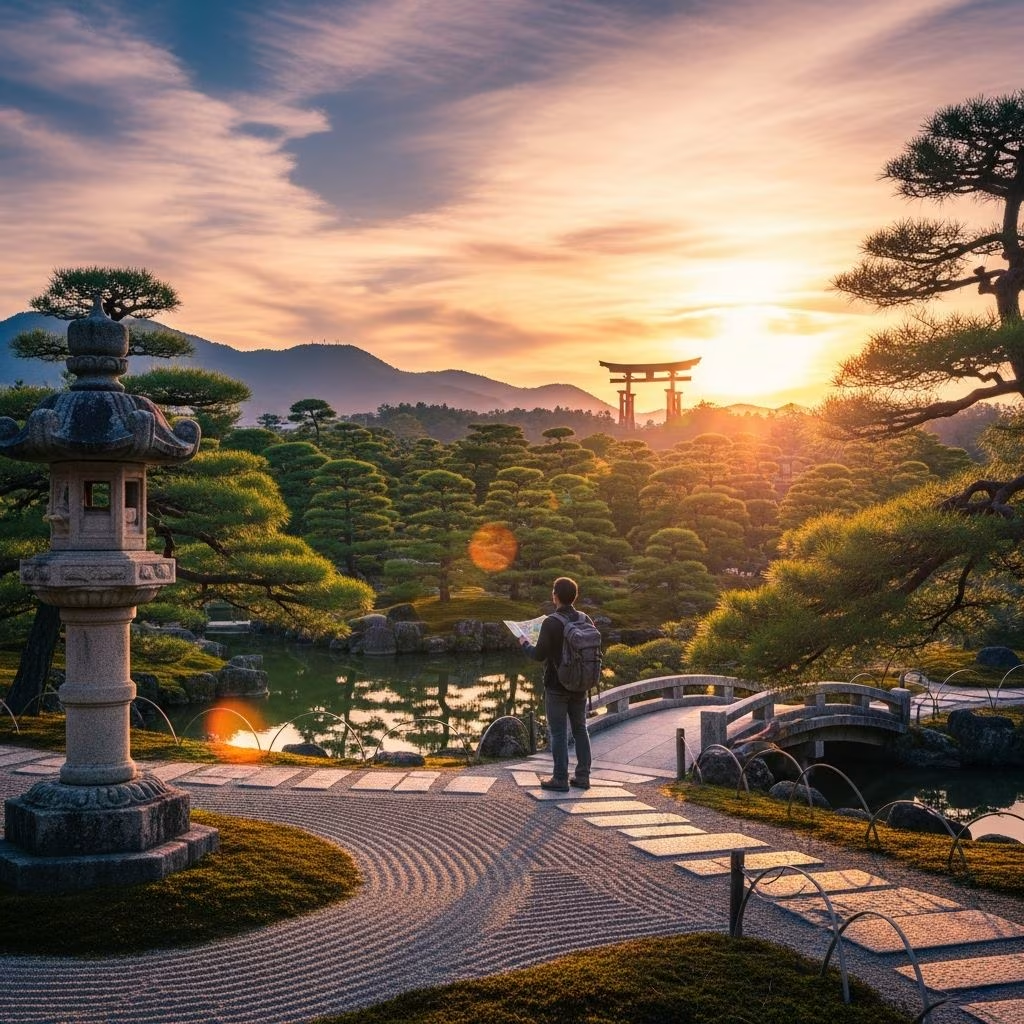 Travel Essentials
Japan stands out as one of the world’s safest and most welcoming destinations for independent explorers. With efficient public transport, low crime rates, and a culture that values personal space, solo travelers can immerse themselves in neon-lit cities, ancient shrines, and natural wonders without worry.
The archipelago’s infrastructure supports lone adventurers perfectly. High-speed shinkansen trains connect distant regions seamlessly, while urban subways and buses make navigation straightforward. Locals often assist foreigners, and English signage is common in tourist hubs. Younger Japanese increasingly embrace solo activities, fostering an environment where dining alone or visiting attractions unaccompanied feels natural.
Safety metrics reinforce this appeal: Japan consistently ranks among the top safest countries globally, with minimal risks for solo visitors, including women, who report feeling secure even late at night in major cities.
Start with a Japan Rail (JR) Pass for unlimited travel on most shinkansen and JR lines. Purchase the voucher online beforehand and exchange it at major stations upon arrival—ideal if covering multiple cities, as it pays off after just one intercity trip. For city hops, opt for 7, 14, or 21-day options based on your timeline.
Download apps like Google Translate for offline use, Hyperdia or Jorudan for train schedules, and Google Maps for real-time navigation. Pocket Wi-Fi or an eSIM ensures constant connectivity, crucial for booking spots and translating menus.
Focus on accessible hubs that blend urban energy with peaceful retreats.
Begin here for endless options. Wander Shibuya’s famous crossing, explore Asakusa’s Senso-ji Temple—the city’s oldest—or stroll Harajuku’s quirky Takeshita Street for street fashion and crepes. Yoyogi Park and Shinjuku Gyoen offer serene picnics amid cherry blossoms in spring. Cat cafes provide quirky downtime, costing around ¥1,000 for an hour of feline therapy.
Kichijoji neighborhood hides gems like Inokashira Park, less crowded than central spots, perfect for solo reflection.
Transition to this cultural heart for contemplative solo visits. Fushimi Inari’s torii gates are magical at dawn or dusk, with minimal crowds. Arashiyama’s bamboo grove and nearby monkey park atop Mount Arashi deliver nature escapes—watch for playful macaques but secure your snacks. Gion district yields geisha sightings at sunrise, and matcha tastings enhance the zen vibe.
From Tokyo, Kamakura’s bamboo temples and beaches offer beachside calm—just beware crows eyeing your onigiri. Hakone provides Mount Fuji views and onsen soaks. Near Kyoto, Nara’s deer park lets you feed friendly animals amid ancient sites.
Tailor your journey to time available. All leverage JR Pass efficiency.
A fast-paced intro hitting essentials.
| Day | Highlights | Transport |
|---|---|---|
| 1-3 | Tokyo: Shibuya, Asakusa, Harajuku | Subway/day pass |
| 4 | Fuji area/Hakone: Lakes, views | Shinkansen + local |
| 5-7 | Kyoto: Temples, bamboo grove | Shinkansen |
Builds depth with Hiroshima.
Includes rural gems.
Master trains for stress-free moves.
For Fuji views, request right-side seats Tokyo-to-Kyoto bound.
Solo travel keeps costs low: expect ¥10,000-15,000/day excluding accommodation.
| Category | Daily Average (¥) | Tips |
|---|---|---|
| Food | 2,000-4,000 | Konbini meals, ramen shops, ekiben trains. |
| Transport | 1,000 (with pass) | JR Pass covers most; IC cards (Suica/Pasmo) for local. |
| Stay | 5,000-10,000 | |
| Attractions | 1,000-2,000 | Many free temples; combo tickets. |
Total 7-day: ¥100,000+ incl. pass (under $700 USD).
Japan caters to singles: capsule hotels (¥3,000/night) offer pod privacy; hostels/hostel lounges foster connections; business hotels provide compact comfort (¥6,000+). Temple stays (shukubo) immerse in rituals. Book via Booking.com or Hostelworld for central spots near stations.
Counter seats at ramen joints or sushi bars suit one. Convenience stores stock quality bento for park picnics. Vending machines dispense hot meals. Try solo-friendly okonomiyaki in Osaka or takoyaki stands.
Japan’s low harassment rates empower solo females. Stick to lit areas nights; ignore drunks. No tipping; quiet on trains; remove shoes indoors. Trash scarcity means carry bags.
Hostels, tours, or volunteer guides connect you. Cat cafes, onsen, kendo classes add flair. Parks like Yoyogi buzz with people-watching.
Spring sakura, autumn foliage peak crowds/prices. Summer festivals, winter snowscapes offer alternatives. Pack layers; typhoon season (Aug-Sep) needs monitoring.
Yes, exceptionally so, with respectful culture and 24/7 safety in cities.
Essential for multi-city trips; buy pre-arrival.
7-day Tokyo-Fuji-Kyoto loop.
¥20,000-30,000 daily; ATMs at 7-Eleven.
Yes, many mixed or women-only; tattoos increasingly OK at select spots.
