

 Travel Essentials
 Travel Essentials

Comprehensive guide to solo travel in Patagonia covering logistics, safety, accommodation options, hiking routes, and practical tips for independent adventurers.
 Travel Essentials
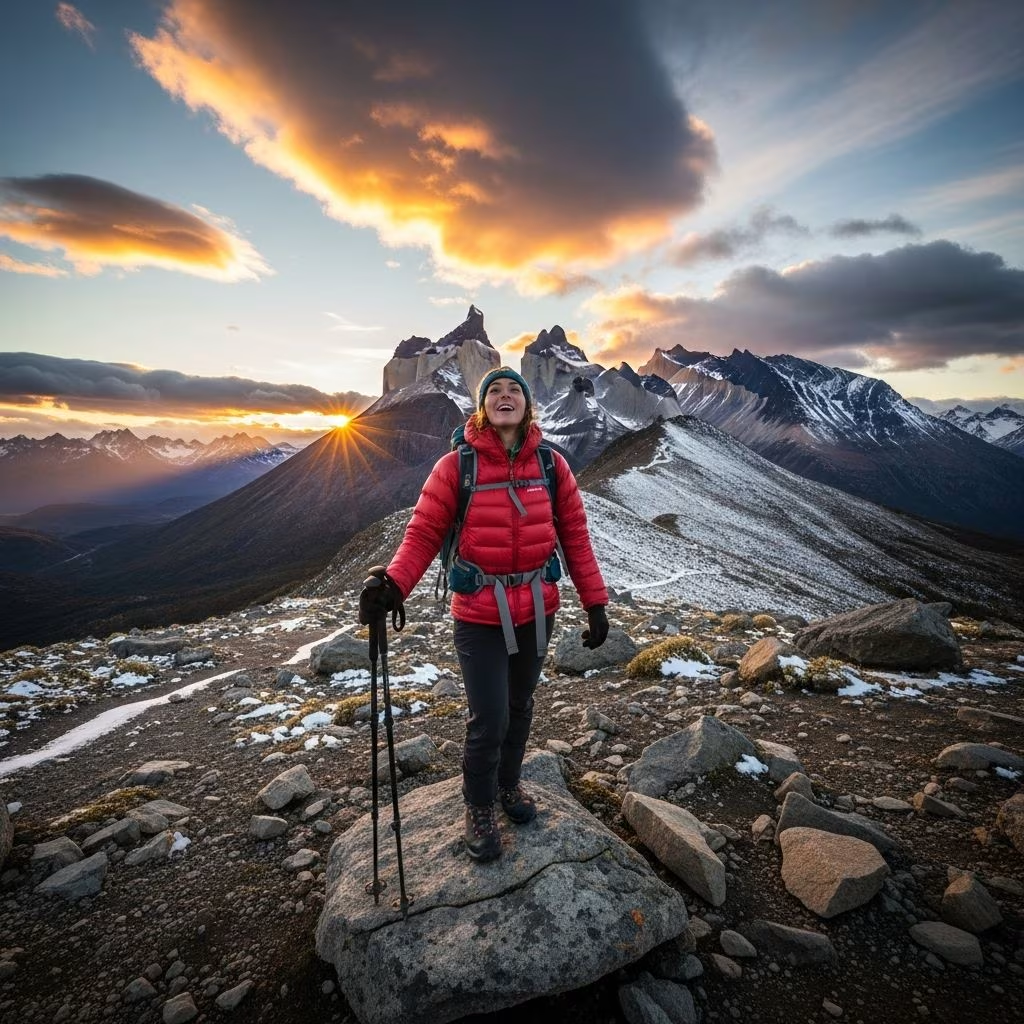
Patagonia stands as one of the world’s most compelling destinations for independent travelers seeking dramatic landscapes, outdoor challenges, and genuine solitude. This sprawling region spanning southern Argentina and Chile offers far more than isolation—it presents a unique opportunity to connect with nature while discovering a welcoming community of like-minded explorers. Whether you’re drawn to towering granite peaks, pristine glacier systems, or remote wilderness trails, Patagonia accommodates solo adventurers with remarkable thoughtfulness and flexibility.
Patagonia encompasses vast territories across two countries, each offering distinct geographical features and experiences. The region stretches from approximately 39 degrees south latitude to the southern tip of South America, encompassing mountain ranges, coastal fjords, expansive steppe environments, and dynamic glacier systems. This geographic diversity means solo travelers can design itineraries matching their interests, fitness levels, and time constraints.
The main attractions concentrate around specific areas. Torres del Paine National Park in Chile represents the crown jewel for hikers, featuring distinctive granite peaks and accessible trekking circuits. Argentine Patagonia centers on El Chaltén, a small mountain town serving as the base for numerous day hikes and multi-day treks. The Perito Moreno Glacier attracts visitors seeking dramatic ice formations without extensive physical exertion. These destinations, while geographically separate, remain accessible through developing transportation networks.
Successful solo travel through Patagonia requires thoughtful route planning. Most travelers follow a logical geographical progression that minimizes backtracking and maximizes efficient transportation use. A typical itinerary might begin in El Chaltén, allowing acclimatization in a smaller town before progressing to busier hubs. From there, travelers can descend to El Calafate to experience the Perito Moreno Glacier, then cross into Chile for the Torres del Paine experience.
This sequential approach offers practical advantages beyond simple geography. Smaller towns provide opportunities to adjust to the region’s climate, meet other solo travelers, and assess your physical readiness for more demanding treks. Larger towns offer better restaurant selections, equipment rental facilities, and tourist services. By arranging destinations strategically, you optimize transportation schedules and avoid the physical and mental fatigue associated with constant reorientation.
Understanding Patagonia’s transportation infrastructure proves essential for seamless independent travel. While the region remains remote, practical connections exist between major destinations.
Solo travelers in Patagonia encounter accommodation options suited to various budgets and social preferences. Understanding these choices helps optimize both spending and experience quality.
Hostels dominate budget accommodation across major towns, offering private rooms alongside dormitory options. These establishments function as social hubs where solo travelers naturally congregate, facilitating friendships and information exchange. Many hostels organize group activities, informal dinners, or shared excursions, reducing feelings of isolation while maintaining independence. Staff members typically possess deep knowledge about local trails, weather patterns, and transportation logistics.
Mid-range hotels and guesthouses provide private spaces with enhanced comfort. These establishments often operate on smaller scales, enabling more personalized interactions with owners who frequently offer invaluable local advice. Many cater specifically to hikers and adventurers, adjusting check-in times and providing early breakfasts before dawn departures.
Mountain refugios serve as accommodation bases within national parks. These rustic facilities range from basic shelters to comfortable lodges offering meals and shower facilities. Solo hikers appreciate refugios for their built-in community—evening meals bring together travelers from various backgrounds, creating natural social environments without organized activities.
Patagonian hiking varies dramatically in difficulty, duration, and social dynamics. Understanding these distinctions helps match your capabilities with appropriate routes.
The W Trek in Torres del Paine represents Patagonia’s most famous multi-day trek. This five-day circuit connects five valleys, each showcasing distinct geological features and panoramic vistas. Solo hikers tackle the route solo or meet others at refugios. The trek’s popularity ensures trail infrastructure, established camping areas, and natural convergence points where relationships form organically. Weather unpredictability remains the W Trek’s defining challenge—clear skies reveal stunning granite formations, while cloud cover obscures views and dampens spirits.
Day hikes around El Chaltén offer flexible alternatives requiring no specialized equipment or previous experience. Routes vary from gentle two-hour walks to strenuous eight-hour climbs. Laguna de los Tres Picos, Laguna Torre, and Mount Fitz Roy attract thousands of hikers annually, creating bustling trail communities that ease solo travel anxiety. The small town’s infrastructure—compact geography, numerous restaurants, well-maintained trails—enables sequential day hikes without committing to extended backcountry camping.
The O Circuit around Torres del Paine extends the W Trek experience into an ambitious nine-day circuit. This route demands greater self-reliance, backpacking experience, and weather tolerance. Solo hikers choosing the O Circuit typically possess previous mountaineering experience or significant hiking backgrounds. The reward involves genuine wilderness immersion with fewer daily encounters and deeper solitude.
Patagonian weather represents the region’s greatest unpredictability factor. The austral summer (December through February) offers the most favorable conditions, with longer daylight hours and milder temperatures. However, peak season brings crowded trails and higher accommodation prices. Shoulder seasons (October-November and March-April) provide compromise options—fewer crowds and moderate costs, though increased weather volatility.
Winter travel (June-August) suits only experienced mountaineers with specialized equipment. Snow coverage obscures trails, mountain passes close frequently, and daylight hours compress dramatically. Most hiking infrastructure shuts down during winter months, necessitating complete self-sufficiency.
Regardless of season, prepare for rapid weather transitions. Afternoon wind squalls, sudden temperature drops, and unexpected precipitation occur throughout the year. Professional guides universally recommend planning ambitious hikes for early morning starts, enabling retreat before afternoon deterioration. Weather monitoring services help identify optimal hiking windows within multi-week stays.
Patagonia’s remoteness and dynamic weather create legitimate safety considerations. Solo travelers can mitigate risks through informed preparation and reasonable precautions.
Solo travel costs vary dramatically based on accommodation choices, dining preferences, and activity selections. Budget travelers averaging $50-70 daily can sustain extended Patagonian stays through hostel accommodation, simple meals prepared in shared kitchens, and free hiking activities. Mid-range travelers spending $100-150 daily enjoy private rooms, restaurant meals, and occasional guide services. Luxury travelers exceed $200 daily through high-end lodges and exclusive experiences.
Practical cost reduction strategies include purchasing groceries from supermarkets for trail provisions, taking longer bus journeys instead of flights, sharing accommodation costs with fellow travelers, and focusing on free activities—most hiking remains completely free. Many hostels offer discounts for weekly stays, and some tour operators provide reduced rates for solo travelers rather than charging supplement fees.
Despite traveling alone, solo adventurers consistently report meeting numerous other independent travelers. Patagonia attracts a specific demographic—generally educated, adventurous, and genuinely interested in authentic experiences. This commonality creates natural friendship foundations. Hostels serve as primary social hubs, with communal dinners and shared trail experiences facilitating connections. Many hostels organize informal group hikes or arrange informal transportation sharing, enabling cost splitting and companionship without requiring pre-booking.
Towns like El Chaltén function as villages where travelers constantly circulate through the same restaurants, tour companies, and trail systems. This limited geography ensures repeated encounters with interesting people, transforming brief meetings into developing friendships. Solo travelers often discover they’re never truly alone despite traveling independently.
Patagonian conditions demand specific equipment regardless of season or intended activities:
Most travelers rent specialized equipment like tent systems, sleeping bags, and stoves locally rather than transporting them internationally. This approach reduces luggage weight and eliminates expensive baggage fees.
Patagonian towns offer limited but adequate dining options. Argentine and Chilean cuisines emphasize meat dishes, fresh produce, and simple preparations. Vegetarians and those with specific dietary requirements find options through careful restaurant selection and self-catering. Major towns contain supermarkets stocking international foods, enabling familiar meal preparation in hostel kitchens.
Trail provisions require strategic planning. Most hikers combine purchased groceries (pasta, rice, beans, dried fruits, nuts) with specialized backpacking meals providing calories without excessive weight. Planning meals meticulously prevents both excessive weight and inadequate nutrition during physically demanding days.
Most international travelers require valid passports but typically enter Argentina and Chile visa-free for tourism purposes. Comprehensive travel insurance covering evacuation, medical emergencies, and adventure activities provides essential protection in remote areas. Some travel insurance policies specifically exclude mountaineering or extreme altitude activities—carefully review coverage before committing to high-risk activities.
Currency considerations vary by country. Argentina primarily uses Argentine pesos while Chile uses Chilean pesos. Credit card access remains limited outside major towns, necessitating sufficient cash withdrawals before departing urban centers. ATMs in towns like El Chaltén and Puerto Natales enable strategic cash management.
Yes. Patagonia consistently receives positive safety ratings from solo female travelers. The region’s well-established tourism infrastructure, populated hiking trails, and welcoming communities create relatively secure environments. Standard travel precautions apply—avoid isolated areas after dark, trust your instincts about people and situations, and maintain awareness of surroundings.
Fitness requirements vary dramatically by chosen routes. Day hikes around El Chaltén range from gentle two-hour walks to strenuous eight-hour climbs. The W Trek demands moderate fitness and hiking experience but doesn’t require mountaineering skills. The O Circuit or Mount Fitz Roy attempts require significant fitness and experience. Honestly assess your capabilities and select appropriate routes.
Absolutely. Mountain refugios eliminate camping requirements for established routes like the W Trek. These facilities provide beds, meals, and shower facilities while eliminating equipment concerns. However, self-sufficient camping enables greater flexibility and lower costs for adventurous travelers willing to learn.
December through February offers the most favorable conditions but attracts peak crowds. October-November and March-April provide good weather with fewer tourists. Winter visiting requires mountaineering experience and specialized equipment.
Budget travelers manage on $50-70 daily while mid-range travelers spend $100-150 daily. Costs depend on accommodation choices, dining preferences, and activity selections. Longer stays typically reduce daily costs through discounted accommodation rates.
Successful solo Patagonian travel requires balancing careful planning with flexibility. Over-scheduling eliminates opportunities for spontaneous adventures and unexpected community experiences. Build cushion days into itineraries for weather delays, trail adjustments, or simply lingering in places that unexpectedly captivate you.
Research thoroughly before departure but remain open to modifying plans based on conditions and opportunities encountered. Connect with recent travelers through online forums and social media groups—their current insights prove invaluable for trail conditions, accommodation recommendations, and practical logistics. Finally, accept that some experiences won’t match expectations, but Patagonia’s raw beauty and genuine hospitality consistently exceed most travelers’ anticipations.
