

 Travel Essentials
 Travel Essentials

Your essential guide to Sonoma's wineries, outdoor activities, charming towns, and culinary experiences for every traveler.
 Travel Essentials
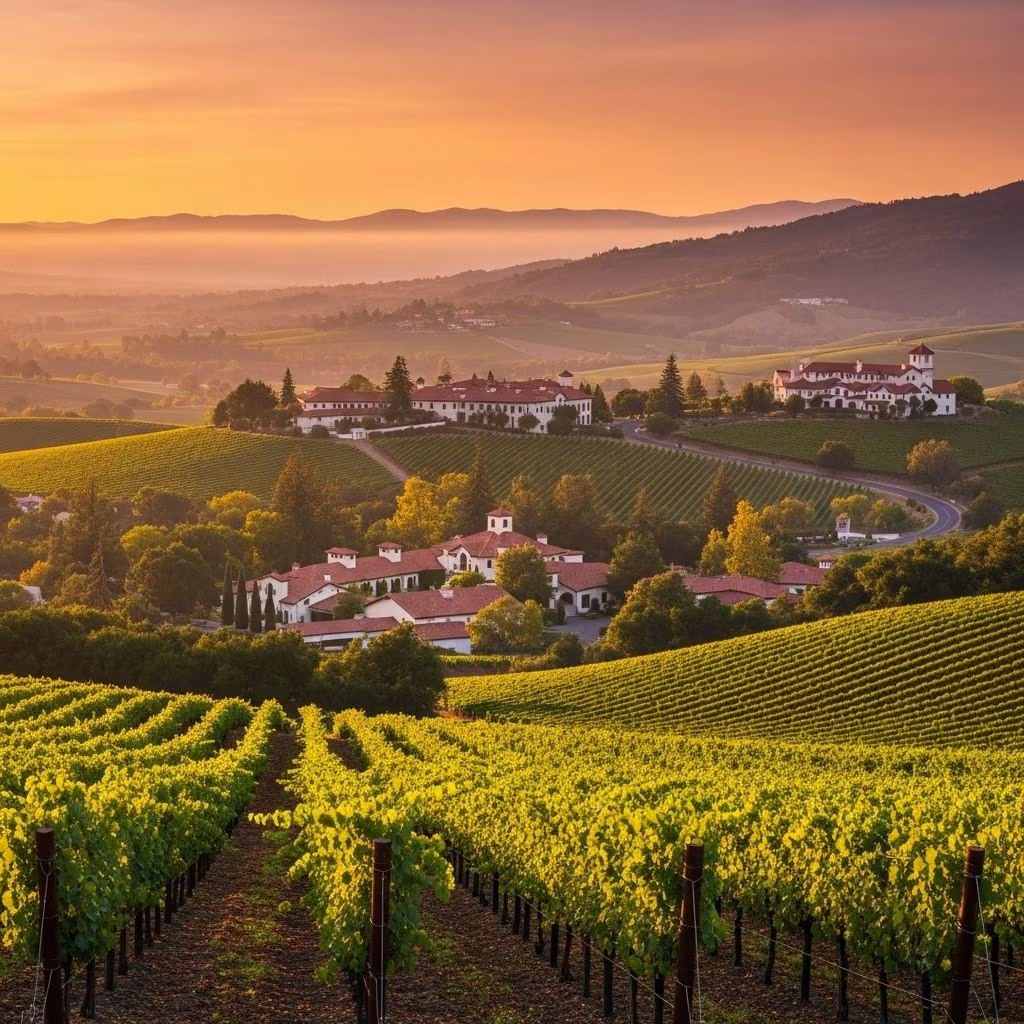
Nestled in Northern California, approximately 40 miles from San Francisco, Sonoma represents a destination that seamlessly blends agricultural heritage, natural beauty, and cultural richness. Unlike its more crowded neighboring wine region, Sonoma offers visitors a more relaxed atmosphere while maintaining world-class amenities, exceptional dining, and renowned vineyards. Whether you’re seeking a weekend escape or an extended vacation, Sonoma provides diverse experiences that cater to various interests and travel styles.
Sonoma isn’t a single monolithic destination but rather a collection of distinct experiences interconnected by a shared commitment to quality of life and natural preservation. The region encompasses multiple personality types, each offering unique attractions and vibes. This diversity means visitors can tailor their experiences based on personal preferences—whether gravitating toward wine appreciation, historical exploration, outdoor pursuits, or culinary adventures. The flexibility to combine different activities within a single trip makes Sonoma particularly appealing for travelers with varied interests.
The region’s structure allows for concentrated experiences in specific towns or a broader exploration spanning multiple areas. First-time visitors often find that selecting a home base in one of the primary towns provides an ideal starting point, allowing for day trips and excursions while maintaining comfortable accommodations and familiar dining options.
Seasonal considerations significantly impact your Sonoma experience. Understanding weather patterns, crowd levels, and regional activities helps optimize trip planning.
Summer and fall represent Sonoma’s most popular seasons, characterized by consistent sunshine and mild temperatures ranging in the mid-80s Fahrenheit. Summer visitors benefit from extended daylight hours and numerous outdoor festivals, though accommodations may require earlier booking and higher rates apply during peak weeks.
September emerges as particularly exceptional for experiencing harvest season, when vineyards become operational with active grape picking and winery tours intensify. This period uniquely combines pleasant weather with authentic agricultural experiences, allowing visitors to participate in the region’s most vibrant seasonal moment. Autumn foliage adds visual appeal for hiking and biking, while temperatures remain comfortable for extended outdoor exploration.
Spring and early autumn offer milder temperatures and fewer crowds, making these periods ideal for visitors prioritizing comfort and accessibility. Winter presents a quieter alternative, with fewer tourists and lower accommodation costs, though reduced daylight hours and occasional rainy weather require flexible activity planning. Winter’s tranquility appeals to travelers seeking peaceful retreats and intimate dining experiences without summer’s social energy.
Choosing where to stay fundamentally shapes your Sonoma experience. Different towns offer distinct characters and serve as ideal bases for specific interests.
Healdsburg functions as Sonoma’s most sophisticated town center, featuring upscale dining, premium accommodations, and a vibrant plaza atmosphere. Its position provides convenient access to northern vineyard areas and maintains a refined, walkable downtown core. Visitors prioritizing dining excellence and wine country sophistication often prefer Healdsburg as their base.
Sonoma town itself, despite sharing the region’s name, offers a more understated character. Its historic plaza anchors a collection of galleries, boutiques, and casual dining establishments. This location provides excellent proximity to historical sites, including the Franciscan mission dating to 1823 and City Hall, constructed in the early 20th century. Sonoma town appeals particularly to visitors interested in regional history and seeking a less ostentatious atmosphere than Healdsburg.
For visitors prioritizing ocean proximity, Bodega Bay presents an entirely different Sonoma experience. This windswept coastal community emphasizes fresh seafood, panoramic ocean views, and coastal hiking. The town’s charm reflects its maritime heritage, with working fishing boats visible along the docks. Bodega Bay provides access to dramatic coastal scenery and functions as an excellent base for those seeking beach time alongside wine country exploration.
Sonoma’s food scene represents one of California’s most dynamic culinary regions, built upon direct access to exceptional local ingredients and a philosophy emphasizing seasonal, locally-sourced preparations. The region’s agricultural foundation—vineyards, orchards, vegetable farms, and livestock operations—creates an unparalleled ingredient advantage for restaurants, many of which maintain direct relationships with specific producers.
Extended farm-fresh meals constitute a quintessential Sonoma experience. Many restaurants prioritize leisurely pacing and multiple courses, encouraging diners to settle in for hours-long culinary journeys. This dining philosophy reflects wine country culture, where meals extend beyond mere nutrition toward social and sensory experiences.
Specialized food and wine walking tours combine culinary education with regional history and architectural appreciation. These guided experiences introduce participants to current food trends while contextualizing preparations within local traditions and ingredient availability. Professional guides often provide insights into restaurateur philosophies and producer relationships, enriching understanding of how local systems support the dining experiences visitors enjoy.
Wine appreciation represents Sonoma’s primary draw, though the region supports diverse approaches to vineyard experiences beyond traditional tastings.
Sonoma encompasses numerous wineries ranging from intimate family operations to elaborate estate experiences. Specialized tasting events, including field table experiences, combine wine education with scenic settings and often incorporate food pairings. Many wineries welcome visitors for traditional sit-down tastings in comfortable tasting rooms, while others offer outdoor experiences emphasizing vineyard views and seasonal ambiance.
West Dry Creek Road exemplifies the scenic wine touring experience, winding through rolling terrain dotted with family-owned operations. This quiet route specializes in zinfandel production, with numerous established wineries offering tastings and tours. Visitors often combine tastings with picnic experiences, purchasing provisions from regional delis and selecting scenic winery gardens or secluded spots for lunch breaks. The Dry Creek General Store functions as a convenient provisioning location for such excursions.
The Carneros region presents alternative wine experiences, featuring contemporary art installations scattered across 200-acre estate grounds. Walking tours combine vineyard and estate exploration with structured tastings, providing visitors with both wine education and cultural enrichment.
Beyond wine and dining, Sonoma offers substantial outdoor recreation opportunities across diverse landscapes and activity types.
Multiple state parks and regional reserves provide accessible hiking across varying difficulty levels. Established destinations include dedicated recreation areas featuring trail systems through mixed terrain. Autumn hiking benefits from moderate temperatures and seasonal foliage, creating optimal conditions for extended outdoor exploration. Morning hikes allow visitors to complete substantial distances before afternoon activities, maximizing daily productivity.
The Russian River, characterized by gentle currents and peaceful settings, accommodates kayaking and leisurely floating experiences. The river’s slow-moving nature makes it accessible to paddlers with varying skill levels, while sandy beaches along its banks provide relaxation spots. This aquatic environment offers an alternative outdoor experience distinct from hiking or vineyard touring.
Fall cycling takes advantage of moderate temperatures and autumn color changes in surrounding landscapes. Many routes follow scenic backroads passing through vineyard areas, offering opportunities to combine physical activity with wine country views. These biking routes typically emphasize scenic beauty over strenuous challenge, making them accessible to recreational cyclists.
Sonoma’s historical significance extends beyond wine industry development into broader California heritage themes.
The Franciscan Mission San Francisco Solano, established in 1823, represents California’s northernmost Spanish mission and remains open for public exploration. This historical site provides context for understanding colonial California and mission-era development patterns that shaped regional settlement and agriculture.
The 1846 Bear Flag Revolt—a brief, ultimately unsuccessful insurrection involving approximately a dozen participants attempting to establish an independent California republic—constitutes an unusual but significant historical episode. Historical sites in Sonoma town interpret this event, offering visitors context for understanding nineteenth-century California politics and tensions between American expansion and Mexican territorial control.
Jack London State Historic Park in Glen Ellen preserves the former home and ranch of the celebrated American author. This destination appeals particularly to literary enthusiasts and provides biographical context for understanding London’s life and creative output. The park setting combines historical preservation with natural beauty, making it accessible to visitors with varying historical interests.
Sonoma’s 55-plus miles of Pacific coastline encompasses dramatic geological formations, remote beaches, and windswept vistas. Coastal excursions provide an alternative to inland wine country experiences, offering distinct landscapes and atmospheric conditions.
These coastal communities provide convenient half-day excursions from inland Sonoma locations. Bodega Bay emphasizes fresh seafood dining experiences and maintains historical significance as a filming location for classic cinema. The coastal setting provides sunset experiences and ocean views distinct from vineyard landscapes. Jenner offers river-meeting-ocean views and scenic photography opportunities, attracting visitors prioritizing landscape beauty over town amenities.
Coastal terrain includes plummeting cliffs and secluded beaches accessible through trail systems. Old-growth redwood forests shade many inland parks, providing cool refuge during warmer months and creating distinctive visual experiences. These natural features support outdoor photography and nature appreciation beyond traditional recreational activities.
| Duration | Recommended Focus | Ideal Towns |
|---|---|---|
| Weekend (2-3 days) | Single town base with nearby vineyard visits and dining | Healdsburg or Sonoma |
| One Week | Multiple towns, diverse activities, hiking, history, and coastal exploration | Split between Healdsburg and Bodega Bay |
| Extended (10+ days) | Comprehensive exploration including lesser-known wineries, remote trails, and leisurely experiences | Multiple bases with flexibility |
September represents the optimal month, combining perfect weather with active harvest operations. Wineries conduct grape picking, tours intensify, and the region experiences its most dynamic seasonal energy. Autumn hiking and biking also benefit from comfortable temperatures and seasonal foliage.
Many wineries welcome visitors to observe harvest operations and occasionally participate in picking activities. September and early October provide the primary opportunities for such experiences. Advance arrangement with specific wineries typically proves necessary for participation.
Weekend visitors typically enjoy 3-4 winery visits combined with dining and town exploration. Longer stays accommodate more extensive vineyard visits, specialized experiences, and adjacent activities like hiking or coastal exploration. Quality generally supersedes quantity; deeper engagement with fewer wineries often proves more satisfying than rushed visits to numerous locations.
Sonoma offers substantial non-wine experiences including hiking through redwood forests, kayaking the Russian River, exploring historical sites, enjoying culinary experiences, and accessing coastal attractions. Art installations, gallery spaces, and cultural events provide additional entertainment options independent from wine activities.
Sonoma offers lodging across price ranges. Budget-conscious travelers can find modest accommodations in smaller towns or visit during shoulder seasons. Premium properties command higher rates, particularly during summer and September. Winter and spring often feature reduced rates and greater availability.
Visitors should arrange transportation thoughtfully, as many wine activities discourage self-driving. Professional tour operators, designated driver services, and ride-sharing applications mitigate this concern. Advance restaurant reservations prove essential during peak seasons, particularly at highly-regarded establishments. Weather-appropriate clothing accommodates Sonoma’s variable conditions; layers prove useful even during mild seasons as evening temperatures cool considerably.
Sonoma’s appeal stems from its refusal to prioritize crowds over quality experiences. This philosophy permeates accommodations, restaurants, wineries, and attractions, creating a destination where visitors consistently encounter thoughtful curation and attention to experience quality. Whether pursuing wine expertise, outdoor adventure, historical knowledge, or culinary excellence, Sonoma provides substantive engagement opportunities that extend far beyond typical resort experiences.
