

 Travel Essentials
 Travel Essentials

Explore South Korea's best hole-in-the-wall spots from hearty gomtang soups to sizzling bossam platters, revealing the soul of Korean cuisine beyond tourist trails.
 Travel Essentials
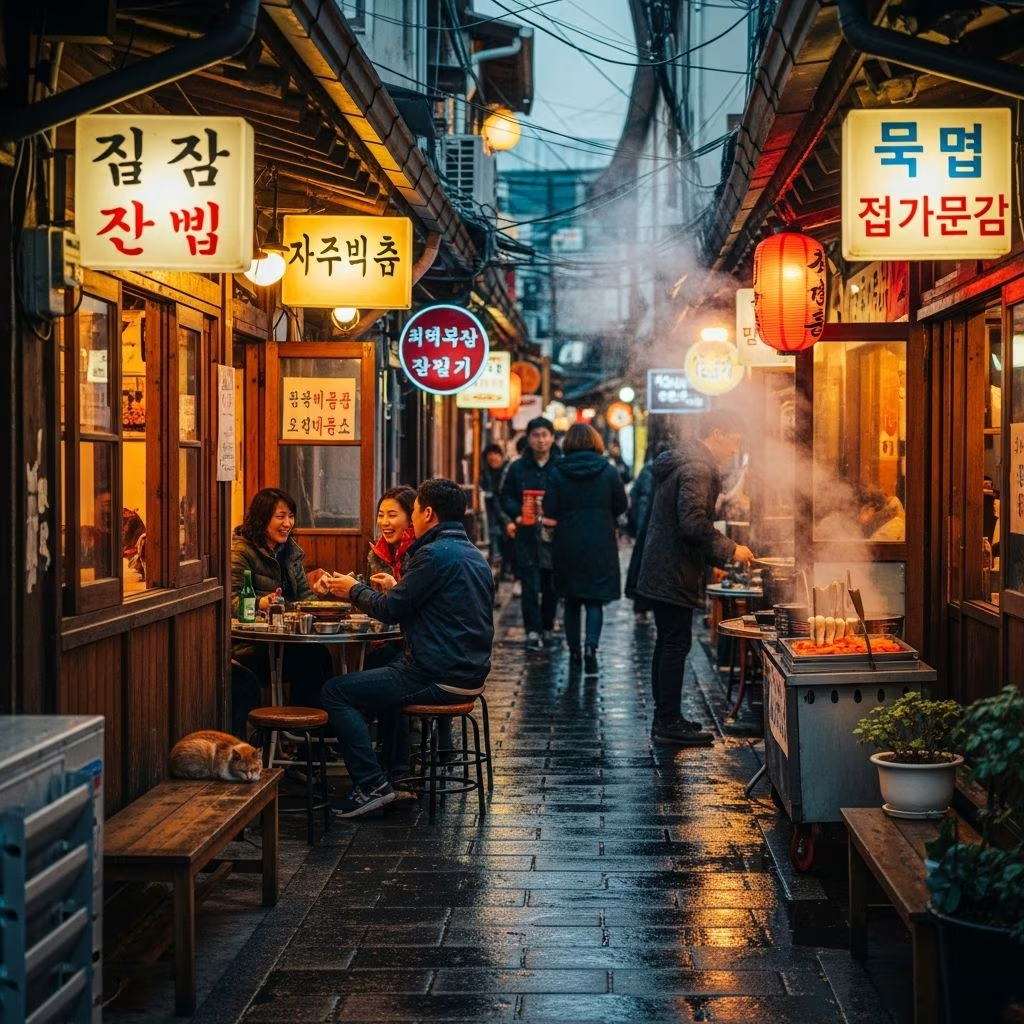
Stepping into South Korea’s hole-in-the-wall restaurants feels like entering a secret world where time slows and flavors explode. These modest establishments, often tucked into narrow alleys and backstreets, embody the heart of Korean culinary tradition. Far from the glossy chains and tourist hotspots, they offer unpretentious meals prepared with generations-old techniques, served by owners who treat every customer like family. Whether you’re craving a steaming bowl of bone broth or tender pork belly, these spots deliver authenticity in every bite.
Hole-in-the-wall eateries thrive in Korea’s bustling cities, where space is premium and creativity blooms in confinement. These tiny venues, sometimes no larger than a single room, draw loyal crowds with their focus on quality over spectacle. Diners squeeze around shared tables, sharing stories amid the clatter of chopsticks and sizzling pans. The atmosphere is electric—smoke from grills mingles with laughter, and the air hums with the sizzle of fresh ingredients hitting hot surfaces.
What sets these places apart is their unwavering commitment to tradition. Owners often source ingredients from local markets, simmering stocks for hours or fermenting sauces in clay pots. This dedication shines in dishes passed down through families, untouched by modern trends. For travelers, finding these gems means ditching guidebooks for intuition: follow the steam, the crowds, or the faint aroma of garlic and sesame oil wafting from unlit doorways.
Seoul pulses with hidden culinary treasures, and its Jongno district hides one of the oldest. Here, a legendary spot specializes in gomtang, a milky beef bone soup slow-cooked for over 12 hours. The result? A broth so rich and meat so melt-in-your-mouth tender that it’s drawn presidents and everyday locals alike. Legend whispers that a former leader once craved 30 bowls during a trip, underscoring its irresistible pull. Pair it with rice and radish kimchi for a meal that warms the soul.
Another Jongno favorite channels old-school vibes with its bossam offerings. This pork belly delight arrives wrapped in crisp lettuce leaves alongside pungent ssamjang paste and fresh oysters. The meat’s subtle seasoning lets its natural juices shine, making each wrap a burst of harmony. Regulars swear by the generous portions, perfect for sharing on chilly evenings.
Venturing to Mapo-gu reveals eateries where comfort reigns supreme. One standout serves up samgyetang, ginseng chicken soup stuffed with sticky rice, garlic, and jujubes. Simmered until the bird nearly dissolves, it’s a restorative classic ideal for Korea’s humid summers or harsh winters. The tiny space fills quickly with office workers seeking solace in its herbal depths.
Nearby, spots blend meals with drinks, earning nicknames like ‘tasty taverns.’ Here, soju flows alongside grilled meats and stews, fostering a lively vibe. The rowdy chatter and clinking glasses create an inclusive energy, where strangers become friends over shared skewers.
Daegu’s Jung-gu neighborhood boasts a quiet powerhouse of flavor. A venerable establishment dishes out gomtang with unmatched depth, its broth cloudy from bones extracted over days. Fans rave about the meat’s unparalleled tenderness, a testament to meticulous preparation. This spot has endured for over a century, its walls echoing with stories from generations.
Busan’s port energy infuses its hole-in-the-wall scene. In Jung-gu, a pork specialist elevates bossam to art. Thinly sliced belly steams to perfection, accompanied by shrimp, oysters, and napa cabbage for wrapping. The interplay of textures—crisp veggies, briny seafood, fatty pork—makes it a coastal standout. Diners often linger, savoring the fresh, ocean-kissed pairings.
These Busan gems highlight Korea’s regional twists, where proximity to the sea amps up seafood integration into classic dishes.
Finding hole-in-the-walls demands adventure. Use apps like Naver Maps for Korean-language reviews, or wander markets like Gwangjang in Seoul. Look for ajummas (middle-aged women) tending grills or handwritten menus boasting ‘since 19XX.’ English signs are rare, so point and smile—hospitality bridges gaps.
| Dish | Key Ingredients | Best Paired With | Region Highlight |
|---|---|---|---|
| Gomtang | Beef bones, brisket, radish | Rice, green onions | Seoul, Daegu |
| Bossam | Pork belly, kimchi, oysters | Ssamjang, lettuce wraps | Busan, Seoul |
| Samgyetang | Chicken, ginseng, rice | Korean salt, iced water | Mapo-gu |
This table captures the essence of standout dishes, showcasing their simplicity and balance.
Beyond food, these spots foster community. Owners remember faces, customizing orders without words. Prices stay grounded—meals under 15,000 KRW feed heartily. In a fast world, they offer pause: a steaming bowl grounding you amid city chaos.
Health benefits abound too. Fermented sides like kimchi boost gut health, while bone broths provide collagen. It’s soul food with science-backed perks.
Newcomers might feel overwhelmed, but embrace it. Learn basics: anju (drinking snacks), banchan (side dishes). Vegetarians can request tweaks, though options lean meat-heavy. Photography? Ask first—many prefer privacy.
Korea’s seasons dictate menus. Summer brings cold noodles (naengmyeon); winter, hot pots (jeongol). Some spots innovate subtly, like adding Jeju seafood, blending tradition with freshness.
They prioritize fresh, traditional prep in intimate settings, offering genuine tastes locals cherish over flashy decor.
Mostly local haunts, but welcoming. Menus may lack English; use translation apps.
Typically 8,000-20,000 KRW per person, including sides—value unmatched.
Limited, but bibimbap or temple cuisine variants exist nearby.
Weeknights for authentic crowds; weekends busier.
While Seoul dominates, Jeonju’s hanok villages hide bibimbap shacks, and Jeju’s haenyeo-inspired spots feature abalone porridge. Each area infuses local bounty—wild greens in Gangwon, seafood in coastal towns—expanding the hole-in-the-wall allure nationwide.
These eateries preserve Korea’s food heritage amid globalization. Visiting supports small businesses, sustaining recipes for future palates.
