

 Travel Essentials
 Travel Essentials

A comprehensive guide to experiencing Costa Rica's Southern Caribbean region, featuring secluded beaches, water activities, and authentic local cuisine.
 Travel Essentials
The Southern Caribbean region of Costa Rica represents one of the country’s most enchanting and underexplored destinations. Stretching from Puerto Viejo de Talamanca through to the remote village of Manzanillo, this coastal territory offers visitors an entirely different perspective on Costa Rican travel. Unlike the more commercialized northern regions, this southern enclave maintains its authentic charm, featuring a unique cultural blend that sets it apart from the rest of the nation. The region’s combination of untamed natural beauty, welcoming communities, and diverse recreational opportunities makes it an ideal destination for travelers seeking a more authentic and intimate connection with Costa Rica.
What distinguishes Caribe Sur from other Costa Rican destinations is its distinctive cultural identity and preserved natural landscape. The communities here have maintained traditions and ways of life that reflect centuries of Caribbean heritage, influenced by indigenous peoples, African diaspora communities, and other cultural migrations. This multicultural tapestry creates a vibrant atmosphere that permeates every aspect of daily life, from the music filling the streets to the flavors found in local restaurants. The region’s slower pace of development has allowed it to retain much of its original character, making it particularly appealing for visitors who desire genuine cultural immersion rather than tourist-focused experiences.
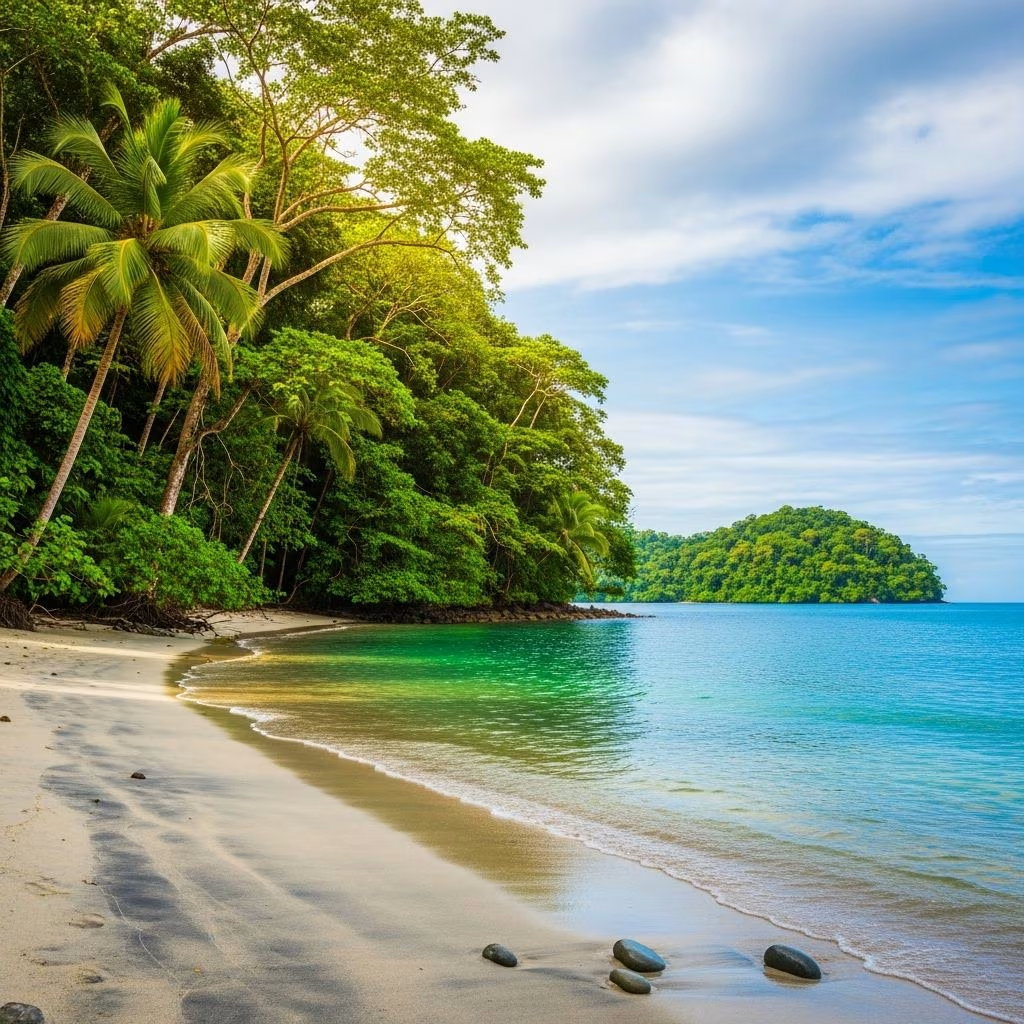
The coastal geography of the region features a remarkable series of secluded beaches interspersed with lush vegetation and pristine natural habitats. These sandy stretches, protected from overdevelopment, offer opportunities for peaceful exploration and connection with nature. The warm Caribbean waters provide ideal conditions for various water-based activities throughout the year, while the nearby rainforest supports an impressive array of wildlife and plant species found nowhere else on Earth.
Puerto Viejo de Talamanca serves as the primary entry point and most developed settlement in this region. Despite its reputation as a social hub within the area, Puerto Viejo maintains a relaxed, bohemian atmosphere that contrasts sharply with resort-heavy destinations elsewhere in Costa Rica. The town features a compact downtown area with locally-owned businesses, restaurants serving both traditional and fusion cuisine, and accommodations ranging from budget-friendly hostels to mid-range guesthouses. The vibrant evening scene attracts both locals and travelers, creating opportunities for cultural exchange and community engagement.
Moving south from Puerto Viejo, the coastal landscape becomes progressively more remote and untamed. Small settlements like Cahuita, Limon, and Manzanillo dot the coastline, each offering distinct characteristics and varying levels of tourist infrastructure. Manzanillo, serving as the southern terminus of the region’s main coastal corridor, represents the final frontier of this developed coastline, where civilization gives way almost entirely to protected wilderness.
The Refugio Nacional de Vida Silvestre Gandoca-Manzanillo represents one of the region’s most significant natural preserves. This protected wetland and coastal habitat encompasses approximately 5,000 hectares and supports an extraordinary diversity of plant and animal species. The refuge features multiple trail options suitable for various fitness levels and interests, with the coastal trail offering approximately 3.5 miles of relatively easy walking. This particular route provides an exceptional experience, as hikers traverse terrain with rainforest vegetation on one side and ocean vistas on the other, creating an immersive natural environment that engages multiple senses simultaneously.
The refuge serves as critical habitat for endangered species including sea turtles, manatees, and jaguars. The combination of terrestrial and marine ecosystems creates a unique landscape where visitors can observe the complex interdependence of tropical wildlife. Early morning hikes offer the best opportunities for wildlife observation, as many animals are most active during cooler hours. The refuge also provides peaceful swimming opportunities at designated beach areas, allowing visitors to combine terrestrial exploration with aquatic recreation.
The coastal waters of Caribe Sur offer exceptional opportunities for various water sports and marine recreation. The region’s reputation for excellent diving conditions attracts enthusiasts from around the world. Coral reefs, underwater caves, and abundant marine biodiversity create compelling diving destinations, with visibility often ranging from 40 to 100+ feet depending on seasonal conditions and specific dive sites.
For those interested in more specialized activities, the region offers unique experiences such as lobster diving expeditions. Local guides and entrepreneurs, including experienced chefs who have established themselves within the community, offer professional lobster-diving tours. These excursions typically involve free-diving techniques and conclude with preparation of the catch on secluded beaches, combining recreation with culinary adventure. These experiences require advance booking and participation from trustworthy local operators who understand marine conservation principles and safety protocols.
Kayaking represents another popular water activity, particularly in the protected coastal waters where calm conditions prevail. Guided kayak tours explore mangrove systems, offshore islands, and hidden coves, providing perspectives on the region that land-based travel cannot access. Sea kayaking tours accommodate various experience levels and often include snorkeling components, allowing visitors to observe coral reef ecosystems up close.
The Southern Caribbean’s culinary scene reflects its multicultural heritage and abundant natural resources. Local restaurants showcase dishes influenced by Caribbean, Latin American, and international traditions. Fresh seafood features prominently in local menus, prepared using traditional methods and contemporary techniques. Small establishments, often family-operated, serve authentic cuisine at reasonable prices, providing genuine cultural engagement through food.
Specialized dining experiences enhance the regional exploration. Certain local operators combine recreational activities with culinary preparation, offering visitors opportunities to participate in food sourcing and preparation. These integrated experiences create memorable connections between the environment, local communities, and the food consumed. Open-air establishments featuring traditional architecture and local artistic expression provide atmospheric settings for dining experiences that extend beyond simple sustenance to become cultural immersion opportunities.
Beyond the established trails within protected refuges, the region offers numerous opportunities for terrestrial exploration. The varied topography, from coastal plains to inland elevation changes, supports diverse ecosystems that reward careful observation and patient exploration. Multiple trails of varying difficulty accommodate different experience levels and time constraints.
Guided hiking tours provide advantages over independent exploration, particularly for visitors unfamiliar with tropical environments. Experienced guides possess knowledge of wildlife behavior, plant identification, weather patterns, and safety considerations that enhance both the quality of experience and traveler well-being. Morning excursions typically yield better wildlife viewing opportunities, as many animals exhibit crepuscular activity patterns, becoming most active during dawn hours.
| Season | Weather Characteristics | Advantages | Considerations |
|---|---|---|---|
| Wet Season (May-November) | Higher rainfall, afternoon showers, lush vegetation | Fewer tourists, lower accommodation prices, vibrant ecosystem | Muddy trails, potential travel delays, some attractions may have limited hours |
| Dry Season (December-April) | Minimal rainfall, cooler temperatures, clear skies | Optimal hiking conditions, excellent visibility for diving, reliable weather | Higher accommodation prices, more crowded conditions, increased heat intensity |
The Southern Caribbean experiences a tropical climate characterized by warm temperatures year-round. The wet season brings afternoon showers and occasional heavier rainfall, but the rain typically occurs in predictable patterns, often clearing by evening. The dry season offers more stable weather conditions but attracts larger visitor numbers and consequently higher prices. Each season presents distinct advantages, and the optimal visiting period depends on individual preferences regarding weather conditions, crowd levels, and budget considerations.
The region offers diverse accommodation options serving various budget levels and preferences. Puerto Viejo provides the widest selection, ranging from basic budget hostels to comfortable mid-range hotels and upscale eco-lodges. Smaller settlements along the coast offer fewer options but often feature unique properties emphasizing local character and environmental consciousness. Beachfront accommodations provide convenient access to water activities, while inland options often offer more competitive pricing and cultural immersion opportunities with local hosts.
Advance reservations are recommended during peak dry season months, particularly around Christmas, New Year, and Easter holidays. Budget accommodations fill quickly during these periods, and prices increase substantially. The wet season offers more flexible booking options and often includes promotional pricing from establishments seeking to maintain occupancy during lower-demand periods.
Reaching the Southern Caribbean region typically requires initial arrival at San José or another primary Costa Rican airport, followed by overland travel to the coastal region. Multiple transportation options exist, including rental vehicles, shuttle services, and public transportation. Rental cars provide maximum flexibility for exploring the region independently, while organized shuttle services offer convenience without driving responsibilities. Public buses represent the most economical option but require flexibility regarding schedules and comfort expectations.
Once in the region, local transportation options include taxis, water taxis connecting coastal communities, and organized tour services. Many activities and attractions are accessible through guided tours, which eliminate navigation concerns and provide professional expertise regarding local conditions and safety considerations.
Visitors should prepare appropriate footwear for varied terrain conditions, including waterproof options for wet season travel or water activities. Tropical sun exposure requires high-SPF sunscreen applied liberally and frequently. Insect protection through nets, screens, and insect repellent helps prevent uncomfortable encounters with mosquitoes and other insects. Basic medical supplies and any prescription medications should be brought from home, as availability of specific products in smaller communities cannot be guaranteed.
Documentation requirements include a valid passport with minimum validity exceeding the intended stay duration. Most visitors can enter Costa Rica visa-free for tourism purposes, though verification of current regulations before travel is essential. Travel insurance providing medical, trip interruption, and evacuation coverage offers important protection given the remote location of certain attractions and activities.
The dry season (December-April) offers optimal weather conditions and excellent visibility for water activities, though it attracts more visitors and commands higher prices. The wet season (May-November) provides fewer crowds, lower costs, and lush vegetation, with afternoon rain being predictable rather than all-day precipitation.
The Southern Caribbean region is approximately 5-6 hours by car from San José, depending on specific destination within the region. Puerto Viejo represents the primary access point, being the first major settlement along the coastal route.
The Southern Caribbean, like most tourist destinations, requires standard travel safety practices including awareness of surroundings, securing valuables, and avoiding isolated areas after dark. The local community generally welcomes tourists respectfully, and established businesses prioritize visitor safety.
Common wildlife includes sloths, howler monkeys, capuchin monkeys, tropical birds, iguanas, and various reptile species. Marine life includes fish, rays, sea turtles (seasonal), and various crustaceans. Night hikes offer opportunities to observe nocturnal species including frogs, insects, and certain mammals.
Many activities accommodate various age groups, including beach time, easy nature walks, and shallow-water snorkeling. Specific age and ability requirements vary by activity, so advance consultation with tour operators is recommended.
Essential items include passports, travel insurance documents, waterproof bags, reef-safe sunscreen, insect repellent, comfortable hiking footwear, casual clothing suitable for tropical heat and humidity, and any prescription medications. A light rain jacket proves useful despite warm temperatures.
