


 Food & Culture
Food & Culture
Southern Peru Food Guide: Cusco, Puno & Arequipa Cuisine
Discover the diverse dishes, festivals, and cooking methods of Cusco, Puno, and Arequipa, where Andean staples like potatoes, corn, and unique meats blend with coastal influences in southern Peru.
 Food & Culture
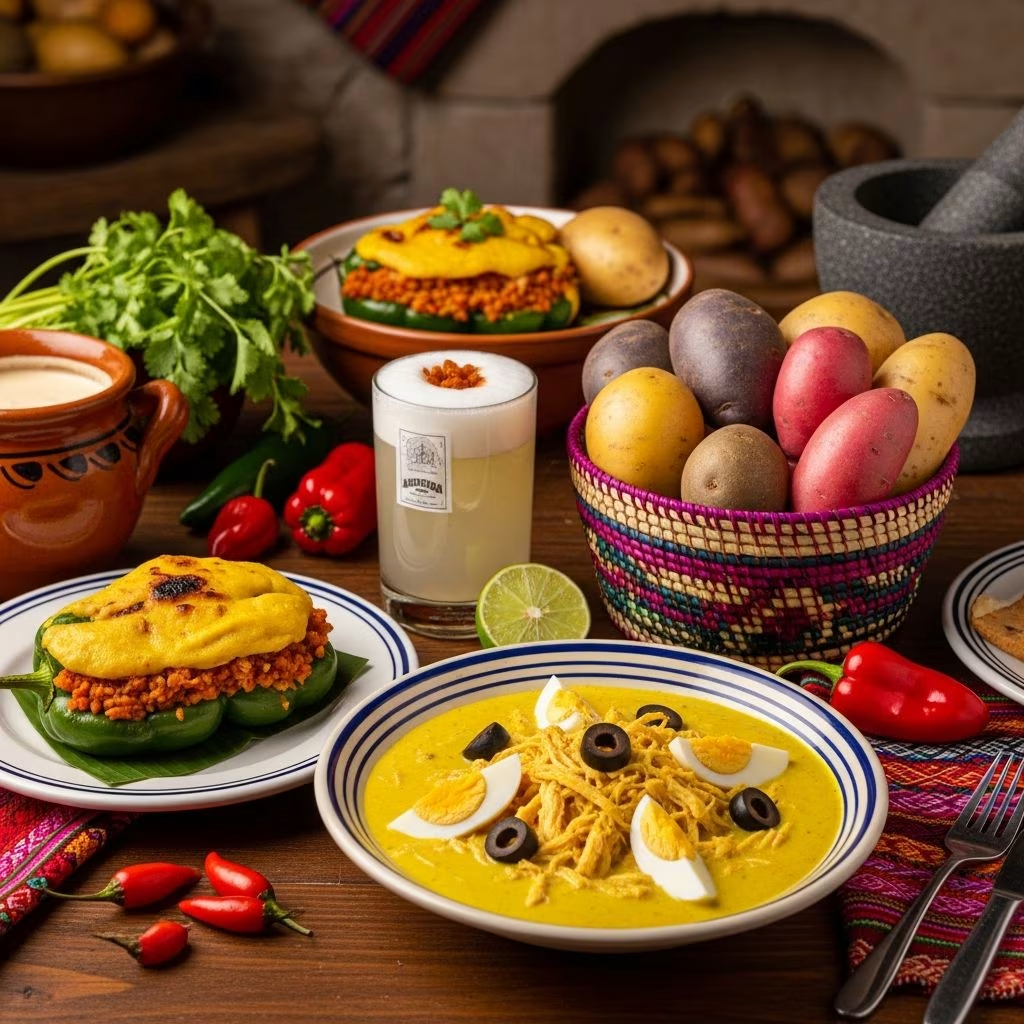
Southern Peru, cradled by the towering Andes and kissed by the Pacific, boasts a food scene deeply intertwined with its indigenous roots, colonial history, and geographic diversity. Regions like Cusco, Puno, and Arequipa showcase dishes that highlight hyper-local ingredients such as over 3,000 potato varieties, massive corn kernels, and hardy highland meats, all prepared using time-honored methods passed down through generations.
The Foundations of Andean Ingredients
At the heart of southern Peruvian cuisine lie staple crops that have sustained communities for millennia. Potatoes dominate, with varieties like chuño (freeze-dried potatoes) and moraya offering long-term storage solutions ideal for the harsh altiplano. Corn, known locally as choclo, features enormous kernels grilled or boiled, often paired with fresh cheese for a simple yet satisfying snack. Quinoa, the nutrient-dense pseudocereal, forms the base for hearty soups and porridges, providing protein in protein-scarce highland diets.
Meats reflect the rugged terrain: alpaca and llama provide lean, flavorful cuts dried into charqui for preservation, while cuy (guinea pig) remains a festive delicacy roasted whole over open flames. These ingredients aren’t just food; they’re cultural symbols, integral to rituals honoring Pachamama, the earth mother.
- Potatoes: Over 3,000 native types, from starchy white to vibrant purple hues.
- Choclo: Giant-kernel corn, steamed and served with salty queso fresco.
- Quinoa: Ancient grain boiled into soups or toasted for crunch.
- Cuy and Alpaca: Roasted or dried, central to celebrations.
Cusco: Festival Feasts and Sacred Bites
Cusco, the ancient Inca capital, pulses with culinary traditions tied to solar worship and seasonal cycles. The Inti Raymi festival in June epitomizes this, featuring chiri uchu, a cold platter assembling contrasting flavors: cold potatoes meet spicy huacatay sauce, tender cuy contrasts chewy charqui, and humita (corn tamales) adds sweetness to the mix. Served chilled to balance the June solstice heat, it embodies Inca duality of opposites.
Beyond festivals, everyday eats include api, a warm purple corn drink sweetened with cloves, perfect for chilly mornings. Street vendors hawk anticuchos—skewered beef heart glazed with aji panca—grilled to smoky perfection. For heartier fare, try pachamanca, an underground oven roast where meats and tubers steam in huatia leaves, unearthing flavors infused with earth.
| Dish | Main Ingredients | Occasion |
|---|---|---|
| Chiri Uchu | Cuy, charqui, potatoes, huacatay | Inti Raymi festival |
| Anticuchos | Beef heart, aji panca, skewers | Street food |
| Pachamanca | Alpaca, potatoes, huatia leaves | Communal gatherings |
Puno: Highland Resilience on the Plate
Nestled by Lake Titicaca, Puno’s cuisine adapts to extreme altitudes with resilient staples. Thimphu, a dense barley soup spiked with dried llama meat, warms against biting winds. Carachi, spiced dried potato cakes, travel well for herders. Freshwater bounty from the lake yields trucha frita—crispy fried trout seasoned with huacatay and lime—often accompanied by quinoa patties.
Festivals like Candelaria amplify these flavors; masked dancers feast on kallapurka, a mix of potatoes, cheese, and sausage baked in clay ovens. Puno’s markets brim with freeze-dried chuño, rehydrated into olluquito stews with tender pork.
Arequipa: The White City’s Hearty Haven
Arequipa, dubbed the White City for its volcanic sillar stone, contrasts highland austerity with robust, spice-laden dishes. Picanterias, family-run lunch spots, serve adobo: pork shoulder marinated in chicha de jora (fermented corn beer), slow-cooked in clay pots with vinegar, cumin, and cloves until fall-apart tender. This dish captures Arequipa’s pride, blending Andean fermentation with coastal freshness.
Seafood shines in chupe de camarones, a creamy shrimp chowder thickened with rice and milk, studded with potatoes and corn. Starters like rocoto relleno—fiery rocoto peppers stuffed with spiced beef, raisins, olives, and molten cheese—test spice tolerances, while pastel de papa layers cheesy potato with ground meat in a comforting casserole.
- Adobo: Pork in chicha-vinegar braise, clay pot cooked.
- Chupe de Camarones: Shrimp, rice, potatoes in rich broth.
- Rocoto Relleno: Stuffed spicy peppers baked with cheese topping.
Cooking Traditions and Modern Twists
Wood-fired earthen ovens, or hornos, dot southern Peru, imparting smoky depth to baked goods and stews. Pachamanca pits mimic Inca earth ovens, fostering community bonds. Today, chefs fuse these with global touches: Nikkei blends Japanese precision with Peruvian ceviche techniques, though southern versions emphasize trout over coastal fish. Chifa, Chinese-Peruvian fusion, introduces lomo saltado stir-fries using alpaca instead of beef in highland adaptations.
Sustainability drives innovation; organic quinoa exports from Puno support local farmers, while Arequipa’s locavore movement revives heirloom potatoes.
Where to Savor Southern Flavors
In Cusco, hit Mercado San Pedro for fresh api and anticuchos. Puno’s Calle Moquegua stalls offer trucha al horno. Arequipa’s picanterias like Zig Zag serve authentic adobo; for upscale, try Chicha by Gastón Acurio. Markets provide raw ingredients for DIY feasts.
FAQs
What is the most iconic dish from Cusco?
Chiri uchu, a cold festival platter with cuy, potatoes, and charqui, highlights Andean duality.
Are guinea pigs commonly eaten in southern Peru?
Yes, cuy is a delicacy roasted for special occasions, rich in protein and cultural significance.
What makes Arequipa’s food unique?
Its picanterias offer hearty, spice-forward dishes like rocoto relleno and adobo, blending highland and coastal elements.
Can vegetarians enjoy southern Peruvian cuisine?
Absolutely—quinoa soups, potato dishes, and choclo con queso provide robust plant-based options.
When is the best time to experience food festivals?
June for Cusco’s Inti Raymi and February for Puno’s Virgen de Candelaria.
Practical Tips for Food Explorers
Embrace street food cautiously; opt for busy stalls. Pair meals with pisco sours or chicha morada. Altitude affects appetite—stay hydrated. Book picanterias ahead on weekends.
References
- Taste and distinction: Food and culture in southern Peru — Lonely Planet. 2023-06-15. https://www.lonelyplanet.com/articles/southern-peru-food-culture
- An Introduction to Peruvian Cuisine — Spices Inc. 2022-08-10. https://spicesinc.com/blogs/intro-peruvian-cuisine
- 15 Traditional Peruvian Foods To Discover and Devour — Feastio. 2024-01-20. https://feastio.com/peruvian-food/
- The Taste of Lima: Peruvian Food Culture and History — Diners Club Resources. 2023-05-05. https://resources.dinersclub.com/lima-itineraries/a-taste-of-lima
- Peru on a Plate – Peruvian food and drink you need to try — The Travel Bunny. 2023-11-12. https://thetravelbunny.com/peruvian-food-and-drink/
← Previous
Malaysian Cuisine: A Multicultural Food Journey
Next →
Southern Peru History: From Ancient Andes to the Inca Empire
Related Reading
More in Food & Culture
Food & Culture Food & Culture
 Food & Culture
Best Places to Eat in Rome: Neighborhood Dining Guide
 Food & Culture
 Food & Culture