

 Travel Essentials
 Travel Essentials

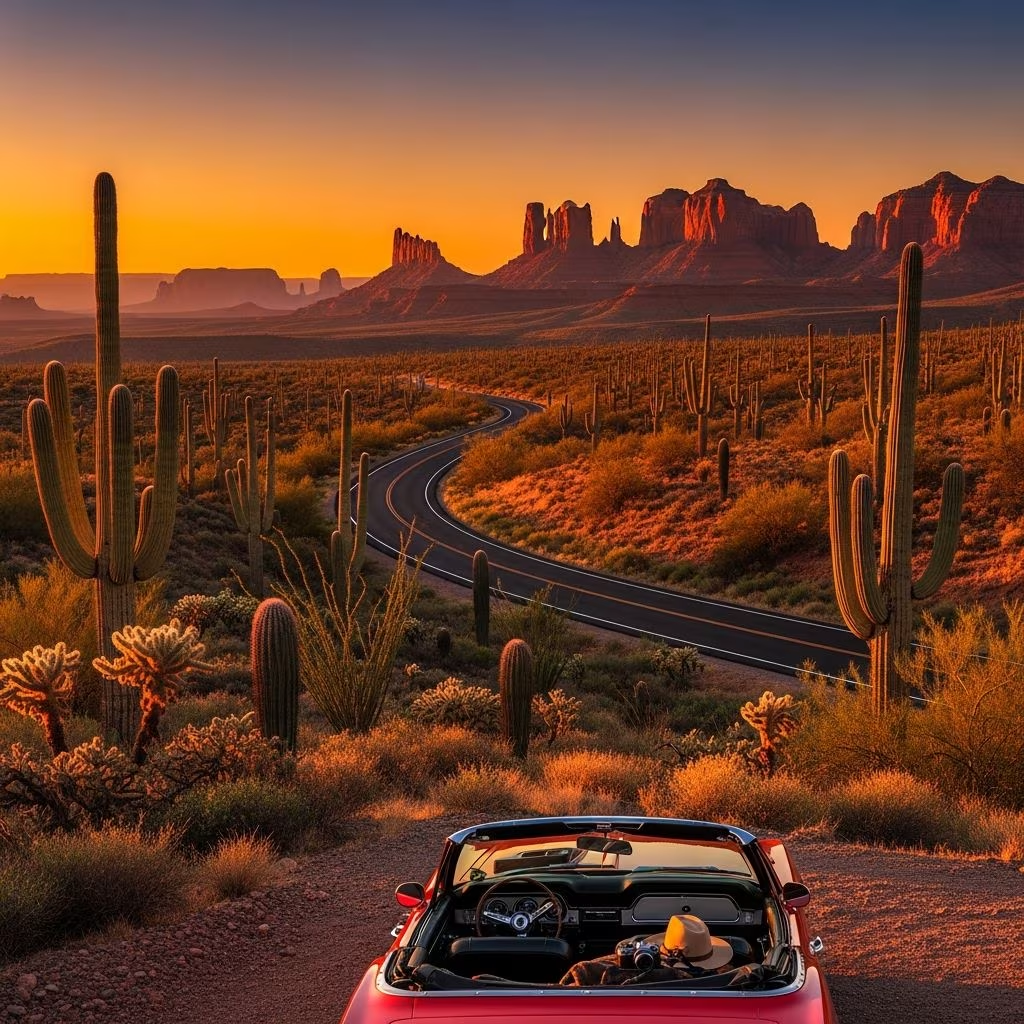
Explore Arizona's vibrant cultural tapestry on a road trip from Phoenix to ancient pueblos, cliff dwellings, and historic towns, immersing in Native American, Spanish, and American traditions amid breathtaking scenery.
 Travel Essentials
This journey through Arizona and into Colorado and New Mexico reveals layers of human history etched into dramatic landscapes. From the bustling energy of Phoenix to remote canyon ruins, travelers encounter a fusion of indigenous wisdom, colonial influences, and modern Americana. Expect petroglyph-covered rocks, multi-story pueblos, and lively trading posts where traditions thrive today.
The American Southwest stands out for its unparalleled blend of natural beauty and cultural depth. Vast deserts give way to red rock formations, while ancient communities left behind architectural marvels that speak of resilience and ingenuity. This road trip prioritizes sites tied to Native peoples like the Navajo, Hopi, and ancestral Puebloans, alongside Spanish mission legacies and the iconic Mother Road, Route 66. Slow travel here allows immersion—hike to overlooks at dawn, chat with artisans, and savor fry bread under starlit skies.
Starting in Phoenix, the itinerary spans roughly 800 miles over 7-10 days, with flexible detours. Spring and fall offer mild weather, avoiding summer heat. Rent a sturdy SUV for dirt roads, pack water, and book sites like national parks in advance.
Phoenix pulses with Southwest identity. Dive into Native artistry at a premier museum dedicated to tribal cultures. Exhibits feature intricate kachina dolls from the Hopi, Navajo weavings, and Pueblo pottery, illustrating centuries of storytelling through craft. Interactive displays reveal spiritual practices and historical migrations.
Beyond museums, stroll urban trails amid saguaro cacti, symbols of the Sonoran Desert. Local eateries serve Sonoran hot dogs—bacon-wrapped with beans—and tamales echoing Mexican roots. Phoenix sets the tone: culture isn’t confined to glass cases but lives in daily rhythms.
Drive 116 miles north on I-17 (2 hours) to Sedona’s vortex energy and crimson buttes. En route, detour to Montezuma Castle National Monument. These five-story cliff apartments, built by Sinagua people around 1100 AD, cling to limestone walls. Self-guided trails explain farming techniques and trade networks sustaining 50 families.
Jerome, a 30-minute side trip off the highway, transforms from copper mining boomtown to bohemian enclave. Perched on Cleopatra Hill, its galleries showcase metal sculptures from mine scraps. Panoramic Verde Valley views reward uphill wanders through haunted saloons turned cafes.
In Sedona, hike Bell Rock or Cathedral Rock for spiritual recharge. Galleries brim with local turquoise jewelry and landscapes capturing the area’s mystical aura.
Continue 30 miles to Flagstaff, a cool ponderosa pine base. Walnut Canyon National Monument (15 miles east) houses 300 Sinagua dwellings in alcoves 100 feet up. The 1-mile Island Trail (steep, 350 stairs) accesses rooms with T-shaped doors and pithouse pits, dating 1050-1250 AD.
Wupatki National Monument, 30 miles north, contrasts with 800-room pueblos amid lava fields. The 12th-century Wupatki Pueblo’s ball court hints at Mesoamerican ties. Sunset drives reveal blow holes—geothermal vents—adding eerie intrigue.
Flagstaff’s historic downtown nods to Route 66 with neon signs and the Museum of Northern Arizona, detailing Ancestral Puebloan kivas (ceremonial chambers).
Head 75 miles north to Tuba City on US-89. Explore Navajo traditions at trading posts stocking handmade rugs and silver. Learn about code talkers who used Diné language in WWII, pivotal to Allied victories. Guided tours share hogans—traditional octagonal homes—and sheepherding lifeways.
Detour to the Navajo Nation Museum for baskets and cradleboards. Evening rodeos or powwows (seasonal) showcase dances blending utility and celebration.
Venture 200 miles northeast via US-160 to Mesa Verde National Park (enter Colorado). This UNESCO site preserves 600 cliff dwellings from 1200-1300 AD. The Cliff Palace, largest in North America, features 150 rooms and 23 kivas accessed by ladders. Ranger tours narrate migrations triggered by droughts.
Spruce Tree House offers self-guided access (when open). Balcony House demands crawling through tunnels, mimicking ancestral agility. Park lodges immerse with canyon sunsets.
Nearby Cortez hosts the Notah-dinéh Trading Co. & Museum, trading authentic Navajo textiles and demonstrating silversmithing.
From Mesa Verde, drive east on US-160, south on CO-140/ NM-170, then east on NM-574/US-550 (3-4 hours). The final 20 miles is unpaved washboard—high-clearance recommended. Chaco Culture National Historical Park unveils a 12th-century complex aligned with solstices.
Pueblo Bonito, a D-shaped great house, spans 600 rooms. Hike to overlooks revealing roads converging like spokes. Petroglyphs depict macaws traded from Mexico. Interpretive trails decode astronomy and governance of this ceremonial hub.
Camp under Milky Way views; no services inside, so fuel up beforehand.
Weave in Route 66 segments near Flagstaff and Gallup, NM. Seligman, AZ, boasts Delgadillo’s Snow Cap Drive-In with prank pumps. Winslow’s corner statue honors Eagles’ lyrics. Tucumari, NM, glows with Blue Swallow Motel neon. Diners dish pie and stories from highway heyday.
| Route 66 Highlight | Location | What to Experience |
|---|---|---|
| Standing on the Corner Park | Winslow, AZ | Life-size statues, mural recreating album cover |
| Blue Swallow Motel | Tucumari, NM | Vintage auto court, original signs from 1939 |
| Jack Rabbit Trading Post | Hoskie, AZ | Iconic “Here it is!” billboard, souvenirs |
Markets in Gallup offer piki bread (Hopi paper-thin corn) and oven-roasted piñon nuts.
Best Seasons: March-May or September-November for 60-80°F days.
Vehicle Tips: 4WD for Chaco; check NPS apps for closures.
Respect Protocols: No drones at ruins; photography rules at ceremonies; leave natural items untouched.
Lodging: Park inns, pueblo B&Bs, glamping under stars.
7-10 days ideal for unhurried pace; extend to 14 for hikes and events.
Yes, Mesa Verde tours book months ahead via recreation.gov.
Chaco Canyon’s 20-mile dirt road; avoid after rain.
Possible with early starts; highs exceed 100°F in deserts.
Buy direct from artisans, dine at tribal spots, follow Leave No Trace.
