


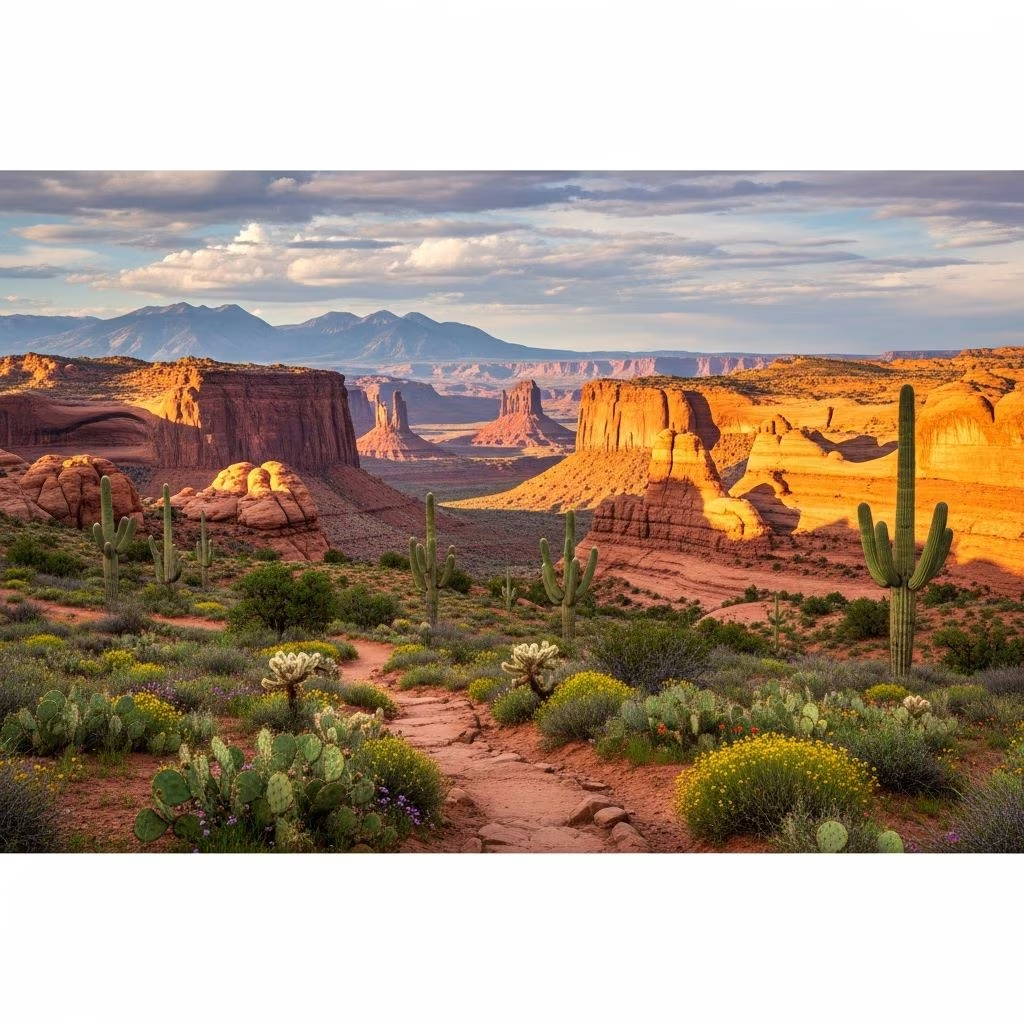
The Southwestern United States represents one of North America’s most spectacular natural regions, featuring dramatic canyons, towering rock formations, and vast desert landscapes that attract millions of visitors annually. A road trip through this region offers an unparalleled opportunity to experience some of the continent’s most iconic geological formations and outdoor recreation opportunities. Whether you’re a seasoned adventurer or a casual traveler, the Southwest provides diverse experiences ranging from challenging backcountry hikes to accessible scenic drives.
Understanding the Southwest Road Trip Landscape
The Southwest encompasses portions of five states: Nevada, Utah, Colorado, New Mexico, and Arizona. This vast region covers approximately 1,500 miles when following the popular “Grand Circle” route, which traces a loop through the area’s most significant natural attractions. The terrain varies dramatically, from high desert plateaus to intricate slot canyons, from ancient petrified forests to soaring natural arches. Understanding the geography and climate of this region is essential for planning a successful journey.
The best time to visit depends on your preferred activities and comfort level with heat. Spring and fall offer mild temperatures ideal for hiking, while summer provides long daylight hours but intense desert heat. Winter visits are possible at lower elevations but may require extra preparation for higher altitude areas.
Major Destinations and Natural Wonders
The Grand Canyon: America’s Geological Icon
No Southwest journey is complete without experiencing the Grand Canyon, one of the world’s most impressive natural formations. This Arizona landmark extends over a mile deep, revealing layers of geological history spanning nearly two billion years. The park encompasses 1,217,403 acres and attracts over 4 million visitors annually.
Visitors have multiple options for experiencing the canyon. The South Rim remains the most accessible, offering numerous overlooks, hiking trails, and ranger-led programs. Popular trails include the Bright Angel Trail, which descends into the canyon, and the Rim Trail, which provides spectacular vistas without significant elevation change. Biking through the canyon offers a unique perspective, while those seeking adventure can attempt backcountry hiking or whitewater rafting on the Colorado River. Park ranger programs provide educational context that enriches the experience beyond standard scenic overlooks.
Zion National Park: Red Rock Majesty
Located in southwestern Utah, Zion National Park showcases towering red cliffs, narrow canyons, and diverse geological formations. The park’s most famous feature is the Narrows, where hikers wade through the Virgin River within a stunning red rock canyon. This experience ranks among the most memorable hiking adventures in North America, and winter visits allow visitors to avoid summer crowds.
The Canyon Overlook Trail provides an accessible yet rewarding experience, offering panoramic views 1,000 feet above Zion Canyon with only one mile of relatively easy hiking. Additional trails cater to various fitness levels, making Zion accessible to visitors with different abilities and experience levels.
Bryce Canyon National Park: Natural Amphitheater of Stone
Bryce Canyon, also in Utah, presents a dramatically different landscape than its larger neighbors. Rather than a canyon carved by water, Bryce features an amphitheater of hoodoos—tall, thin spires of colorful rock. The park’s unique erosion patterns create otherworldly landscapes that shift in color and appearance throughout the day as the sun moves across the sky.
Most visitors experience Bryce as a day trip from Zion, though the park warrants extended exploration. The Rim Trail offers accessible walking paths with spectacular vistas, while more ambitious hikers can descend among the hoodoos for intimate encounters with these geological formations.
Arches National Park: Natural Stone Art
Near Moab, Utah, Arches National Park showcases over 2,000 natural stone arches, making it one of the world’s highest concentrations of this geological feature. Delicate Arch remains the park’s most iconic formation and appears on Utah license plates, drawing photographers worldwide.
The Fiery Furnace hike offers an even more spectacular experience than the more crowded Delicate Arch trail, though it requires a day-use permit obtained at the visitor center, which involves watching a safety video. Devil’s Garden Campground provides camping opportunities within the park, allowing visitors to experience sunrise and sunset in this unique landscape.
Secondary and Emerging Destinations
Beyond the major parks, numerous other attractions enhance a comprehensive Southwest road trip. Page, Arizona, serves as a hub for accessing multiple natural wonders. Horseshoe Bend features a dramatic 270-degree bend in the Colorado River, providing stunning photography opportunities. Antelope Canyon, a series of slot canyons located on Navajo land, showcases incredible colored rock formations and light beams at specific times of day. These narrow passages require guided tours, and advance bookings are essential, particularly for upper canyon visits during peak season.
Mesa Verde National Park preserves remarkable ancient Pueblo cliff dwellings, adding historical and archaeological dimensions to a Southwest journey. The Petrified Forest in Arizona allows visitors to drive through the Painted Desert in approximately one hour, viewing fossilized trees along a scenic route. Capitol Reef National Park in Utah presents unique geological formations and historic structures worth exploring.
Planning Your Itinerary
Quick Overviews for Time-Constrained Travelers
For visitors with limited time, focused itineraries maximize experience efficiency. A seven-day itinerary starting in Las Vegas can encompass Zion, Bryce Canyon, Page, and the Grand Canyon while including compelling secondary attractions. This timeline allows approximately one to two days per major destination, sufficient for experiencing primary attractions and establishing familiarity with each location.
A typical five-day Southwest circuit might include Flagstaff and Sedona (one to three days), Grand Canyon (two days), and Lake Powell (one day), covering 135 miles between Lake Powell and other destinations.
Extended Journeys for Comprehensive Exploration
The complete Grand Circle loop, spanning approximately 1,500 miles across five states, encompasses ten national parks plus numerous national monuments. This extended journey allows deeper exploration of each destination, including backcountry hiking, camping experiences, and interaction with local communities.
A 30-day expedition through Colorado, Utah, and Arizona can incorporate seven national parks, three state parks, and numerous secondary attractions. This timeframe permits flexibility for weather delays, unexpected discoveries, and extended stays at particularly compelling locations.
Lodging and Accommodation Strategies
Southwest accommodations range from luxury resorts to free camping options. Zion National Park parking requires advance planning, with fees ranging from free to approximately $40 per day. Glen Canyon Campground near Page charges $14 per night, offering economical options for budget-conscious travelers. Commercial RV resorts like Oasis RV Resort charge approximately $60 per night.
Cracker Barrel parking lots provide free overnight parking for self-contained vehicles, a valuable resource for road trippers. Traditional hotels in gateway communities like Flagstaff, Sedona, and Las Vegas offer varying price points accommodating different budgets. Booking accommodations well in advance during peak season ensures availability and potentially better rates.
Recreational Activities Beyond Hiking
Water-Based Adventures
The Colorado River provides whitewater rafting opportunities in several locations throughout the Southwest. Float trips vary from calm scenic floats to challenging rapids, accommodating different experience levels and comfort thresholds. Lake Powell offers boating, fishing, and water sports, providing relief from intense desert heat.
Rock Climbing and Bouldering
The Southwest offers world-class climbing opportunities. Sedona, particularly around areas like the Pit climbing gym and outdoor formations, attracts climbers internationally. Jack’s Canyon near Winslow provides limestone sport climbing routes and BLM camping, though high-clearance vehicles may be necessary for access. Big Bend Campground near Moab offers bouldering opportunities alongside camping facilities.
Photography and Scenic Drives
The region’s dramatic landscapes provide endless photography opportunities. Desert View Drive and Hermit Road near the Grand Canyon offer scenic routes with multiple overlooks. Monument Valley requires high-clearance vehicles for backcountry routes, though guided tours provide alternative access. Winslow, Arizona offers iconic photo opportunities, including the famous “standing on the corner” location.
Practical Considerations and Preparation
Vehicle Requirements
Standard vehicles suffice for primary highways and main park roads. However, exploring secondary attractions like Monument Valley and certain BLM camping areas benefits from high-clearance vehicles, with some locations requiring four-wheel drive capabilities. Consider vehicle maintenance before departure and carry emergency supplies appropriate to desert conditions.
Environmental Conditions and Safety
Desert hiking requires careful preparation. Carry abundant water—far more than you anticipate needing, as dehydration poses serious risks in arid climates. Weather in high desert elevations changes rapidly; morning temperatures may differ significantly from afternoon conditions. Inform others of your hiking plans and expected return times, and consider hiking with partners when attempting challenging routes.
Permits and Reservations
Popular attractions like Upper Antelope Canyon’s guided tours sell out months in advance during peak season, requiring advance bookings. Certain hiking experiences, like the Fiery Furnace at Arches, require day-use permits. Plan accordingly and research permit requirements before arrival.
Regional Highlights and Gateway Cities
Flagstaff and Sedona
These Arizona communities provide excellent bases for exploring regional attractions. Flagstaff offers access to lava tubes and serves as a launching point for Sedona exploration. Sedona’s red rock formations provide hiking opportunities, including the Soldier Pass and Brins Mesa Loop, featuring Seven Sacred Pools and seven miles of stunning scenery. The Courthouse Butte and Bell Rock Loop offers a 3.7-mile path around impressive formations, providing easier access than backcountry routes.
Moab and Arches Gateway
Moab serves as the primary gateway to Arches and Dead Horse Point. The town provides climbing resources, outdoor outfitters, and dining options. Potash Road offers climbing opportunities, while the Colorado River supports float trips and outdoor recreation.
Las Vegas Regional Hub
Las Vegas functions as a major road trip starting and ending point, providing abundant lodging, dining, and services. The city’s central location within the Southwest region allows efficient routing to multiple national parks.
Dining and Local Cuisine
Southwest communities offer diverse dining experiences. Page, Arizona features Big John’s Texas BBQ for barbecue enthusiasts, El Tapatio for Mexican cuisine, Slackers for casual burgers, and State 48 Tavern for regional beers and American fare. Flagstaff areas include Pita Jungle, favored by road trippers in the Phoenix region. Research local options in advance and consider dining hours in smaller communities, which may differ from urban expectations.
Frequently Asked Questions
What is the best time to visit the Southwest?
Spring (March-May) and fall (September-November) offer ideal conditions with moderate temperatures and comfortable hiking weather. Summer provides long daylight but extreme heat, while winter is possible at lower elevations but requires extra preparation for higher areas.
How long should I allocate for a comprehensive Southwest road trip?
Seven to ten days allows experiencing major parks with one to two days per destination. Thirty days permits deeper exploration including backcountry hiking and secondary attractions across the full Grand Circle route.
Do I need a high-clearance vehicle?
Standard vehicles access all major national parks and primary roads. High-clearance vehicles enhance exploration of Monument Valley, certain BLM areas, and secondary attractions but aren’t essential for primary destinations.
How much water should I carry while hiking?
Carry significantly more water than expected—at least three liters per person for moderate day hikes, more for longer routes or summer conditions. Desert dehydration develops quickly with serious health consequences.
Can I visit Upper Antelope Canyon without advance reservations?
No. Tours at peak times sell out months in advance, requiring advance bookings. Advance planning is essential for this popular attraction.
Conclusion
The Southwestern United States offers unparalleled natural beauty and recreational opportunities for road trip enthusiasts. From the Grand Canyon’s vast depths to Zion’s towering cliffs, from Bryce’s ethereal hoodoos to Arches’ natural stone formations, the region provides diverse landscapes and experiences. Whether planning a week-long focused journey or a month-long comprehensive exploration, the Southwest rewards careful preparation with unforgettable memories of America’s most dramatic terrain. Begin planning your adventure with consideration of your available time, physical abilities, and specific interests, then customize an itinerary matching your preferences and capabilities.
References
- Southwest National Parks Road Trip Itinerary — Nomads with a Purpose. Accessed 2026. https://www.nomadswithapurpose.com/southwest-national-parks-road-trip/
- 7-Day Southwest National Parks Road Trip Itinerary — Eileen Ivette. Accessed 2026. https://eileenivette.com/7-day-american-southwest-national-parks-road-trip-itinerary/
- 11 Stops When Planning a Southwest National Parks Road Trip — Cruise America. Accessed 2026. https://www.cruiseamerica.com/trip-inspiration/southwest-national-parks-road-trip
- The Ultimate USA Southwest Road Trip Itinerary — Never Ending Voyage. Accessed 2026. https://www.neverendingvoyage.com/usa-southwest-road-trip-itinerary/
- Grand Circle Road Trip: Visit 10 National Parks and More — Visit Four Corners. Accessed 2026. https://visitfourcorners.com/visit-10-national-parks-in-the-unforgettable-grand-circle/

