

 Travel Essentials
 Travel Essentials

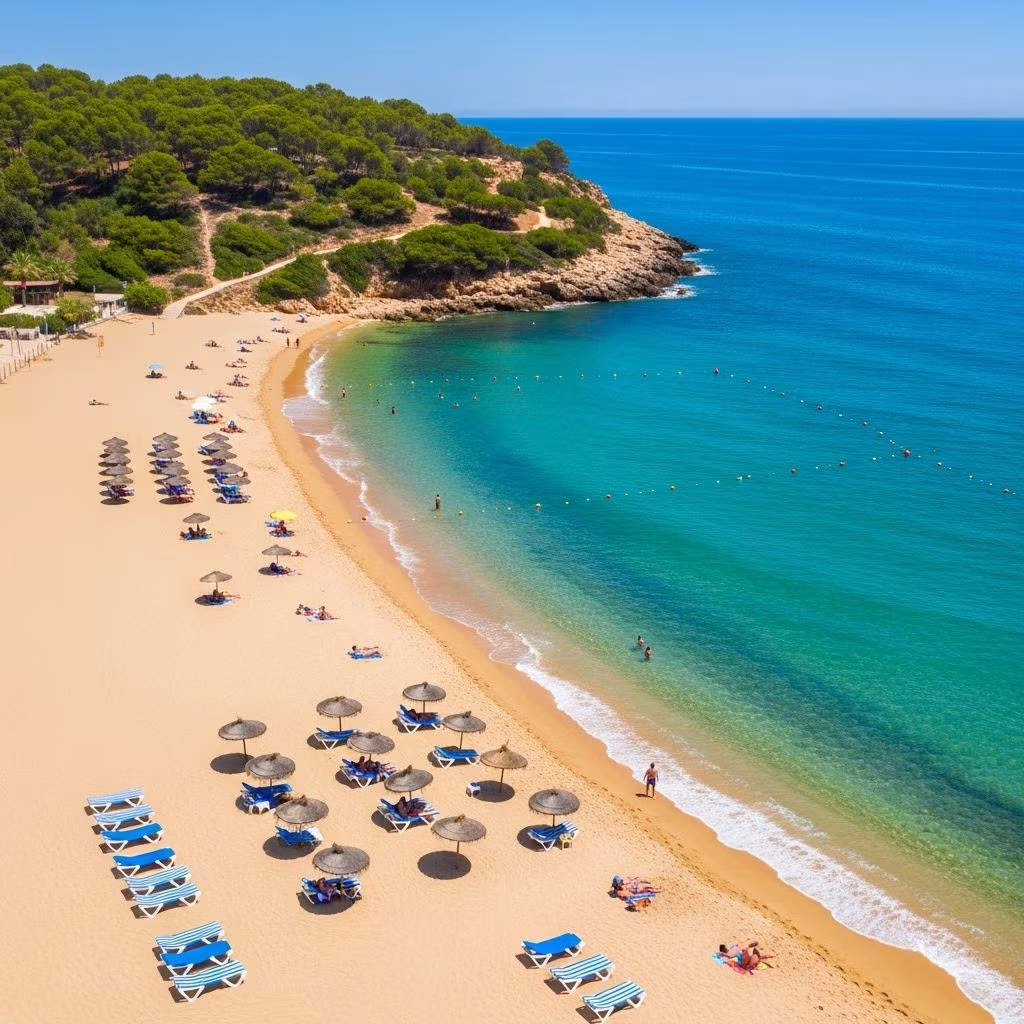
Spain boasts the world's most Blue Flag beaches, exceeding 600 award-winning spots known for cleanliness, safety, and sustainability. Explore top regions and hidden gems.
 Travel Essentials
Spain commands the global spotlight for environmental excellence in coastal tourism, holding the highest number of Blue Flag beaches at over 600. These prestigious awards, granted annually by the Foundation for Environmental Education (FEE), recognize beaches that excel in water quality, safety, environmental management, and educational outreach. From the rugged cliffs of the north to the sunny expanses of the Mediterranean south, Spain’s coastlines showcase unparalleled diversity and commitment to sustainability.
The Blue Flag program sets rigorous standards that beaches must meet to display the iconic blue banner. Key criteria include excellent bathing water quality verified through regular testing, comprehensive safety measures like lifeguards and first-aid stations, and robust environmental practices such as waste management and biodiversity protection. Accessibility for all visitors, including those with disabilities, is also mandatory, alongside informational signage about local ecosystems and conservation efforts.
This holistic approach not only attracts eco-conscious travelers but also fosters long-term preservation of Spain’s 8,000 kilometers of coastline.
Spain’s dominance stems from decades of investment in coastal infrastructure and strict enforcement of environmental regulations. Regional governments, local municipalities, and tourism boards collaborate with the FEE to maintain these standards year after year. In 2025, Spain surpassed all competitors, with numbers climbing steadily due to innovative waste reduction initiatives and marine conservation projects. This leadership reflects a national priority on sustainable tourism, balancing high visitor volumes with ecological integrity.
While Blue Flags dot Spain’s entire perimeter, certain regions stand out for their concentration and variety. Andalusia in the south leads with the highest count, followed closely by Catalonia and the Valencian Community. The Canary and Balearic Islands contribute tropical allure, while northern coasts offer wilder, less crowded options.
| Region | Blue Flag Count (2025) | Key Highlights |
|---|---|---|
| Andalusia | ~120 | Málaga’s urban beaches meet pristine coves in Cádiz; golden sands and vibrant marine life. |
| Catalonia | ~100 | Costa Brava’s dramatic cliffs host secluded bays; Barcelona’s city beaches set urban standards. |
| Valencian Community | ~90 | Alicante and Valencia blend long promenades with dune-backed shores. |
| Canary Islands | ~40 | Black sand volcanoes in Tenerife; white dunes in Fuerteventura. |
| Balearic Islands | ~35 | Mallorca’s turquoise calas; Formentera’s Caribbean-like expanses. |
Andalusia’s Mediterranean and Atlantic shores exemplify Blue Flag perfection. Playa de la Malagueta in Málaga combines urban convenience with meticulous maintenance, featuring boardwalks, showers, and water sports rentals. Further west, the beaches of Costa del Sol like Cabopino stand out for their dune systems protected as natural reserves, where sea turtles nest seasonally. In Cádiz, Bolonia Beach captivates with its Roman ruins overlooking vast sands, maintained to preserve archaeological integrity alongside ecological balance.
These spots offer more than swimming; they provide insights into local marine habitats through interpretive centers and guided eco-tours.
The Costa Brava’s jagged coastline harbors some of Europe’s most picturesque Blue Flag beaches. Cala Aiguablava lives up to its name with deep blue waters lapping fine pebbles, accessible via scenic hikes that discourage mass tourism. Tossa de Mar’s Platja Gran merges medieval castle views with family-friendly facilities, including playgrounds and adaptive equipment for mobility-impaired visitors. Each beach here emphasizes low-impact development, with restrictions on building heights to protect panoramic vistas.
The Valencian coast rivals any Caribbean idyll with its Blue Flag winners. El Saler Beach near Valencia city backs onto the Albufera Natural Park, a Ramsar wetland teeming with birdlife. Visitors can paddleboard through calm waters while learning about rice paddy ecosystems that sustain local paella traditions. Further south, Alicante’s Postiguet Beach thrives amid high-rise backdrops, thanks to rigorous daily cleanups and stormwater management systems preventing pollution runoff.
Spain’s islands elevate Blue Flag standards with unique volcanic and dune landscapes. In Mallorca, Cala Mesquida’s wild dunes form a protected zone where only foot access is permitted, preserving the fragile ecosystem. Formentera’s Ses Illetes mirrors tropical atolls with powdery white sand and shallows perfect for families. The Canary Islands shine with Tenerife’s Playa de las Teresitas, its imported golden sands contrasting black lava cliffs, all upheld by desalination plants ensuring fresh water for rinse stations.
Fuerteventura leads the Canaries with over 20 Blue Flags, including Corralejo’s vast dunes, a windsurfer’s haven with wind farms powering beach facilities sustainably.
To fully enjoy these certified shores, plan around peak seasons (June-August) when lifeguards are on duty. Public transport links many sites, reducing car dependency—opt for buses to Costa Brava coves or ferries to islands. Pack reef-safe sunscreen to protect marine life, and utilize on-site recycling to maintain standards. Many beaches offer free Wi-Fi and apps for real-time water quality updates.
Blue Flag status drives positive change, with Spain’s beaches serving as models for global coastal management. Initiatives like seagrass restoration combat erosion, while plastic-free campaigns have slashed marine debris by 40% in a decade. Looking ahead, climate resilience projects—such as dune reinforcement against rising seas—ensure these treasures endure for generations.
A certification for beaches meeting strict environmental, safety, and accessibility criteria, renewed annually.
Andalusia tops the list with around 120, blending urban and wild coastal experiences.
Yes, all are public with no admission fees; some offer paid loungers or parking.
Water quality is monitored year-round, but swimming is safest May-October when lifeguards patrol.
Spain leads with 600+, followed by Greece and Turkey; no other nation comes close.
