


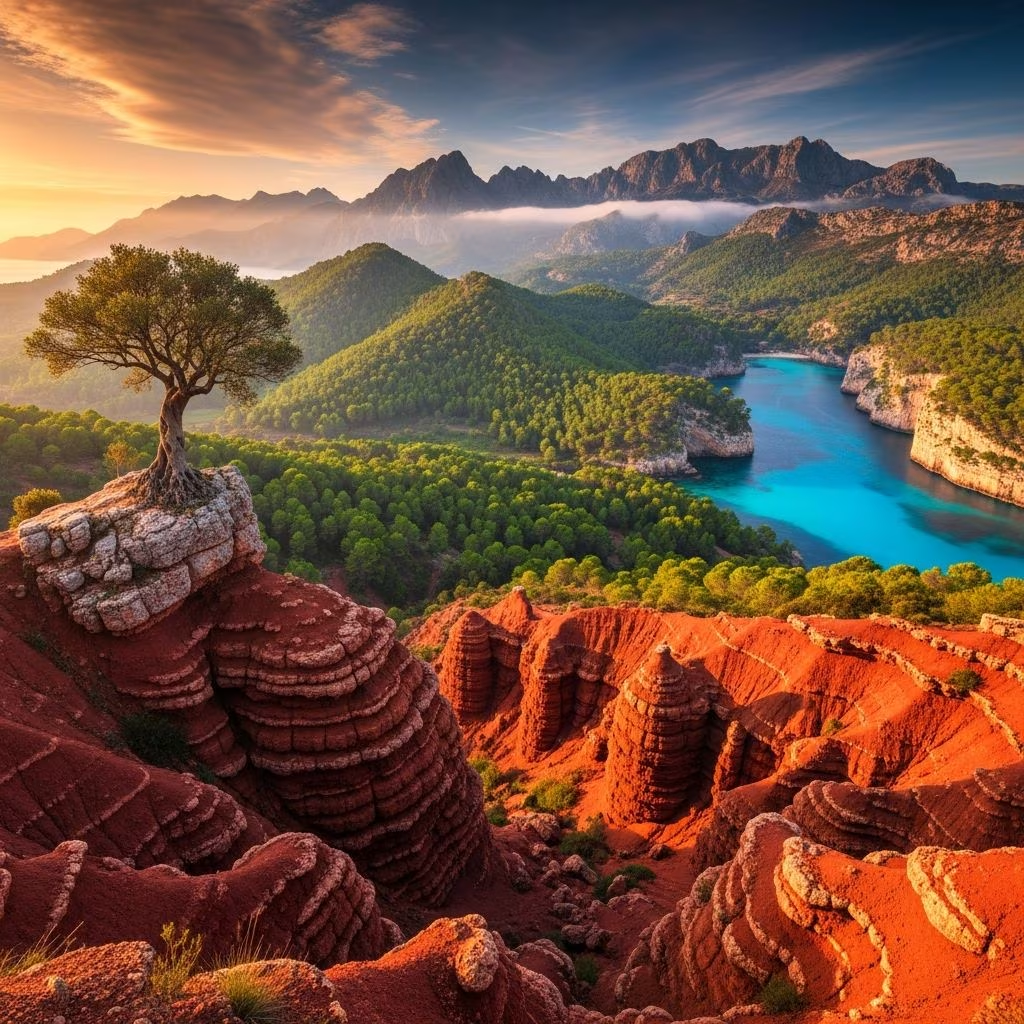
Spain possesses some of Europe’s most impressive natural features, ranging from towering mountain ranges to dramatic coastal formations. The country’s diverse geography creates an exceptional backdrop for adventure and exploration, with protected areas preserving unique ecosystems and geological wonders that have shaped the landscape over millions of years.
Mountain Majesty: The Pyrenees and Beyond
The Pyrenees form a dramatic spine along Spain’s border with France, offering some of the most compelling hiking and mountaineering opportunities in Europe. These mountains create a natural partition between the Iberian Peninsula and the rest of continental Europe, while simultaneously serving as a treasure trove of biodiversity and geological interest.
Within this range lies Parque Nacional de Ordesa y Monte Perdido, a region where ancient glacial forces shaped the landscape into remarkable formations. Approximately 65,000 years ago, massive ice flows descended from Monte Perdido’s summit, carving a U-shaped valley that remains one of Europe’s most photographed natural amphitheaters. The valley floor today showcases verdant beech forests that transform into brilliant autumn hues, while open meadows display abundant wildflower species. The Arazas River descends through the valley in tumultuous cascades, and at the valley’s terminus stands the Cola de Caballo, a dramatic waterfall that appears to defy gravity as it fans outward from the rockface.
Mont Perdido itself reaches 3,355 meters (11,007 feet), marking it as the third-highest peak in the Pyrenees. The region demonstrates remarkable geological complexity, with compacted marine fossils visible within the stone—remnants of a tropical sea that once dominated the entire area. The surrounding landscape includes thick forests of fir and pine, snow-capped peaks, mountain lakes, and high-level glaciers that continue to shape the terrain.
Alpine Lakes and Cascading Waters
Aigüestortes i Estany de Sant Maurici National Park represents Catalonia’s premier protected natural space and claims the distinction of being the region’s only national park. The name translates roughly to “The Winding Streams and St. Maurice Lake National Park,” aptly describing its hydrological character. The park encompasses approximately 40,852 hectares and contains over 200 distinct lakes of varying sizes, each contributing to an intricate network of aquatic ecosystems.
Water dominates every vista within this protected area. Visitors encounter cascading waterfalls, pristine mountain streams, alpine ponds, and numerous swimming holes filled with crystal-clear mountain water. The purity of these waters remains remarkable, with many sources suitable for direct consumption. The landscape presents an ideal environment for wildlife observation, including western Spanish ibex, Eurasian capercaillie, marmots, bearded vultures, and numerous amphibian species such as toads and newts.
The park’s high alpine meadows support rare botanical specimens found nowhere else on Earth. Protected species including Edelweiss and endemic orchids flourish in these elevated environments. The biodiversity reflects the unique ecological conditions created by elevation, climate, and geological substrate. For adventure seekers, the challenging Els Ports trek tests mountaineering skills, while more accessible routes allow families to experience the park’s splendor. Multiple alpine refuges (refugi) provide comfortable overnight accommodation for multi-day expeditions.
Dramatic Limestone Formations and Mountain Ranges
The Picos de Europa constitute Spain’s second-largest national park and showcase some of the country’s most spectacular mountain scenery. Three dramatic limestone massifs jut prominently from the landscape of Cantabria and Asturias, their geological character unique to Spain yet resembling the Alps in formation and composition. These peaks and valleys create a landscape of plunging canyons and towering vertical cliffs that inspire hikers and mountaineers from across Europe.
The limestone composition of these mountains reflects ancient marine deposition, with the rocks containing fossils and mineral formations that tell stories of geological epochs. The rugged terrain supports distinctive flora and fauna adapted to vertical terrain and exposed conditions. Numerous trails of varying difficulty traverse the park, offering options for casual walkers and experienced mountaineers alike.
Volcanic Landscapes and Geothermal Features
Spain’s volcanic regions present an entirely different geological story than the limestone mountains. La Garrotxa in Catalonia encompasses 15,000 hectares containing 38 distinct volcanic cones and over 20 lava outflows. Although the last eruption occurred approximately 11,000 years ago, the volcanoes remain technically active rather than completely dormant.
The underlying volcanic geology creates distinctive soil characteristics—ochreous and black lava—that contrast dramatically with verdant beech forests and lush meadows. This unique combination of geology and vegetation supports over 1,000 plant species within forests dominated by holm oak and beech woodland. The region’s topography and climate create microclimates that foster exceptional biodiversity.
Teide National Park on Tenerife in the Canary Islands represents Spain’s most dramatic volcanic landscape. This UNESCO World Heritage Site features Mount Teide as its centerpiece—Spain’s highest peak. The park encompasses rugged ochre terrain stretching across an expansive vista, with the sapphire-blue Atlantic Ocean becoming visible as visitors ascend the mountain. The volcanic geology creates otherworldly landscapes with distinctive coloration and formation patterns.
Coastal Wonders and Maritime Formations
Spain’s coastlines rival its mountain ranges in scenic splendor. The Atlantic northwest features wildly beautiful cliffs that contrast sharply with the Mediterranean’s charming coves and beaches. The Acantilados de los Gigantes (Cliffs of the Giants) represent particularly dramatic coastal formations, with dark rock faces soaring 600 meters (1,969 feet) directly from the ocean surface. These geological formations create a magnificent spectacle most impressive during sunset hours. The best viewing experiences come from sea-based vantage points accessible via numerous cruise operators, though the natural lookout point at the end of Calle Tabaiba offers exceptional land-based perspectives.
Cap de Creus in Catalonia marks the Pyrenees’ dramatic descent into the Mediterranean, creating a landscape of exceptional beauty protected within a natural park. The dry headland features distinctive wind-eroded rock formations that inspired Salvador Dalí’s artistic vision. The region’s unique geography and artistic significance attract visitors seeking both natural beauty and cultural resonance.
Protected Ecosystems and Biodiversity Hotspots
Parque Nacional Sierra Nevada spans 862 square kilometers and holds the distinction of being Spain’s largest national park. Designated in 1999, this vast protected area contains 2,100 of Spain’s 7,000 plant species, including unique crocus, narcissus, thistle, clover, and poppy varieties. The park provides critical habitat for Andalucía’s largest ibex population, approximately 15,000 individuals that depend on the protected ecosystem.
The Sierra Nevada’s ecological importance extends beyond its boundaries. The surrounding Parque Natural Sierra Nevada encompasses an additional 864 square kilometers at lower elevations, creating a continuous protection zone of approximately 1,726 square kilometers. This extensive preservation framework ensures long-term ecosystem viability.
Additional protected areas including the Parc Natural del Delta de l’Ebre preserve crucial wetland and coastal ecosystems. These reserves support over 400 bird and wildlife species, with beaches, wetlands, and accessible walking trails enabling visitor engagement with natural systems.
Geological Significance and Scientific Value
Spain’s geological diversity reflects complex tectonic and climatic histories. The presence of marine fossils in mountain rocks indicates ancient seas, while glacial formations demonstrate climate fluctuations across geological time periods. Active volcanic regions illustrate ongoing planetary processes, while limestone karst topography showcases dissolution and cave formation phenomena.
These diverse geological features provide outdoor enthusiasts and scientists alike with opportunities to observe and study natural processes. The visible geological record creates educational opportunities and deepens appreciation for landscape formation.
Seasonal Considerations and Visitor Planning
Spain’s natural wonders present different characteristics across seasons. Alpine areas experience snow cover during winter months, making certain trails inaccessible but creating stunning snowy vistas. Spring brings wildflower blooms in alpine meadows, while summer offers optimal hiking conditions with extended daylight hours. Autumn features spectacular forest color changes, particularly in beech-dominated regions. Coastal areas maintain mild conditions year-round, though Atlantic regions experience more variable weather patterns.
Visitor capacity management becomes critical during peak seasons. Early booking of accommodations and permits ensures access to popular destinations. Many parks implement reservation systems for alpine refuges and certain hiking routes.
Accessibility and Activity Options
| Natural Wonder | Primary Activity | Difficulty Level | Best Season |
|---|---|---|---|
| Aigüestortes Lakes | Hiking, Alpine Mountaineering | Moderate to Difficult | June-September |
| Ordesa Valley | Hiking, Wildlife Observation | Moderate | April-October |
| Picos de Europa | Hiking, Rock Climbing | Moderate to Difficult | May-September |
| Teide National Park | Hiking, Volcanic Landscape Tours | Easy to Moderate | September-May |
| Coastal Cliffs | Boat Tours, Coastal Walks | Easy | Year-round |
Conservation Challenges and Protection Efforts
Spain’s natural areas face ongoing challenges from climate change, visitor pressure, and competing land-use demands. National and regional park management agencies implement conservation protocols to protect vulnerable ecosystems and geological formations. Sustainable tourism practices, including visitor quotas and trail maintenance programs, balance recreational access with environmental preservation.
Protected plant species including Edelweiss remain legally protected due to their rarity and vulnerability. Habitat restoration projects work to recover populations of endangered animals and restore degraded ecosystems.
Cultural Integration with Natural Landscapes
Many natural areas contain cultural elements that enhance visitor experiences. Historic monasteries like Santa Maria de Montserrat occupy dramatic mountain settings, while ancient cave systems preserve evidence of human habitation spanning millennia. These cultural elements add dimensional richness to natural wonder experiences.
Planning Your Natural Wonder Exploration
- Research permit requirements – Many parks require advance reservations for accommodations and certain activities
- Check weather conditions – Mountain weather changes rapidly; proper preparation ensures safety
- Obtain topographic maps – Detailed maps enhance navigation and enjoyment of scenic routes
- Book accommodations early – Alpine refuges and popular hotels fill quickly during peak seasons
- Consider guided services – Professional guides offer expertise, safety, and interpretation services
- Verify trail conditions – Snow, rockfall, or maintenance may affect trail accessibility
Frequently Asked Questions
What is the best time to visit Spain’s mountain regions?
Summer months (June through September) offer optimal conditions with accessible trails, established accommodations, and extended daylight hours. However, spring provides excellent wildflower viewing, while autumn showcases spectacular forest colors with fewer crowds.
Do I need special permits to hike in Spain’s national parks?
Most parks allow free day-use access on established trails. However, backcountry camping, alpine refuge stays, and certain popular routes may require reservations or permits obtained through park management offices.
Are these areas suitable for families with children?
Many areas offer family-friendly options. Coastal walks, valley floor trails, and established park roads provide accessible experiences. More challenging alpine routes suit experienced hikers and mountaineers.
What wildlife might I encounter?
Spain’s protected areas host ibex, marmots, bearded vultures, and various bird species. While wildlife viewing cannot be guaranteed, patient observation in appropriate habitats increases chances of sightings.
Can I visit multiple natural wonders in one trip?
Geographic proximity allows logical routing. Many visitors combine Pyrenees destinations with Mediterranean coastal areas or incorporate multiple mountain ranges into extended itineraries.
References
- Lonely Planet – Spain’s 10 Natural Wonders — Lonely Planet. Retrieved April 22, 2026. https://www.lonelyplanet.com/articles/spain-natural-wonders
- Nature in Spain – 15 Incredible Natural Landscapes in Spain — Curiosity Saves Travel. Retrieved April 22, 2026. https://curiositysavestravel.com/nature-in-spain-best-natural-wonders-in-spain/
- 22 Unusual Natural Wonders in Spain — Atlas Obscura. Retrieved April 22, 2026. https://www.atlasobscura.com/things-to-do/spain/natural-wonders
- Beautiful Spain: 7 Wonders from the Pyrenees to Andalucia — Pura Aventura. Retrieved April 22, 2026. https://pura-aventura.com/travel-blog/spain-is-beautiful-7-wonders
- 13 Incredible Ways to Experience Spain’s Nature — Celebrity Cruises. Retrieved April 22, 2026. https://www.celebritycruises.com/blog/nature-in-spain

