

 Travel Essentials
 Travel Essentials

Explore Spokane's renowned lilac gardens, festivals, and spring traditions. Immerse in fragrant blooms at Manito Park and join community events that celebrate this floral heritage.
 Travel Essentials
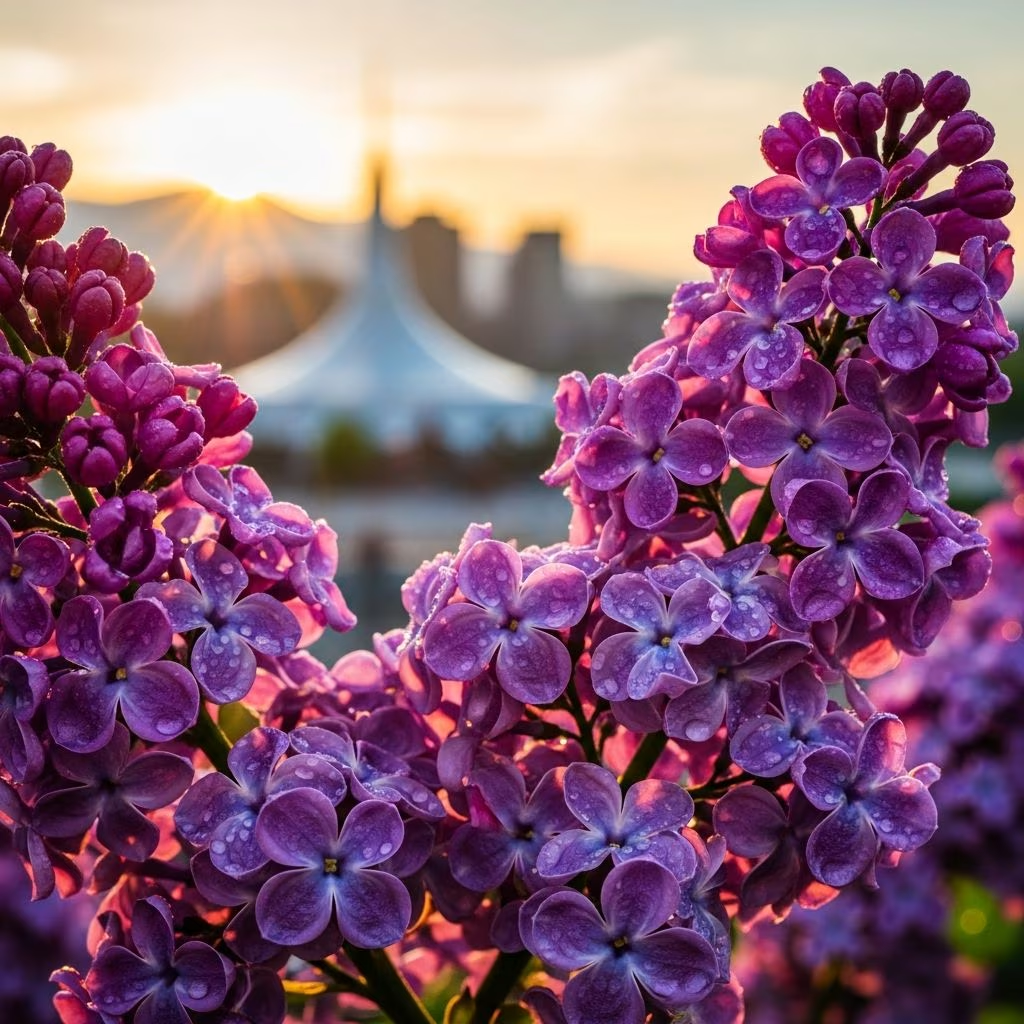
Every spring, the city of Spokane transforms into a sea of purple, pink, and white as lilacs burst into bloom, earning its cherished nickname, the Lilac City. This natural spectacle draws visitors from across the region to wander through fragrant gardens, participate in lively festivals, and soak in a tradition that spans over a century. Nestled in eastern Washington, Spokane’s lilac heritage offers a perfect blend of history, nature, and community spirit, making it an ideal destination for flower enthusiasts and casual travelers alike.
The story of Spokane’s lilacs begins in the late 19th century when early settlers brought small rooted plants from their homelands, planting them as reminders of distant gardens. By 1906, city founder J.J. Browne planted two lilac bushes in his Browne’s Addition yard, marking one of the first documented plantings. Momentum built rapidly; in 1912, Spokane Parks Director John W. Duncan introduced 128 lilac cultivars from Rochester, New York, to Manito Park, laying the foundation for what would become a world-class lilac collection.
Community leaders amplified this effort in the 1930s, urging residents to fill their yards with lilacs. The Spokane Floral Association, formed in 1896 as Washington’s first garden club, collaborated with others to lobby for official recognition as the Lilac City. This grassroots movement turned personal gardens into a citywide floral tapestry, setting the stage for enduring traditions.
At the epicenter of Spokane’s lilac fame lies Manito Park’s Lilac Garden, home to over 100 named cultivars from 23 distinct species—one of the West’s most significant collections. Spanning vibrant hues from deep violet to soft lavender, blush pink, and creamy white, the garden delivers a multisensory delight with intoxicating aromas that waft through the air from late April to late June, peaking in late May.
Visitors can stroll shaded paths amid mature bushes, some dating back to Duncan’s original planting. The garden’s diversity showcases rare varieties, each blooming at slightly different times to extend the season. It’s a serene spot for picnics, photography, or quiet reflection, though rules protect the blooms: no cutting flowers, and weddings require reservations via 509.363.5455 or parkopsreservations@spokanecity.org.
| Bloom Period | Highlights |
|---|---|
| Late April | Early varieties emerge with subtle scents. |
| Mid-May (Peak) | Full explosion of color post-Bloomsday. |
| Early June | Late-blooming cultivars extend the show. |
To catch lilacs at their finest, plan for mid-May to early June, aligning with warmer days and longer sunlight. Blooms typically follow the famed Bloomsday Run, a 12K event that kicks off spring. Check my.spokanecity.org/parks for updates, as weather can shift timings slightly. Spring’s mild climate in Spokane, with Spokane Falls swelling from snowmelt, enhances the vibrant backdrop.
Pro tip: Weekdays offer fewer crowds, allowing intimate encounters with the blooms. Pair your visit with nearby Manito attractions like the Duncan Garden rose displays or Japanese Garden for a full-day floral immersion.
No Lilac City visit is complete without the annual Spokane Lilac Festival, a week-long event over 80 years strong that honors military families and local talent. Kicking off in early May, it features parades, live music, food vendors, and artisan markets, culminating in the grand Armed Forces Torchlight Parade with marching bands, floats, and illuminated displays.
The festival weaves lilac themes throughout, from decorated streets to bloom-inspired crafts. It’s a family-friendly affair that showcases Spokane’s inclusive spirit, with events empowering youth through scholarships and performances. In 2026, expect fresh iterations building on traditions—mark your calendar via visitspokane.com.
Spring in Spokane pulses with energy beyond lilacs. The Bloomsday Run, held the first Sunday in May since 1977, draws 50,000 runners along a scenic route past blooming neighborhoods. Post-race, head to Manito Park as lilacs hit stride, creating a seamless transition from athletic feat to floral feast.
Other highlights include the MAC Artfest in late May, one of Washington’s largest art fairs hosted by the Northwest Museum of Arts and Culture, featuring 200+ artists amid spring greenery. These events compound Spokane’s appeal, blending physical challenge, cultural expression, and natural beauty.
Spokane’s compact layout makes exploring easy. Fly into Geiger Field (GEG), rent a car, or use rideshares to reach Manito Park, about 10 minutes from downtown. Entry is free; ample parking available. Pack layers for variable spring weather, comfortable shoes for walking, and a camera for Instagram-worthy shots.
Stay nearby at eco-friendly hotels or Airbnbs in South Hill. Dine on local fare like huckleberry pastries or craft brews at post-event gatherings. For accessibility, paths are mostly paved, with benches for resting.
While Manito steals the show, lilacs pepper Spokane. Wander Browne’s Addition for historic homes framed by mature bushes. Community gardens and neighborhoods burst with private plantings, a testament to the 1930s campaign. Visit Deep Well Park or local nurseries for cultivars to take home—extend the Lilac City magic to your yard.
Botanical fans can join guided tours (seasonal) or volunteer with Associated Garden Clubs of Spokane, preserving this legacy.
What elevates Spokane’s lilacs? Their sheer scale, historical depth, and integration into city life. From sensory immersion in Manito’s garden to festival euphoria, it’s a reminder of nature’s power to unite. Whether you’re a botanist noting Syringa vulgaris hybrids or a first-timer inhaling sweet perfume, Spokane delivers authentic spring joy.
Lilacs bloom from late April to early June, peaking in late May after Bloomsday.
Yes, admission is free year-round.
Bloomsday Run, Lilac Festival, and MAC Artfest.
Weddings require reservations; contact 509.363.5455.
Through early plantings, garden clubs, and festivals starting in the early 1900s.
