

 Travel Essentials
 Travel Essentials

Discover essential carry-on packing tips for spring European travel, from footwear selection to luggage strategies that maximize comfort and minimize hassle.
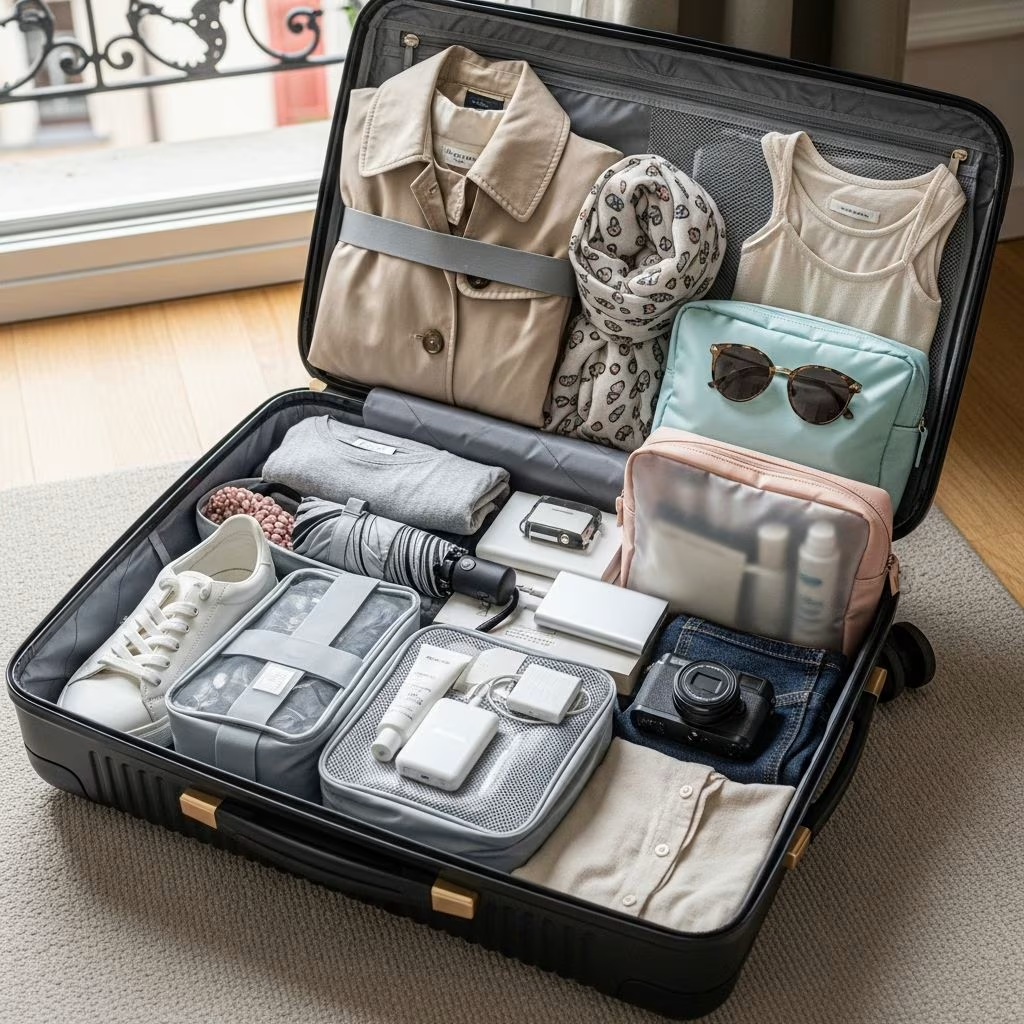 Travel Essentials
Spring represents one of the most appealing times to explore Europe, with pleasant weather and fewer crowds than summer months. However, many travelers arrive at the airport unprepared, weighed down by overstuffed luggage that complicates their journey through train stations, cobblestone streets, and compact European accommodations. The key to enjoying your European escape lies not in what you bring, but in making intentional choices about what to pack.
Traveling with only a carry-on suitcase fundamentally transforms your European experience. You eliminate the waiting time at baggage claim, avoid the anxiety of potential lost luggage, and gain the freedom to move quickly between cities without dragging heavy bags through train stations and airport terminals. This mobility becomes especially valuable when hopping between multiple destinations across different countries.
The psychological benefit matters too. Lighter packing forces you to be intentional about every item, reducing decision fatigue and creating a more streamlined travel experience. Rather than obsessing over outfit combinations, you focus on enjoying the present moment—whether that’s savoring espresso at a Parisian café or admiring Renaissance architecture in Florence.
Your shoe selection represents perhaps the most consequential packing decision for European spring travel. Unlike domestic trips where you might drive between destinations, European cities demand extensive walking. Historic city centers feature narrow, uneven cobblestone streets that have challenged pedestrians for centuries. Spring weather can be unpredictable, with wet surfaces making treacherous conditions for inappropriate footwear.
Bring exactly two pairs of shoes that you’ve already tested extensively at home. Your first option should be a broken-in, low-profile sneaker—not a brand-new shoe that might cause blisters during your first day exploring Rome’s ancient streets. Your second pair should provide different support options for varying situations. Consider ankle boots, supportive loafers, or structured walking boots that transition from daytime exploration to evening activities.
The allure of fashionable heels or trendy wedges must be resisted. European nights rarely require formal footwear except for actual special events or upscale dining, and even then, polished flats or loafers work beautifully with European style sensibilities. The reality is that your comfortable walking shoes will be appropriate for nearly every situation you encounter.
The concept of a capsule wardrobe—a carefully curated collection of versatile, mix-and-match pieces—becomes your greatest packing ally. Rather than bringing one outfit for each day of travel, focus on neutral pieces that create multiple combinations. For a ten-day trip, plan for only five to seven distinct outfit combinations, with the flexibility to rewear items throughout your journey.
Begin with a foundation of basics:
Select fabrics that breathe naturally and resist wrinkling—cotton, linen blends, and merino wool represent excellent choices for European spring conditions. Avoid heavy, bulky sweaters and scarves that consume excessive luggage space without proportional utility. A single lightweight scarf provides styling flexibility and emergency warmth without the volume penalty of larger alternatives.
Spring in Europe presents unpredictable weather patterns. While Mediterranean regions enjoy sunshine, northern European cities still experience chilly mornings and cool evenings. Rather than overpacking heavy winter items, embrace layering strategies that maximize limited wardrobe space.
A lightweight, packable umbrella serves multiple purposes—protection from spring showers, shade from unexpected sun, and remarkably efficient use of luggage space. Many travelers purchase umbrellas locally upon arrival, but packing a compact option provides immediate reassurance during your first days exploring unfamiliar cities.
The practice of wearing your heaviest items during travel provides dual benefits. Boarding the plane in your walking sneakers, jeans, and light jacket saves substantial suitcase space while providing practical comfort during flights that often maintain surprisingly cold cabin temperatures.
A psychological shift separates successful light packers from those struggling with overstuffed luggage: accepting that you’ll rewear clothing during your travels. This practice isn’t indicative of poor hygiene—it’s standard among sophisticated European travelers who maintain smaller wardrobes than Americans typically maintain.
European hotels rarely provide in-room laundry facilities. While some establishments offer paid laundry services, relying on this infrastructure complicates trip planning. Instead, embrace the reality that you’ll wear your jeans multiple times, rotate between your neutral tops, and repeat outfit combinations strategically.
For emergencies—a gelato spill on day two, for instance—pack small sink-wash detergent packets that allow quick refreshing of items. Most hotels provide adequate sink access, and spring weather ensures rapid air-drying for lightweight fabrics.
Beyond clothing, strategic accessory selection enhances both style and functionality. A leather crossbody bag provides the perfect balance between security and accessibility. European pickpocketing remains a genuine concern in crowded tourist areas, making bags without secure closures problematic choices. Avoid trendy tote bags that tempt pickpockets and opt instead for structured bags with reliable zippers.
Pack practical socks and undergarments appropriate for your trip duration, remembering that frequent rewearing and occasional sink-washing will extend your supplies. Bring basic medications, any prescription items, and essential toiletries—though recognizing that European pharmacies and shops stock most conveniences reduces the need for extensive first-aid kits.
Successful carry-on packing requires deliberate choices about what not to include. Beach towels, regardless of your coastal destination plans, should remain unpacked. Accommodations universally provide towels, making this bulky item an unnecessary space consumer. Similarly, gym clothes serve limited purpose unless you’re specifically planning workout sessions at your hotel.
Avoid flip-flops except for beach-specific activities, and leave behind overly flashy accessories that conflict with European style sensibilities. European fashion tends toward understated elegance and practical sophistication rather than bold statement pieces. High-visibility athletic wear, casual loungewear, and bulky outerwear designed for climates warmer or colder than spring Europe similarly warrant exclusion.
The temptation to pack for hypothetical situations—fancy dresses for fancy dinners that might not occur, formal accessories for events you haven’t confirmed—represents a primary packing mistake. Pack only for the activities you’ve actually planned.
Efficient packing methods dramatically expand your carry-on capacity. The 4×4 rule—four pairs of bottoms, four tops, and layering pieces that combine in different ways—creates a framework for decision-making. Rolling clothes rather than folding creates more compact arrangements and reduces wrinkles compared to traditional folding methods.
Arrange heavier items at the suitcase base, lighter items on top, and flat items like flats or your laptop in outer pockets as final additions. This structural approach prevents items from shifting during travel and maintains luggage balance when racing between train platforms.
Take a digital photograph of your packed suitcase before departure. This documentation serves practical purposes if your luggage requires gate-checking—you’ll have photographic evidence of contents for insurance purposes should items go missing.
Current TSA and international carry-on regulations maintain standard dimensions of 22×14×9 inches for most U.S. carriers. The 3-1-1 liquids rule remains unchanged—containers holding maximum 3.4 ounces in a single quart-sized bag. Enforcement has become stricter regarding sizing compliance, making genuine compliance essential rather than optional.
Pack toiletries and liquids into your compliant clear bag, placing this at the top of your carry-on for efficient security screening. Remember that European security standards, while generally aligned with U.S. regulations, sometimes feature variations depending on your specific departure country.
While these guidelines provide a framework, individual circumstances warrant adjustments. Women might incorporate slightly different bottoms or styling preferences than outlined above. Travelers with specific professional needs or particular climate sensitivities should modify accordingly. The underlying principle remains consistent: every item should earn its place through versatility and utility.
Consider your specific itinerary—beach destinations might warrant slightly different shoe choices than mountain regions, though the fundamental principles of comfort and tested wear remain universally applicable.
With proper capsule wardrobe planning and rewearing acceptance, most travelers successfully navigate ten to fourteen days with only carry-on luggage. Extended trips require either laundry infrastructure access or periodic luggage storage at home bases.
Absolutely. European shopping, particularly in spring markets and local boutiques, provides opportunities to expand your wardrobe during travel. Many experienced travelers deliberately pack minimally, knowing they’ll purchase items during their journey.
Pack one versatile dress that transitions from casual to semi-formal with accessory changes. Choose fabrics that resist wrinkling and styles that coordinate with your basic pieces. For truly formal events, most European cities offer evening wear rental services.
Yes, hair dryers and straighteners are permitted in carry-on luggage, though European electrical systems operate on different voltage, requiring either dual-voltage tools or country-specific adapters.
Layering and versatile pieces handle most spring variations. Pack one lightweight jacket that works across temperature ranges, combine with scarves and sweaters for warmth adjustment, and embrace European fashion’s inherent sophistication in mixing layers.
