

 Travel Essentials
 Travel Essentials

Sri Lanka earns the top spot for affordable retirement in 2026 per International Living's index, offering beach villas, healthcare, and visas on a modest budget.
 Travel Essentials
Sri Lanka has emerged as the premier destination for cost-conscious retirees seeking a high-quality lifestyle without breaking the bank. According to recent analyses from reputable publications, this island nation offers an unbeatable combination of low living expenses, stunning natural beauty, and straightforward residency options for those planning their golden years.
The recognition stems from International Living’s 2026 Global Retirement Index, which evaluates destinations based on key factors like affordability, climate, healthcare access, visa policies, and overall lifestyle appeal. Sri Lanka secured the number one position specifically for its exceptional value in daily living costs, outshining competitors worldwide.
Retirees can maintain a luxurious lifestyle—including beachfront villa rentals, groceries, utilities, transportation, and leisure activities—for as little as $2,200 per month for a couple. With careful budgeting, this figure drops to around $1,000, making it accessible for modest pensions or savings.
Understanding the cost structure is crucial for prospective retirees. Here’s a detailed look at typical expenditures:
| Category | Monthly Cost (USD for Couple) | Notes |
|---|---|---|
| Housing (Beach Villa) | 800–1,200 | Includes utilities in many cases |
| Groceries & Dining | 400–600 | Mix of home cooking and eating out |
| Transport | 100–200 | Public + occasional taxis |
| Healthcare/Insurance | 100–200 | Private coverage recommended |
| Leisure/Misc. | 200–400 | Travel, hobbies, entertainment |
| Total | 1,600–2,600 | Luxury on $2,200 avg. |
This table illustrates how expenses align to fit within the reported $2,200 benchmark, leaving room for travel or savings.
Sri Lanka’s immigration policies cater directly to retirees. The Retirement Visa allows individuals over 55 to reside long-term with proof of a $15,000 annual pension or deposit. Requirements are straightforward: a clean criminal record, medical insurance, and financial stability. Extensions are routine, often leading to permanent residency after five years.
Unlike more bureaucratic nations, processing times are short—typically 1–2 weeks—and fees are nominal ($100–$200). Digital nomads and part-time workers also benefit from extended tourist visas up to 180 days, with easy renewals.
Sri Lanka boasts a dual healthcare system: public facilities free for citizens and private clinics rivaling those in developed countries. Major hospitals in Colombo and Kandy feature English-speaking doctors trained abroad, with advanced diagnostics like MRIs costing $100–$300 versus thousands elsewhere.
Preventive care, dental work, and elective procedures are particularly affordable. International health insurance plans start at $100/month for comprehensive coverage, ensuring peace of mind for expats.
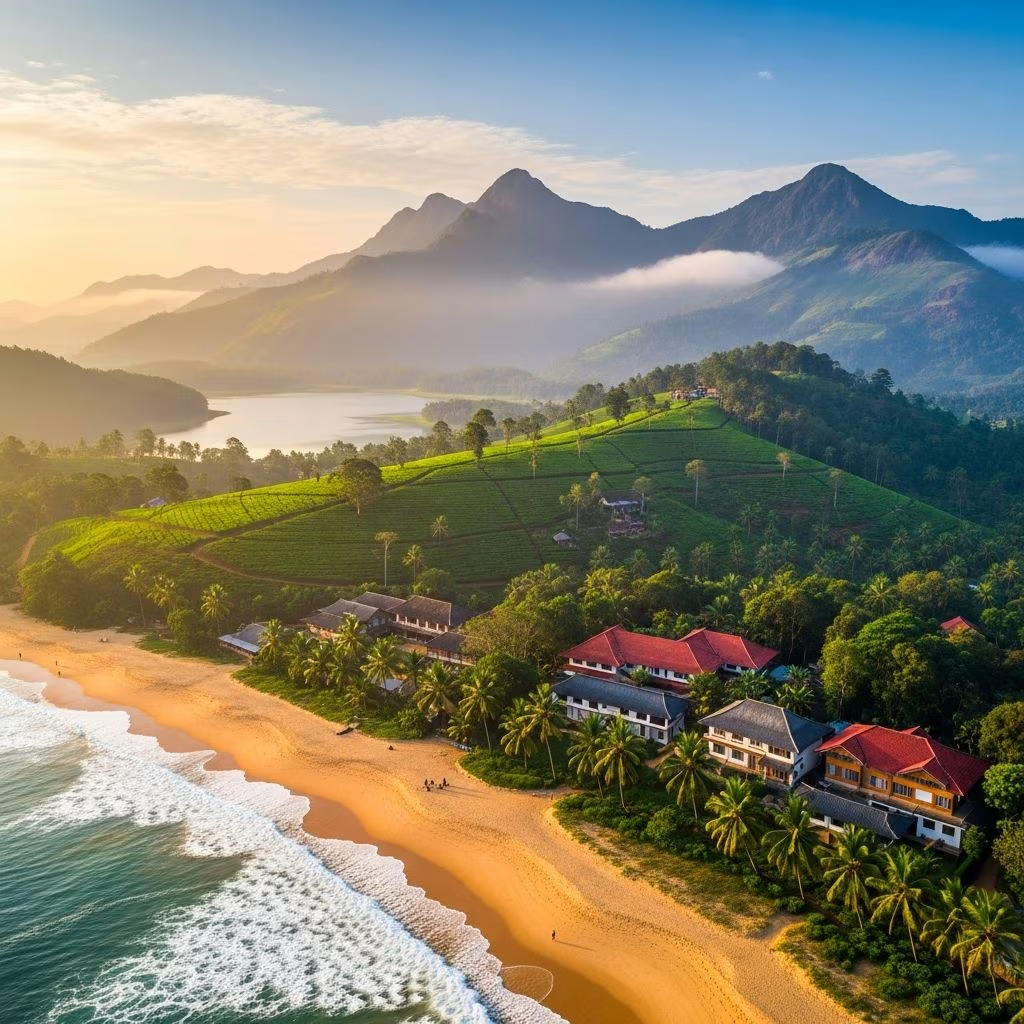
Beyond affordability, Sri Lanka captivates with diverse experiences. The southern coast offers pristine beaches for whale watching and surfing, while the central highlands provide cool tea plantations and hiking in misty forests. Ancient ruins like Sigiriya and cultural festivals add depth to daily life.
English is widely spoken in tourist areas, fostering easy integration. A vibrant expat community in places like Hikkaduwa hosts social clubs, markets, and wellness retreats.
Tropical weather prevails year-round, with southwest monsoons (May–September) bringing rain to coastal south, ideal for northeast exploration. Dry seasons (December–March) are perfect for beach living. Temperatures hover at 77–86°F (25–30°C), supporting an outdoor lifestyle.
No paradise is perfect. Occasional power outages require backups, and traffic in Colombo can frustrate. Political stability has improved post-2022, but monitoring advisories is wise. Tips for success:
Sri Lanka edges out contenders like Portugal, Mexico, and Thailand in pure affordability. While Portugal offers EU access at higher costs ($3,000+/month), Sri Lanka delivers similar beach vibes cheaper. Mexico provides variety but faces safety concerns in spots.
Yes, tourist areas are generally safe, with low crime rates against foreigners. Stick to well-traveled zones and use common sense.
Around $15,000 annually from pension or investments, verifiable via bank statements.
No, it’s for non-working retirees, but business ownership is possible with approvals.
Reliable fiber optic averages 50–100 Mbps in cities; 4G covers rural areas well.
Yes, with veterinary certificates and quarantine compliance.
Sri Lanka’s blend of affordability, beauty, and convenience positions it as the ultimate 2026 retirement choice. As global costs rise, this gem offers enduring value for a fulfilling post-career life.
