

 Travel Essentials
 Travel Essentials

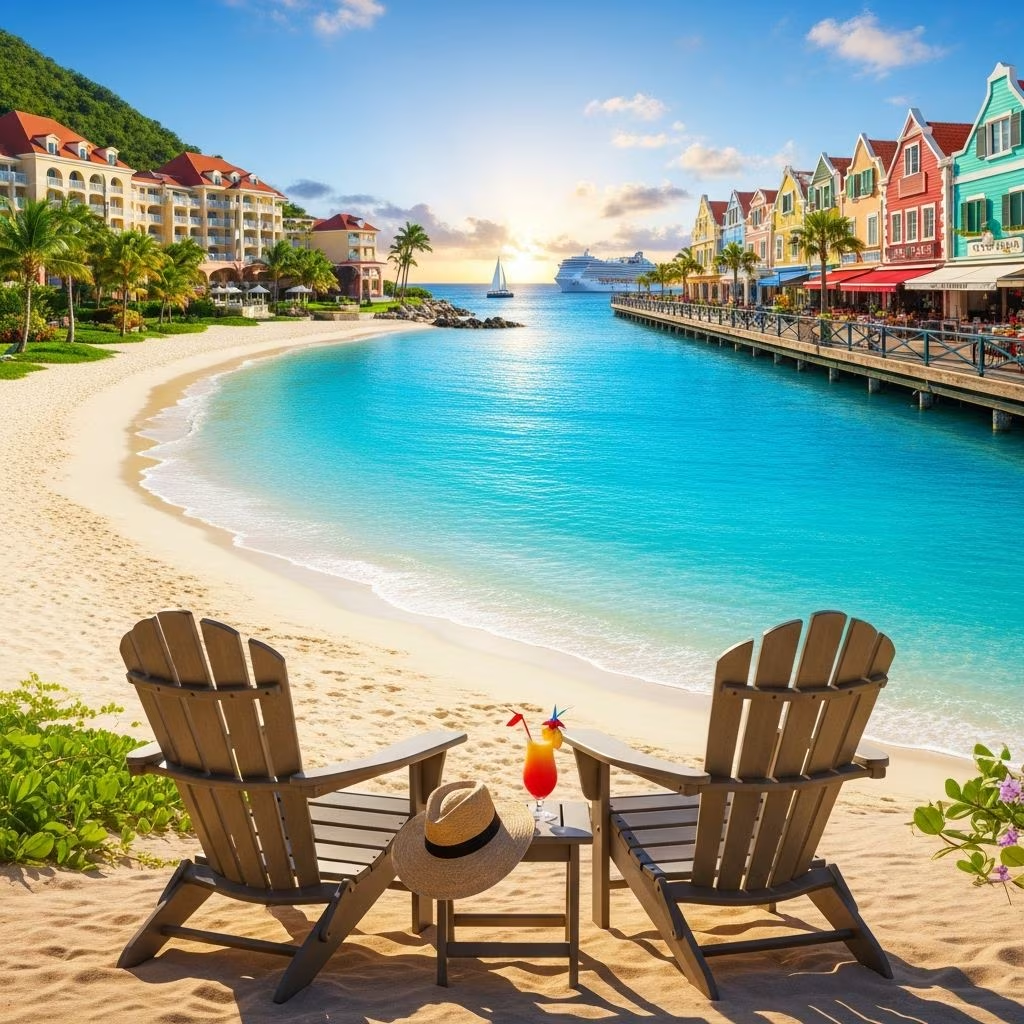
Explore St. Martin/Sint Maarten: beaches, local cuisine, outdoor activities, and vibrant culture across two nations on one island.
 Travel Essentials
Nestled in the heart of the Eastern Caribbean, St. Martin and Sint Maarten represent a remarkable geographical and cultural anomaly. This singular island is divided between two sovereign nations—France and the Netherlands—creating a fascinating dual-nation destination that appeals to travelers seeking diversity within a compact tropical setting. Known colloquially as “the Europe of the Caribbean,” this 37-beach paradise offers an exceptional blend of European sophistication, Caribbean warmth, and authentic local experiences that distinguish it from other island destinations in the region.
The division of St. Martin and Sint Maarten creates two distinct yet complementary experiences for visitors. The French side maintains a leisurely, sophisticated European atmosphere with influences from contemporary French culture, manifested through upscale dining establishments, boutique shopping venues, and refined architectural heritage. The Dutch side, conversely, embraces a more cosmopolitan and energetic vibe, characterized by lively entertainment venues, duty-free commerce, and a diverse international population.
This duality means that within a short drive, travelers can experience dramatically different cultural environments, culinary traditions, and entertainment options. The island encompasses mountainous terrain rising to Pic Paradis, the highest elevation point, alongside pristine coastal areas that ring the entire perimeter. The strategic position between the Atlantic Ocean and Caribbean Sea, combined with its year-round tropical climate, establishes St. Martin and Sint Maarten as an accessible yet exotic vacation destination.
Planning your St. Martin and Sint Maarten experience requires understanding seasonal variations and their impact on your journey. The December through April period represents peak tourist season, offering stable weather conditions, comfortable temperatures, and a vibrant social calendar. However, this popularity translates to elevated accommodation costs and crowded attractions.
Alternatively, the May through August window provides substantial financial savings and reduced crowds, though visitors must contend with higher humidity levels and occasional rainfall. This period aligns with the Caribbean’s warm season and precedes the Atlantic hurricane season, which typically begins in June.
Most travel specialists recommend allocating two to three days for a meaningful experience. This timeframe permits exploration of major attractions, cultural sites, and dining venues across both sides of the island without excessive travel fatigue. First-time visitors should prioritize a balance of relaxation, cultural immersion, and adventure activities.
Transportation presents a significant consideration for island navigation. The local bus infrastructure, while functional for residents, lacks the organization and route clarity necessary for tourist utilization. Several transportation approaches cater to different travel styles:
The island’s compact dimensions—approximately 37 square miles—mean that most attractions remain accessible within 30-45 minutes of driving from central locations. Visitors should note that traffic congestion occurs during typical commute hours in urban centers.
St. Martin and Sint Maarten deserve recognition as a premier Caribbean culinary destination. The island’s bifurcated governance structure has cultivated exceptional gastronomic diversity reflecting French, Dutch, and Caribbean influences.
The Grand Case neighborhood on the French side functions as an informal gastronomic quarter, featuring beachfront establishments ranging from casual lolos—open-air food shacks serving authentic local fare—to refined fine-dining restaurants. This area exemplifies how the island seamlessly blends casual street cuisine with sophisticated gastronomy.
Traditional local specialties include johnny cakes, conch fritters, and seafood preparations showcasing the island’s maritime heritage. Colonial-era bakeries, particularly those featuring French boulangerie traditions, deliver exceptional pastries and bread products that contrast sharply with typical Caribbean offerings.
The island’s market culture remains integral to both practical shopping and cultural engagement. The Marigot Market, operating Monday through Saturday, provides access to spices, local produce, artisanal merchandise, and rum selections. Expanded vendor presence occurs during cruise ship visiting periods.
With 37 beaches circling the island, sand preferences range from powdery white sand at Orient Bay to coarser volcanic sand at other locations. Each beach offers distinctive characteristics and appeal vectors:
| Beach Name | Notable Features | Best For |
|---|---|---|
| Orient Bay | Powdery white sand, calm waters | Relaxation and families |
| Maho Beach | Proximity to airport, dramatic plane landings | Adventure seekers and photographers |
| Great Bay Beach | Adjacent to Philipsburg boardwalk | Urban beach experience |
| Îlet Pinel | Boat-accessible, secluded setting | Swimming and water sports |
Maho Beach has achieved international recognition through social media for its extraordinary proximity to Princess Juliana International Airport’s runway. Commercial aircraft approaching landing create the optical illusion of extreme proximity to beachgoers, generating thrilling photographic opportunities. Peak aircraft activity occurs between 11 AM and 3 PM, coinciding with cruise ship operations.
Water sports enthusiasts can engage in swimming, snorkeling, kayaking, and scuba diving throughout various beach locations. Certain beaches feature designated snorkeling zones with submerged attractions including coral formations and marine life.
The island’s two primary urban centers each embody their respective national character. Marigot, the French side’s capital, showcases 19th-century architecture with colorful Creole-style structures featuring distinctive gingerbread ornamentation. Rue de la République functions as the historic district’s primary thoroughfare, lined with preserved colonial buildings now housing boutiques and restaurants.
A worthwhile excursion involves ascending the steep trail to Fort Louis ruins, constructed in 1789. Despite requiring approximately 10 minutes of strenuous climbing, the resulting 360-degree vistas spanning the entire island compensate for the physical exertion. This vantage point provides superior photography opportunities at both sunrise and sunset.
Philipsburg, situated on the Dutch side, presents a more commercial and cosmopolitan atmosphere. The scenic boardwalk paralleling Front Street along Great Bay Beach facilitates leisurely waterfront strolls. The shopping district attracts both cruise passengers and long-term visitors seeking duty-free merchandise and international brands.
Bell’s Lookout Point at Cole Bay Hill offers panoramic Dutch-side perspectives, particularly striking during early morning or twilight hours. This vantage point requires minimal time investment and parking accessibility.
Beyond conventional beach activities, the island accommodates diverse adventure preferences. Pic Paradis, accessible via Loterie Farm, represents the island’s highest elevation and offers rewarding hiking experiences. Two distinct trail options accommodate varying fitness levels, ranging from one-hour to two-hour excursions. The farm provides maps and hiking equipment for approximately $10, facilitating independent exploration.
Adrenaline-focused visitors can experience Rainforest Adventure, which features the world’s tallest zip line exceeding 1,000 feet, delivering dramatic aerial perspectives over island terrain. This activity combines thrills with unparalleled landscape vistas.
Diving opportunities include exploration of an underwater sculpture park for scuba-certified individuals, creating unique photographic and experiential elements unavailable at conventional dive sites. Adventure races incorporating historical narratives and physical challenges blend education with exercise.
Loterie Farm serves as a primary recreation hub offering multiple activity layers including zip-lining courses, hiking trails, serene lagoon access, and dining establishments. The farm’s secluded valley setting provides respite from coastal areas and accommodates multi-hour visits without redundancy.
Wellness-focused travelers should investigate Ti Spa, situated within L’Esplanade grounds. This facility serves both resort guests and independent visitors, offering spa treatments incorporating Caribbean elements and therapeutic practices.
St. Barthélemy (St. Barths) represents an accessible day-trip destination via ferry service. Two primary operators facilitate crossings: the public ferry Voyager, conducting multiple daily trips, and The Edge through Aqua Mania Adventures, operating one round-trip daily departing at 9 AM with 4 PM return. Prospective passengers should exercise caution, as ferry crossings can experience rough conditions; anti-nausea medication is strongly recommended.
St. Barths encompasses upscale beach clubs, boutique shopping, and sophisticated dining. Car rental at approximately 35 euros daily provides cost-effective ground transportation compared to expensive taxi services. Visitors should note that late August through October represents St. Barths’ low season, with many establishments temporarily closing.
Îlet Pinel Island lies five minutes by boat or approximately 20 minutes by kayak from the French side’s northeastern corner. Two beach clubs—Yellow Beach and Karibuni—provide food service and relaxation amenities. Karibuni distinguishes itself through lobster traps, permitting lunch selections based on live specimens.
The island maintains vibrant cultural traditions reflecting its multicultural heritage. The annual Carnival celebration offers immersive cultural experiences featuring local cuisine, live entertainment, and street performances. Johnny cakes and conch fritters accompany festive atmospheres during this celebration.
The We Culture Caribbean Carnival Experience, situated near Maho Beach, provides 45-minute guided tours that concentrate carnival elements and cultural narration into structured encounters. This option accommodates visitors unable to attend the full festival.
Historical perspectives emerge through museum visits and architectural observation. Philipsburg contains a compact history museum adjacent to the boardwalk, offering contextual understanding of the island’s past. Interactive experiences such as adventure races integrate physical activity with historical discovery.
Successful island visits require attention to logistical details. International arrivals utilize Princess Juliana International Airport, accommodating flights from North American and European origins. The airport’s short runway necessitates the dramatic landing experiences visible from Maho Beach.
Accommodation ranges from luxury resort properties to boutique hotels and vacation rentals, with pricing fluctuating substantially between peak and off-season periods. Cruise ship passengers frequently utilize taxi services or organized excursions for time-limited explorations.
Currency varies by territory: the euro (€) circulates on the French side while the Netherlands Antillean guilder (ƒ) functions on the Dutch side, though US dollars achieve widespread acceptance throughout the island. Travelers should confirm exchange rates and payment acceptance before transactions.
Travel insurance covering potential weather-related disruptions proves prudent given the Caribbean’s Atlantic hurricane season spanning June through November, despite the island’s southern positioning reducing direct hurricane impact probability.
