

 Travel Essentials
 Travel Essentials

Explore top stargazing spots, observatories, tours, and tips in the Atacama Desert, from San Pedro hubs to Elqui Valley gems.
 Travel Essentials
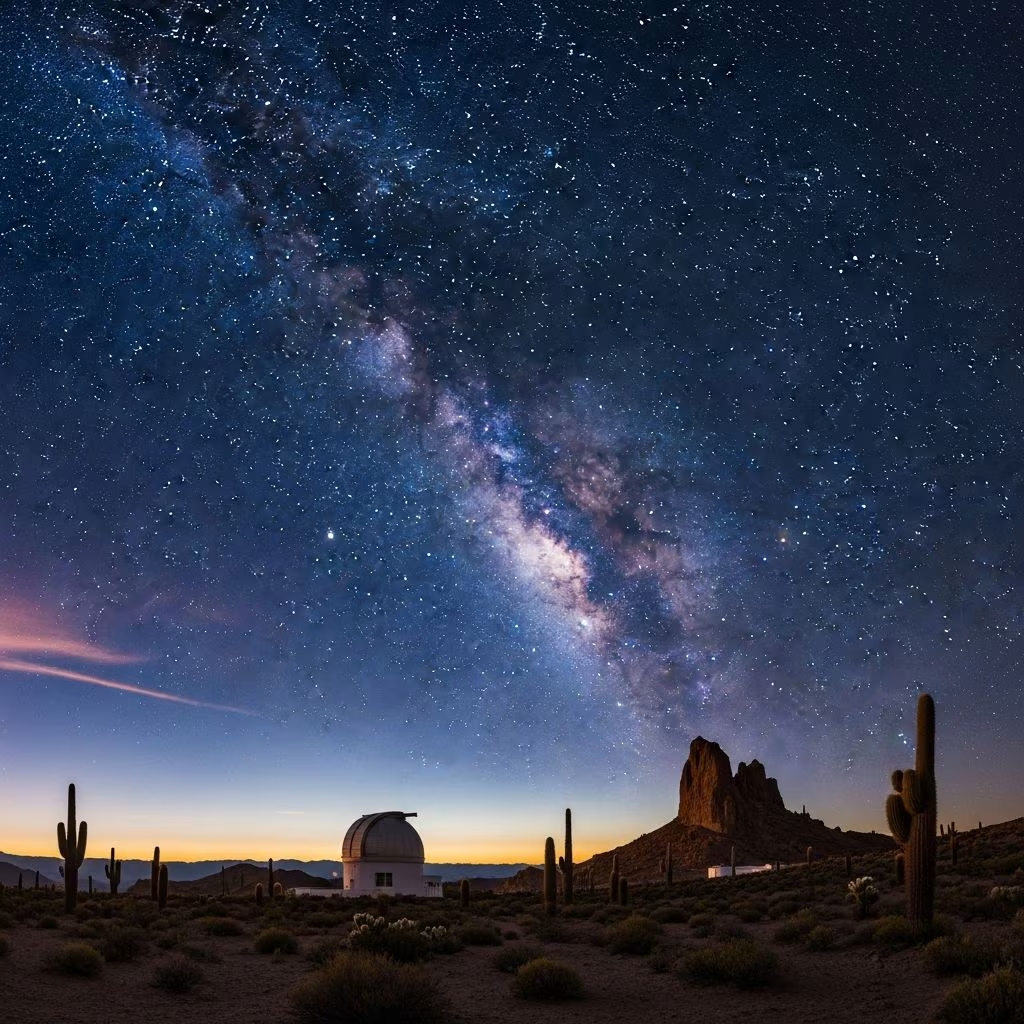
The Atacama Desert in northern Chile stands as a premier destination for stargazing enthusiasts, boasting some of the clearest, darkest skies on the planet due to its extreme dryness, high elevation, and minimal light pollution. This arid expanse, often called the driest place on Earth, provides over 300 cloudless nights annually, making it home to more than 70% of the world’s advanced astronomical observatories.
Several unique factors elevate the Atacama above other stargazing locales. Its altitude, averaging 2,500 meters above sea level, thins the atmosphere for sharper celestial views. The absence of moisture prevents cloud formation, while the region’s isolation from urban centers eliminates light pollution, allowing naked-eye sightings of galaxies, nebulae, and the Milky Way’s brilliant core. Unlike coastal areas prone to morning fog, interior high plateaus like the Altiplano offer pristine conditions year-round.
Geographically, the Southern Hemisphere position reveals exclusive constellations such as the Southern Cross, Vela, and Omega Centauri, invisible from northern latitudes. Professional facilities like Paranal Observatory, with telescopes capable of detecting lunar headlights, underscore the site’s scientific prowess.
Focus on two stellar hubs: San Pedro de Atacama and Elqui Valley, each blending cosmic pursuits with diverse daytime adventures.
Nestled amid dunes, salt flats, and volcanoes, this vibrant town draws international visitors with its array of restaurants, accommodations, and tours. High-end options like Nayara Alto Atacama feature private 16-inch telescopes for guest sessions. Nearby, Valle de la Luna’s otherworldly dunes transition seamlessly into stargazing backdrops, while Piedras Rojas’ 4,000-meter salt flats frame stars against red-rock peaks.
South of the core desert, this lush valley combines observatories with pisco distilleries and vineyards. Vicuña serves as the ideal base, offering quick access to sites like Mamalluca Observatory. Pair evening sky tours with daytime solar-powered breweries or high-altitude wine tastings for a multifaceted getaway.
Stargazing thrives from March to October, when drier conditions and frequent celestial events maximize visibility, though clear skies persist year-round—avoid full moons for darkest nights. Winter months (June-August) provide crisp air ideal for observation. Expect mild altitude effects at higher spots; hydrate and acclimate gradually.
| Month | Weather | Stargazing Quality | Key Events |
|---|---|---|---|
| March-May | Mild, dry | Excellent | Milky Way peak |
| June-Aug | Cool, clear | Optimal | Southern stars vivid |
| Sept-Nov | Warming, stable | Very good | Meteor showers |
| Dec-Feb | Warmer nights | Good (avoid full moon) | Summer constellations |
Chile’s astronomical infrastructure shines here, with public and private options for all levels.
Local tours from San Pedro include small-group outings to remote dunes, blending hikes with professional astronomers pointing out Eta Carinae Nebula and Jewel Box Cluster. Luxury lodges provide in-house setups, ensuring comfort amid the chill.
Range from budget hostels in San Pedro to opulent eco-lodges. Prioritize properties with observatories or dark-sky patios; Nayara Alto Atacama exemplifies luxury with hilltop scopes. Elqui’s Casa Molle offers refined stays near observatories.
Balance nights with geysers at El Tatio, colorful lagoons, or rust-hued Piedras Rojas hikes—each enhances the desert’s surreal vibe.
The southern skies dazzle with:
Events like Eta Aquariid meteors add thrill.
Its unmatched dryness (drier than Antarctica in spots), elevation, and observatory density provide superior clarity.
No—guides explain everything; tours cater to beginners.
May-August for stable weather and vivid skies.
Yes, many include kid-appropriate scopes and stories.
Stick to designated dark sites outside towns.
Astrotourism booms, but responsible practices matter: support dark-sky initiatives, minimize single-use plastics, and choose eco-certified operators to protect this natural wonder.
