

 Travel Essentials
 Travel Essentials

Explore Starved Rock State Park's dramatic landscapes, 13 miles of trails, seasonal waterfalls, wildlife, and historic lodge in this comprehensive guide to hiking, history, and adventure.
 Travel Essentials
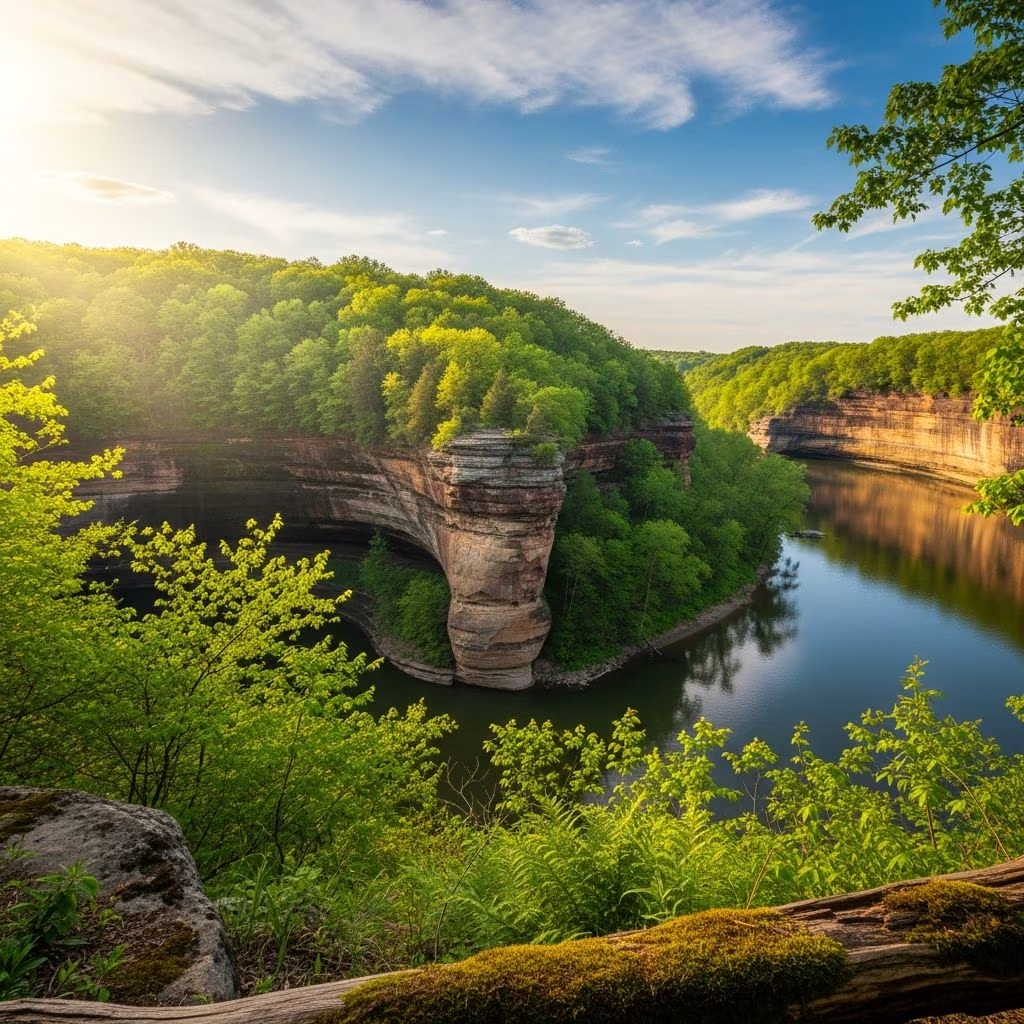
Starved Rock State Park stands as one of Illinois’ most captivating natural treasures, offering visitors a blend of rugged canyons, cascading waterfalls, diverse wildlife, and historical significance. Spanning over 2,600 acres along the Illinois River, this park draws millions annually for its accessible trails and breathtaking scenery, making it an ideal escape from urban life, especially for those in nearby Chicago.
The dramatic landscape of Starved Rock owes its existence to ancient geological forces. More than 14,000 years ago, retreating glaciers from the last Ice Age unleashed massive meltwater floods that sculpted the region’s St. Peter Sandstone layers into steep cliffs and deep canyons. This process created 18 unique canyons, each with distinct features like overhanging rocks, moss-covered walls, and seasonal waterfalls that activate after heavy rains or snowmelt.
Unlike perennial falls, Starved Rock’s waterfalls are ephemeral, flowing dramatically during wet periods and carving ever-changing paths down the canyon walls. The Illinois River valley below serves as a vital corridor for both water flow and wildlife migration, enhancing the park’s ecological richness. These formations provide a rare midwestern topography of bluffs and gorges amid otherwise flat farmlands.
Long before European settlers arrived, Native American tribes utilized the area for shelter and strategic vantage points. The park’s name derives from a somber legend around 1790, when the Pottawatomie tribe reportedly besieged a rival group on the prominent butte known as Starved Rock, leading to their demise from starvation.
By the late 19th century, steamboats ferried tourists along the Illinois River to explore the scenic bluffs, sparking early tourism. Preservation efforts culminated in 1911 when Illinois purchased 280 acres, including the iconic rock, establishing it as the state’s second park after Fort Massac. The Civilian Conservation Corps expanded infrastructure in the 1930s, building trails, lodges, and visitor facilities that blend seamlessly with the natural environment. Today, the park embodies millennia of natural and cultural evolution.
With 13 miles of well-marked, boardwalk-lined trails, Starved Rock caters to all skill levels, from casual strollers to avid hikers. Trails wind through forested areas dominated by massive cottonwoods and oaks, leading to canyon overlooks and river vistas.
Boardwalks protect sensitive ecosystems while serpentine paths add adventure, guiding visitors skyward to lofty bluffs. Always check trail conditions, as wet weather can make surfaces slippery.
Starved Rock thrives as a sanctuary for diverse species, bolstered by its riverine location. Birders spot bald eagles, pelicans, and turkey vultures riding thermals above the canyons. Mammals like deer, foxes, and beavers roam the forests, while smaller creatures such as chipmunks and opossums scurry along trails.
The park’s flora includes lush ferns, wildflowers in spring, and vibrant fall foliage. Seasonal changes amplify sightings: spring brings migratory birds, winter hosts eagles, and autumn paints the canyons in gold and red. Respect wildlife by maintaining distance and staying on paths to preserve habitats.
| Season | Highlights | Tips |
|---|---|---|
| Spring | Wildflowers, emerging waterfalls, fewer crowds | Pack rain gear; trails can be muddy |
| Summer | Lush greenery, river activities, lodge events | Arrive early to beat heat and parking limits |
| Fall | Peak foliage, comfortable temps, waterfalls after rains | Prime photography season; book lodging ahead |
| Winter | Ice formations, eagle watching, snowy solitude | Wear spikes for icy trails; some areas close |
Fall ranks as the most popular due to colors and weather, but spring offers waterfalls without summer crowds. Avoid peak weekends for a peaceful experience.
The historic Starved Rock Lodge, built in the 1930s from local stone and logs, provides cozy rooms, cabins, and dining with river views. Savor prime rib, Sunday brunch, or casual fare at the Eagle Creek Restaurant or outdoor patio. For campers, the park offers tent and RV sites with modern amenities like showers and electricity. Nearby Ottawa and Utica feature additional hotels and eateries.
Day trippers from Chicago (90 minutes southwest) find ample parking, though it fills quickly. Entry is free, but lodging and concessions apply.
Accessibility: Many boardwalks and overlooks accommodate wheelchairs; check for updates.
Absolutely—it’s a 90-minute drive offering superior hiking and scenery compared to city parks.
After heavy rain or snowmelt; check recent weather or park updates for active falls.
No park entry fee, but parking may have charges during peak times; lodging extra.
Yes, with 100+ sites for tents/RVs; reservations recommended.
Bald eagles, deer, river otters, and over 200 bird species.
Starved Rock State Park transcends typical recreation, weaving geology, history, and ecology into immersive experiences. Whether summiting bluffs for eagle views or tracing canyon streams, it promises renewal amid Illinois’ wild heart. Prepare for variable weather, respect nature, and create lasting memories in this timeless destination.
