


 Food & Culture
Food & Culture
Stockholm Fika Guide: Best Cafés, Pastries & Neighborhoods
Explore Stockholm's iconic fika tradition—a cherished social custom blending coffee, pastries, and connection. Learn where locals gather and how to embrace this quintessential Swedish experience.
 Food & Culture
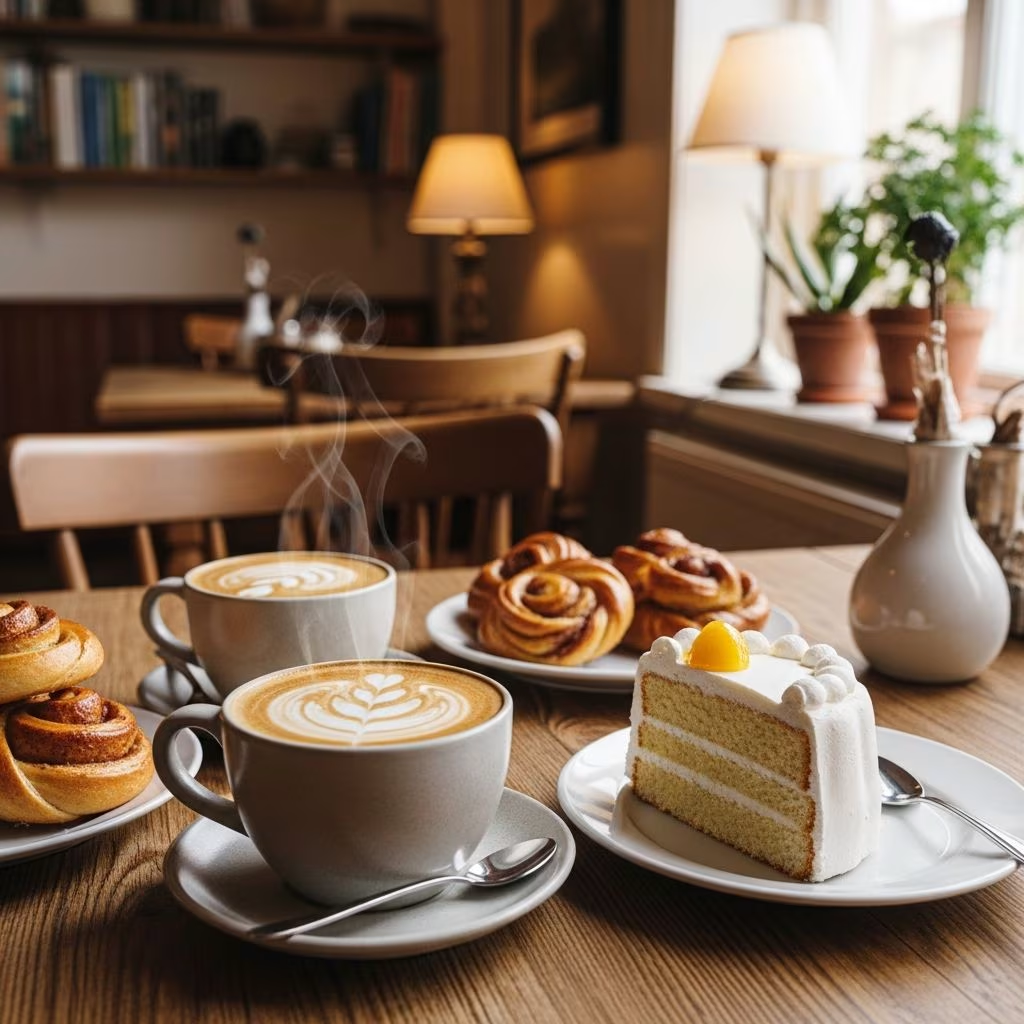
Walking through Stockholm’s charming neighborhoods, visitors quickly notice something distinctive about Swedish café culture. Unlike the hurried coffee consumption common in many cities, Swedes practice a deliberate, social ritual known as fika. This cherished tradition transcends simple caffeine consumption—it represents a fundamental aspect of Swedish lifestyle that brings people together across all walks of life. Understanding fika opens a window into the Swedish mindset, revealing how this Scandinavian nation prioritizes connection, quality time, and intentional pauses throughout the day.
Understanding the Essence of Fika
The Swedish concept of fika defies easy translation into English, yet its meaning is culturally profound. At its core, fika describes a designated time for meeting with friends, colleagues, or family members to share coffee and pastries in a leisurely, unhurried manner. The word itself has become informal slang for café, bakery, or pastry shop throughout Sweden, creating a linguistic connection between the ritual and the spaces where it occurs.
What makes fika distinct is its fundamental purpose. The actual consumption of coffee, while central to the ritual, is not the primary objective. Rather, fika emphasizes togetherness, conversation, and taking a meaningful break from daily responsibilities. This could manifest as coworkers stepping away from their desks for a shared coffee moment, families gathering at a neighborhood café on weekends, or friends establishing regular fika appointments as a way to maintain their relationships.
The frequency with which Swedes engage in fika practice often surprises international visitors, but this consistency reveals how deeply embedded the tradition is within Swedish social fabric. Fika is not an occasional indulgence but rather an expected and integral component of daily life, occurring multiple times throughout the week for most Stockholmers.
The Traditional Components: Coffee and Pastries
Although fika has evolved over generations, certain elements remain classic and expected. Coffee remains non-negotiable for traditional fika experiences, though modern interpretations have become more flexible, allowing for tea, hot chocolate, or other warm beverages among younger participants.
Swedish coffee preferences differ notably from those in other coffee-drinking cultures. Swedes typically favor lighter roasts compared to darker roasts common in other regions, and they overwhelmingly prefer filter coffee (bryggkaffe) to espresso-based drinks. However, contemporary Stockholm cafés have embraced specialty coffee movements, now offering single-origin brews, precision-brewed options, and various modern coffee preparations alongside traditional methods.
The pastry selection for fika reflects deep traditions and regional specialties. Classic pastries define the authentic experience:
- Kanelbulle (cinnamon bun)—The most iconic Swedish pastry, featuring rolled dough with cinnamon and sugar, representing quintessential fika indulgence[10]
- Kardemummabulle (cardamom bun)—A fragrant alternative to cinnamon, showcasing Scandinavian spice preferences
- Kladdkaka (sticky chocolate cake)—A warm, gooey chocolate cake that demonstrates Swedish dessert philosophy
- Princesstarta (princess cake)—A showstopping sponge cake with cream and green almond paste that carries historical prestige
Modern cafés throughout Stockholm have begun reinventing these classics, experimenting with unexpected flavor combinations while maintaining respect for tradition. This fusion approach introduces cardamom buns with contemporary twists or cinnamon varieties infused with creative ingredients, appealing to younger generations while honoring heritage.
Navigating Stockholm’s Fika-Friendly Neighborhoods
Stockholm’s geography naturally divides into distinct neighborhoods, each offering unique fika experiences. Understanding these areas helps visitors discover authentic café culture aligned with their preferences.
Gamla Stan: Historic Charm and Time-Honored Traditions
The Old Town (Gamla Stan) preserves Stockholm’s medieval character through cobblestone streets, historic architecture, and traditional konditori establishments. This neighborhood appeals particularly to visitors seeking historical context alongside their fika experience. Several establishments here have operated for over a century, maintaining recipes and atmospheric qualities that transport guests backward in time.
Sundbergs Konditori, operating since 1785, exemplifies this historic approach. The bakery-café features a cozy living room atmosphere, elegant chandeliers, and old-fashioned tea sets that create an authentic eighteenth-century experience. Their famous Princesstarta carries nearly a century of reputation, making it a must-try for those seeking traditional fika elements.
Chokladkoppen maintains an unapologetically old-school character, famous for exceptional hot chocolate that provides warmth during Stockholm’s cold months. Meanwhile, Under Kastanjen offers a courtyard café with vaulted ceilings and a fireplace that creates particular ambiance during winter months.
Södermalm: Modern Interpretations and Independent Spirit
South Stockholm (Södermalm) represents the bohemian evolution of fika culture, characterized by eclectic, independent coffee shops and a relaxed, creative atmosphere. This neighborhood appeals to travelers seeking contemporary interpretations of fika while maintaining cultural authenticity.
The area hosts numerous third-wave coffee roasters serving single-origin brews with technical precision. Floor-to-ceiling windows and minimalist aesthetics characterize many establishments, creating Instagram-friendly environments without sacrificing quality.
Drop Coffee functions as a minimalist shrine to precision brewing, embodying modern coffee culture while respecting fika’s social foundations. Johan and Nystrom encourages street-side sitting that immerses visitors in Södermalm’s vibrant community energy. Baggio, with locations in both Vasastan and Södermalm, maintains warm, relaxed atmospheres with consistently excellent offerings.
Gilda’s Café, situated in Södermalm’s heart, provides shelter from Stockholm’s cold climate with inexpensive pastries and excellent people-watching opportunities. Il Caffé offers homemade pastries and fresh bread from its own bakery, providing an unpretentious, cozy fika environment perfect for local favorites.
Djurgården: Garden Cafés and Natural Settings
This island neighborhood offers distinctive fika experiences integrated with natural beauty. Rosendals Trädgård operates as a greenhouse café serving organic pastries among apple orchards, creating particularly memorable experiences during late summer when gardens overflow with color.
Notable Establishments Worth Visiting
Beyond neighborhood characteristics, specific establishments have earned recognition for exceptional fika offerings. Vete-Katten in Norrmalm has served Stockholmers since 1928, maintaining old-world charm that defines traditional fika atmosphere. This historic konditori represents continuity in Swedish café culture, preserving century-old pastry recipes and aesthetic sensibilities.
Kaffeverket caters to true coffee connoisseurs, offering the highest class of coffee with impressive variety, earning high rankings in White Guide Café listings. For pastry enthusiasts, Mr. Cake functions as a sanctuary for foodies, offering an extensive selection of Swedish classics including kanelbulle, kardemummabulle, red velvet croissants, and breathtaking cheesecake varieties.
Café Svenskt Tenn offers a design-infused take on fika tradition, featuring a seasonal menu built on locally sourced ingredients paired with an exceptional tea selection. Lykke Nytorget serves high-quality specialty coffee from the Lykke Kaffegårdar project, demonstrating Stockholm’s engagement with coffee sourcing ethics.
Pascal operates multiple locations throughout Stockholm, consistently delivering thoughtful sourcing and solid quality despite perpetual busyness. Kersh provides very good coffee that other Stockholm establishments choose to serve, indicating quality recognition throughout the café community.
For museum-integrated fika experiences, Café Blom at ArkDes and the restaurant at Moderna Museet offer both classic kanelbulle and homemade cakes featuring organic, locally sourced ingredients. These venues provide fika opportunities combined with cultural enrichment.
Practical Guidance for Experiencing Fika Like a Local
Successfully experiencing fika involves understanding both explicit and implicit cultural norms. Visitors should arrive early on weekends, as popular establishments fill rapidly, particularly during warmer months. The timing of your fika visit matters—mid-morning or mid-afternoon constitutes traditional fika time in Swedish culture.
For those seeking authenticity, historic konditori in Gamla Stan preserve traditional fika atmosphere through decor, service style, and pastry preparation methods. Conversely, visitors preferring contemporary café environments should explore Södermalm’s independent roasters and modern establishments.
The social aspect of fika deserves emphasis—this ritual functions as an opportunity for genuine connection rather than mere consumption. Lingering over coffee and pastries, engaging in conversation, and resisting the urge to rush reflects proper fika etiquette and honors the tradition’s fundamental purpose.
Frequently Asked Questions About Stockholm Fika
- What time should I have fika?
- Traditional fika occurs mid-morning (around 10-11 AM) or mid-afternoon (around 3-4 PM), though modern practice allows flexibility. The timing matters less than the intentional pause and social connection.
- Is coffee mandatory for fika?
- While coffee traditionally anchors fika, contemporary practice accepts tea, hot chocolate, or other beverages, particularly among younger Swedes. The beverage choice matters less than the ritual itself.
- Can I experience fika alone?
- Although fika emphasizes social connection, sitting alone at a café with coffee and pastry reflects an acceptable modern interpretation. The original tradition, however, centers on shared experiences.
- How much should I budget for fika?
- Most Stockholm fika experiences range from moderate to expensive by international standards, though neighborhood choices significantly affect pricing. Södermalm cafés generally cost less than Gamla Stan establishments.
- Are reservations necessary?
- Popular establishments, particularly on weekends, benefit from early arrival or reservations. Many neighborhood cafés operate on first-come, first-served bases, especially during quieter periods.
Seasonal Variations in Stockholm Fika Culture
Stockholm’s seasonal extremes influence fika experiences throughout the year. Winter fika emphasizes warmth and comfort, with fireplaces, hot chocolate, and cozy interiors becoming particularly appealing. Summer fika shifts outdoors, with café terraces and courtyard seating dominating the experience. Spring and autumn allow transitional fika experiences, combining indoor and outdoor elements.
Pastry offerings occasionally shift with seasons, with certain establishments featuring limited-edition creations during specific periods. Late summer provides particular appeal at garden-integrated cafés like Rosendals Trädgård, where fresh produce and seasonal colors enhance the fika experience.
Conclusion: Embracing a Timeless Tradition
Stockholm’s fika culture represents far more than a coffee-and-pastry break—it embodies Swedish values of intentionality, community, and quality over speed. Whether visitors find themselves in historic Gamla Stan, creative Södermalm, or garden-surrounded Djurgården, authentic fika experiences await those willing to embrace the ritual’s social foundations. By understanding what fika means, knowing where to find exceptional establishments, and approaching the tradition with proper respect, travelers can transform ordinary café visits into meaningful cultural experiences that reveal the essence of Swedish lifestyle. The beauty of fika lies not in perfecting consumption but in appreciating the deliberate pause that Swedish society has cultivated for generations.
References
- A Guide to Stockholm — cafés, fika and the culture of coffee and bread — Pascal (Scandidelights). Accessed April 2026. https://scandidelights.substack.com/p/a-guide-to-stockholm-cafes-fika-and
- How to fika in Stockholm — Context Travel. Accessed April 2026. https://www.contexttravel.com/stories/articles/the-history-of-fika
- Stockholm Fika Culture Guide: Where & How to Fika Like a Local — Wandr City. Accessed April 2026. https://www.wandrcity.com/stockholm-fika-culture-guide
- Cafés in Stockholm: A Guide to the Best Fika Spots — Fika Stockholm. Accessed April 2026. https://fikastockholm.com/cafes/cafes-in-stockholm/
- Café Culture – Where to Fika in Stockholm — AFAR. Accessed April 2026. https://www.afar.com/travel-tips/cafe-culture-where-to-fika-in-stockholm
- Experience the best Fika in Stockholm – see our coffee guide here — 2 Cups of Travel. Accessed April 2026. https://2cupsoftravel.com/best-fika-locations-stockholm-coffee-cafe-guide/
- Cinnamon Bun & Princess Cake: Swedish Fika in Stockholm — Visit Stockholm. Accessed April 2026. https://www.visitstockholm.com/eat-drink/cafes/fika-in-stockholm/
On This Page
Understanding the Essence of Fika The Traditional Components: Coffee and Pastries Navigating Stockholm's Fika-Friendly Neighborhoods Notable Establishments Worth Visiting Practical Guidance for Experiencing Fika Like a Local Frequently Asked Questions About Stockholm Fika Seasonal Variations in Stockholm Fika Culture Conclusion: Embracing a Timeless Tradition← Previous
Best Shopping in Venice: Local Crafts, Markets and Boutiques
Next →
Best Gin Tonics in San Sebastián: Top Bars & Crawl Guide
Related Reading
More in Food & Culture
Food & Culture Food & Culture
 Food & Culture
Best Places to Eat in Rome: Neighborhood Dining Guide
 Food & Culture
 Food & Culture