

 Travel Essentials
 Travel Essentials

Explore the story of Streha, the Balkans' first shelter for LGBT youth facing family rejection and homophobia in Albania, its impact, challenges, and future.
 Travel Essentials
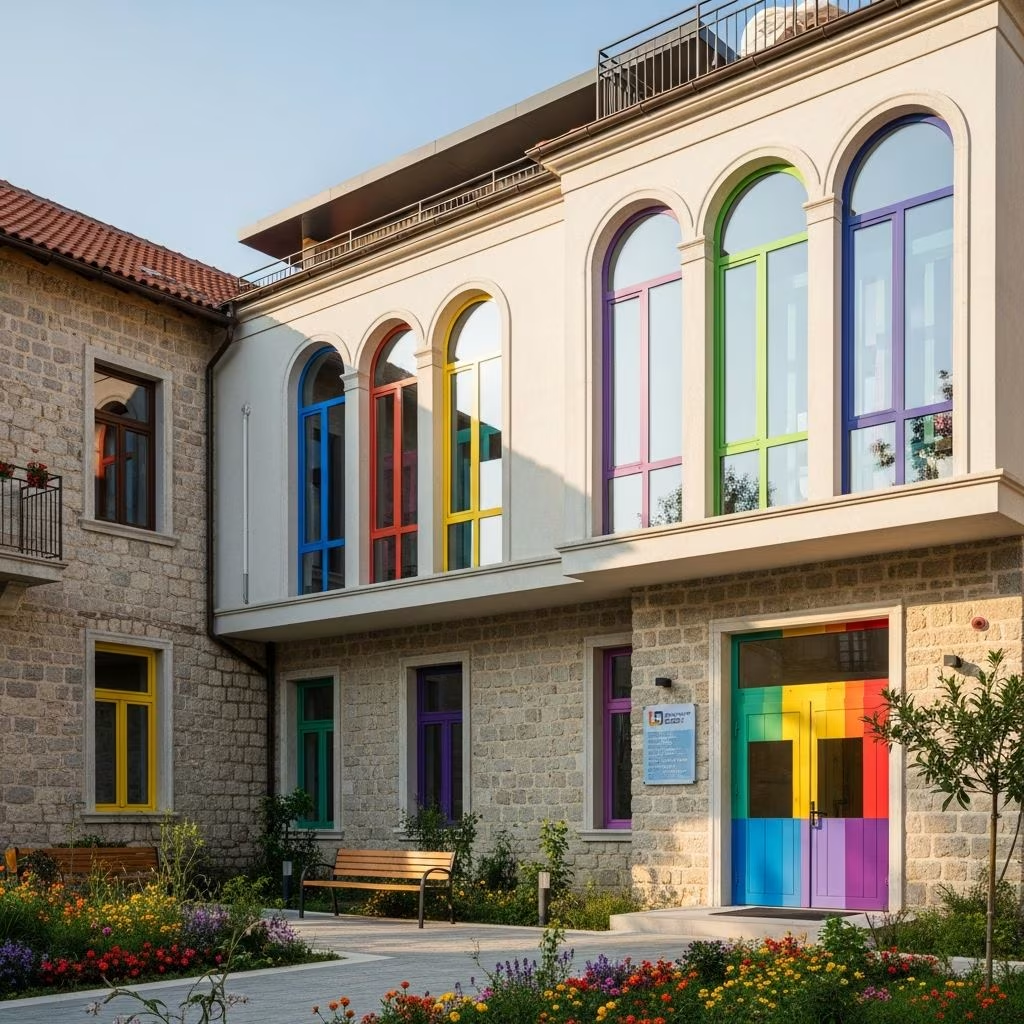
In the heart of Tirana, Albania’s bustling capital, a quiet revolution is underway. Streha Center, known simply as “Streha” or “the Shelter,” stands as the first dedicated safe space for LGBT youth in the Balkans. Founded to protect young people aged 18 to 25 who have been cast out by their families due to their sexual orientation or gender identity, this initiative addresses a critical gap in a region where homophobia remains deeply entrenched.
Albania, a nation bridging Europe and the Balkans, has made strides in legal protections for LGBT individuals, including anti-discrimination laws. However, societal attitudes lag far behind. Family rejection is rampant, leaving many queer youth homeless, vulnerable to violence, and without access to basic needs like food and shelter. Human Rights Watch reports highlight how virulent homophobia forces these young people into desperate situations, often surviving on the streets or in precarious living conditions.
The COVID-19 pandemic exacerbated these challenges. A study published in PMC found that 19.7% of surveyed Albanian youth aged 14-30 identified as LGBTQ+, with this group facing significantly higher discrimination rates—32.7% felt discriminated against, compared to 5.4% of non-LGBTQ+ peers. They were 19.57 times more likely to experience orientation-based discrimination and 25.05 times more afraid to express their identity.
Launched in 2015 by Albanian organizations Aleanca LGBT and ProLGBT, Streha emerged from grassroots activism responding to rising reports of homeless queer youth. Initially funded by donations from the US and UK embassies, with later support from the Dutch embassy, the shelter keeps its exact location secret to prevent attacks—a precaution rooted in real threats like arson.
Today, Streha Center operates as a comprehensive support hub. Its annual reports detail serving hundreds of individuals, offering not just temporary housing (up to several months) but also pathways to employment, education, and family reconciliation where possible.
| Milestone | Date | Details |
|---|---|---|
| Founding | 2015 | Opened by Aleanca LGBT and ProLGBT with embassy funding. |
| First Residents | 2016 | Sheltered initial cohort of 18-25-year-olds rejected by families. |
| Expansion | Ongoing | Added counseling, job training, and reintegration programs. |
Streha provides far more than a roof. Residents receive psychological counseling from on-site professionals, who help navigate trauma from rejection and abuse. The psychologist’s discreet meetings in Tirana’s side streets underscore the shelter’s vigilance.
Programs include vocational training, job placement assistance, and education support. Partner organizations like Aksion Plus offer drug/HIV prevention, while SOS LGBT provides hotlines for crisis intervention. The center emphasizes reintegration, helping youth find stable housing or reconcile with families when safe.
Daily life fosters community. Residents share meals, participate in group activities, and build solidarity, countering isolation. Success stories abound: many alumni now live independently, pursuing studies or careers.
Despite its impact, Streha struggles with funding shortages. Early embassy grants have waned, relying now on donations and grants from groups like ERA-LGBTI. Operational costs for housing, staff, and programs strain resources, especially as demand grows amid economic pressures post-COVID.
Societal resistance persists. Homophobia fuels stigma, with media sometimes sensationalizing LGBT issues. Yet, milestones like Albania’s first public LGBTQ+ wedding signal slow progress, though same-sex marriage remains unrecognized.
Streha’s model inspires replication. As the first non-public residential center in Southeastern Europe, it sets a standard for emergency housing. Collaborations with international bodies amplify advocacy, pushing for policy changes like better hate crime laws.
In Albania, civil society fills gaps left by overwhelmed state services. Organizations like Aleanca LGBT lobby for equality, while Streha demonstrates practical intervention.
“Streha supports homeless LGBTI youth… to find safe homes, employment, education, training and re-integrate.”
Anonymous resident accounts reveal profound transformations. One young man, expelled at 19, found therapy and a job through Streha, rebuilding his life. A trans woman credits the shelter with saving her from suicidal despair, gaining confidence via peer support.
These narratives highlight Streha’s role in empowerment, turning victims of rejection into self-sufficient adults.
Looking ahead, Streha aims to expand capacity and secure sustainable funding. Partnerships with EU programs could bolster this. Travelers to Albania can contribute by supporting ethically, visiting Tirana’s Pride events, or advocating awareness.
For donors, visits to strehacenter.org offer ways to help. Policymakers must prioritize LGBT youth in social services to reduce reliance on such shelters.
Donate via their official site, volunteer skills, or spread awareness responsibly.
Tirana is increasingly welcoming, but discretion advised outside urban areas. Streha symbolizes progress.
Primarily 18-25-year-olds facing homelessness due to family rejection.
Yes, location secrecy prevents arson or attacks amid homophobia.
Streha is the first; others are emerging inspired by it.
Streha Center exemplifies hope amid adversity, proving targeted support can change lives in conservative regions.
