

 Travel Essentials
 Travel Essentials

Discover essential tips for hiking national parks in summer heat, from hydration and timing to gear and weather awareness, ensuring safe and memorable trips.
 Travel Essentials
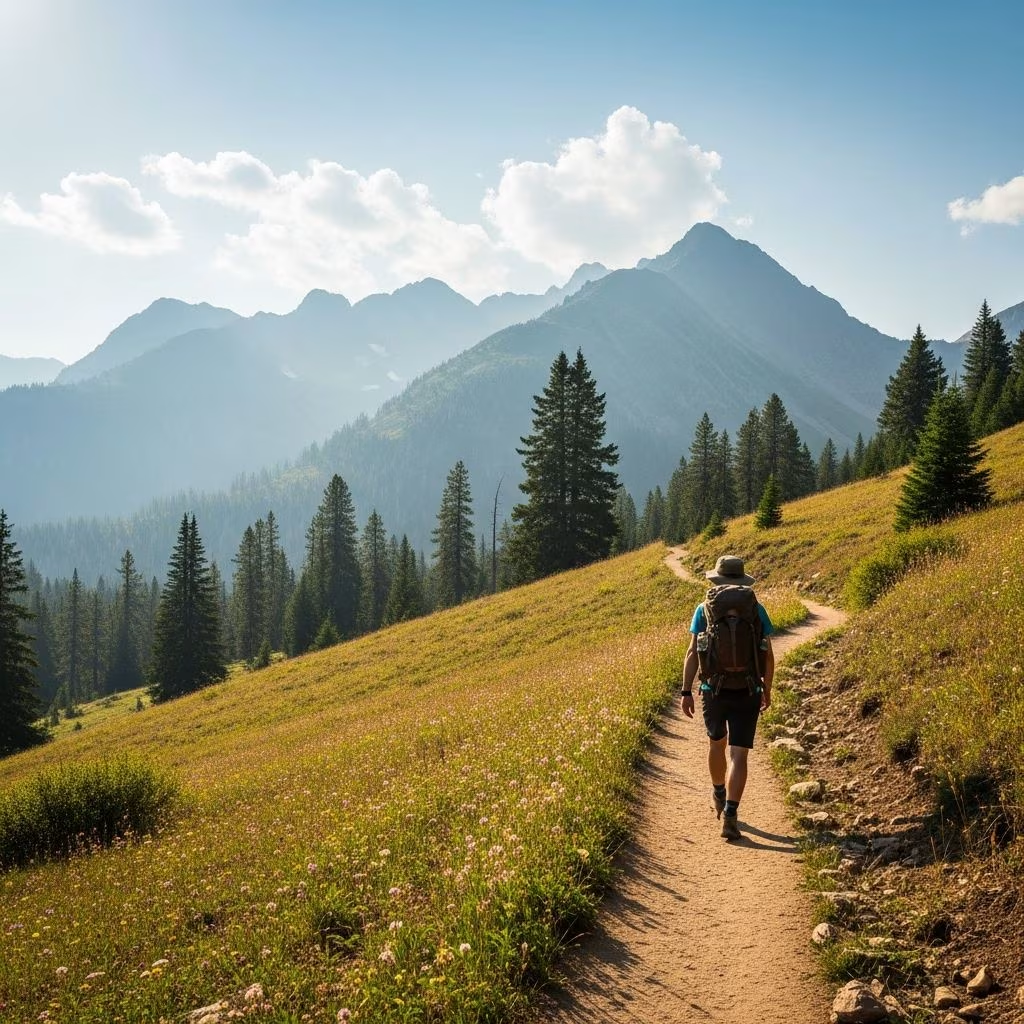
Summer offers prime opportunities to explore America’s national parks, but high temperatures, intense sun, and variable conditions demand careful preparation. Proper planning ensures hikers avoid risks like heat exhaustion, dehydration, and flash floods while maximizing enjoyment of stunning landscapes.
National parks span diverse environments, from desert canyons to high mountains, each presenting unique summer hazards. Temperatures can exceed 100°F in lower elevations, while higher altitudes bring altitude sickness risks and sudden storms. Flash floods in arid areas and heat-related illnesses are common, with rangers frequently rescuing overheated hikers. Recognizing these threats allows visitors to hike confidently and responsibly.
Start with thorough research using official park websites. Check for timed-entry reservations, trail closures, and current conditions like fire risks or post-storm damage. Assess your fitness level and experience against trail difficulties—opt for paths matching your group’s abilities to prevent overexertion.
Leave a detailed trip plan with someone outside the park, including your route, expected return time, and emergency contacts.
Avoid midday heat by starting early. In parks like the Grand Canyon, rim temperatures feel mild, but inner canyon heat surges dramatically. Morning hikes evade peak sun and afternoon thunderstorms common in mountainous areas like Rocky Mountain National Park. Plan to return to trailheads by noon, watching for darkening skies or thunder.
Pack layers, as weather shifts quickly—warm jackets, waterproof shells, and hats protect against rain, wind, and sun. Choose moisture-wicking synthetics over cotton, which retains sweat. Sturdy, closed-toe shoes with tread prevent slips on uneven terrain.
| Gear Item | Purpose | Key Features |
|---|---|---|
| Hiking Boots | Foot Protection | Closed-toe, good tread, broken-in fit |
| Waterproof Jacket | Weather Defense | Windproof, breathable fabric |
| Sun Hat & Sunglasses | UV Protection | Wide brim, polarized lenses |
| Water Bottle or Bladder | Hydration | 2+ liters capacity, insulated |
| Trekking Poles | Stability | Adjustable, lightweight |
Include a first-aid kit, multi-tool, headlamp, and high-energy snacks. For pets, stick to paved areas and never leave them in vehicles.
Dehydration strikes fast in heat; carry at least two liters of water per person and sip frequently. Electrolyte tablets replenish salts lost through sweat. Eat salty snacks and high-carb foods for sustained energy. Recognize heat exhaustion signs like dizziness, nausea, or excessive sweating, and rest in shade immediately.
Stay on designated paths to avoid hazards like thermal features or unstable slopes. In geothermal areas, boardwalks protect against scalding ground. For coastal hikes, time visits with low tides to explore safely, avoiding rogue waves and slippery rocks.
Observe bears from afar, making noise to alert them. Secure food in bear-proof containers. Respect tides and wildlife in coastal zones, and never approach thermal pools or geysers. In high-traffic areas, practice Leave No Trace by packing out waste.
Buddy systems prevent separations; communicate constantly. Families with children should involve kids in planning, breaking hikes into short segments with nature exploration stops. Solo hikers carry communication devices and inform rangers of plans. Yield appropriately: uphill hikers first, then downhillers step aside.
Carry a charged phone or satellite communicator. If injured, stay put and signal for help with a whistle or mirror. For heat illness, cool the body with wet cloths and electrolytes. Flash floods require immediate high ground ascent. Rangers emphasize prevention but are equipped for rescues—know 911 equivalents in remote areas.
Different parks demand tailored approaches. In Great Smoky Mountains, layers combat elevation-driven coolness despite base heat. Rocky Mountain visitors hydrate extra against altitude. Desert parks like those with slot canyons prioritize flood watches. Always verify updates via official apps or visitor centers.
Descend quickly to lower ground, avoid open ridges, and shelter away from tall trees. Prioritize getting off exposed trails before storms build.
Limited to paved paths and leashed in developed areas; check park rules and prioritize their comfort in heat.
Minimum two liters per person, more in extreme heat; refill at park stations where available.
Headaches, nausea, dizziness; descend if symptoms persist and hydrate.
Yes, with preparation: share plans, carry gear, and inform rangers.
Embracing these practices transforms summer park visits into safe, rewarding experiences amid nature’s wonders.
