

 Travel Essentials
 Travel Essentials

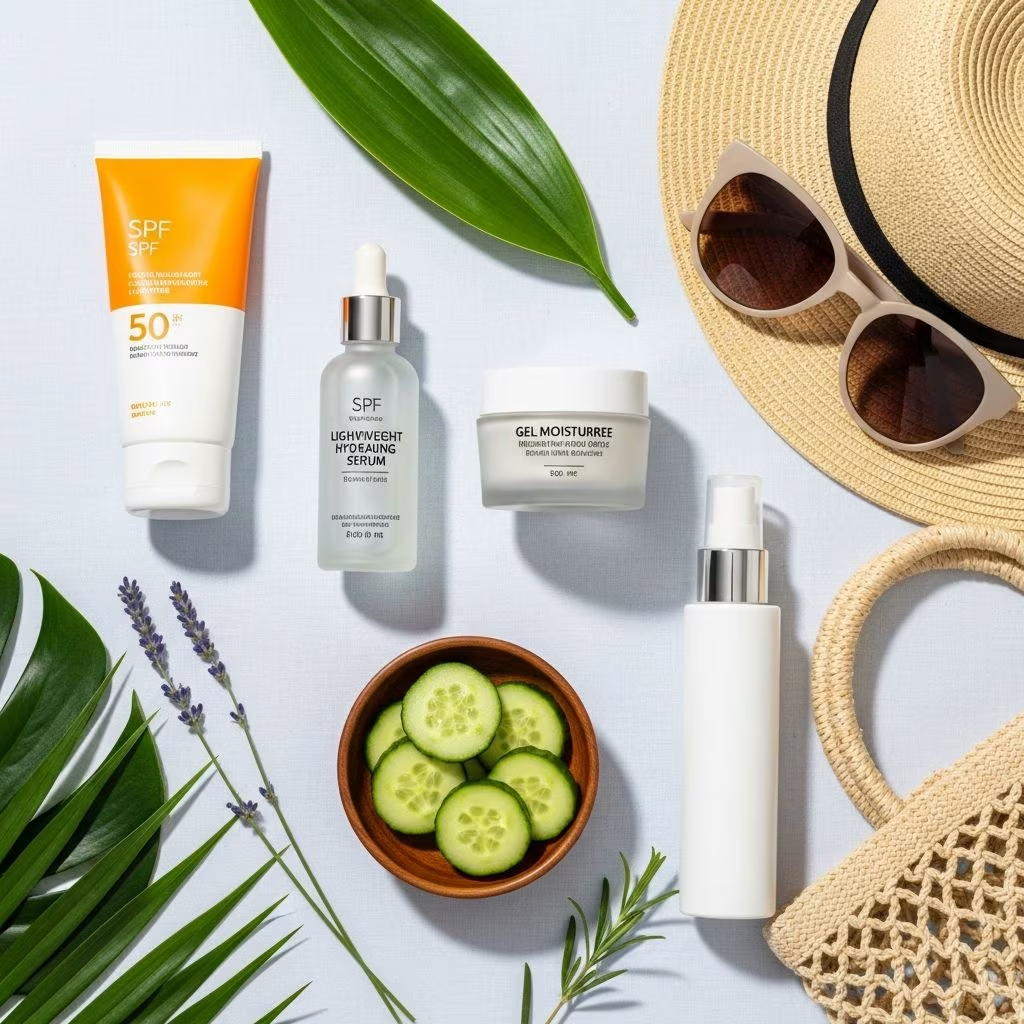
Explore essential summer skincare products and routines to protect, hydrate, and maintain radiant skin during hot, humid months.
 Travel Essentials
As temperatures rise and humidity increases, your skincare routine requires a thoughtful shift to address the unique challenges that warm seasons present. Summer brings increased sun exposure, higher moisture levels in the air, and elevated skin oil production—all factors that demand a recalibration of your beauty regimen. Understanding how to adapt your skincare approach during these months can make the difference between struggling with breakouts and maintaining that coveted summer glow.
Your skin behaves differently during warmer months compared to other seasons. The combination of elevated temperatures and increased humidity creates an environment where your skin’s natural oil production accelerates. This doesn’t necessarily mean your skin becomes problematic; rather, it becomes more reactive to the products and routines you’ve relied on during cooler weather.
The summer sun’s ultraviolet rays penetrate deeper into the skin’s layers, potentially causing damage that manifests as premature aging, dark spots, and uneven tone. Additionally, the barrier function of your skin—its ability to retain moisture and protect against environmental stressors—becomes compromised through prolonged sun exposure and dehydration from increased perspiration.
Many people make the mistake of stripping their skin entirely of moisture during summer months, believing that lightweight or minimal routines are the answer. However, proper hydration remains crucial year-round, even when dealing with oily or combination skin types.
An effective summer skincare routine begins with cleansing that respects your skin’s natural moisture balance. Rather than harsh, drying cleansers that leave skin feeling tight, opt for gentle formulations that remove oil and impurities without stripping away essential hydration.
Key cleansing principles for summer:
After cleansing, apply a hydrating toner or essence to your skin while it’s still slightly damp. This step helps prepare your skin to absorb subsequent treatments more effectively. Look for formulations containing humectants like glycerin or hyaluronic acid, which draw moisture into the skin’s upper layers.
Summer hydration differs fundamentally from winter approaches. Rather than heavy moisturizing creams, prioritize serums and essences that deliver moisture and active ingredients without creating a weighty barrier on the skin’s surface.
Effective summer hydration strategies include:
Vitamin C serums deserve particular attention during summer months. These treatments work synergistically with sunscreen to enhance UV protection while promoting a luminous complexion. When applied to clean, slightly damp skin before sunscreen, vitamin C serums penetrate effectively and provide antioxidant defense against environmental stressors.
Facial oils shouldn’t be dismissed during warm seasons. Lightweight, fast-absorbing oils like argan, jojoba, or rosehip provide essential nutrients and hydration without clogging pores or leaving a greasy residue. The key is using these products sparingly and applying them to damp skin to lock in moisture.
Sun protection represents the cornerstone of summer skincare and should never be compromised. UV damage accumulates over time, leading to visible aging, hyperpigmentation, and increased skin cancer risk. Broad-spectrum sunscreen with a minimum SPF of 30 should be applied daily, regardless of whether you plan to spend extended time outdoors.
Sunscreen application best practices:
Sunscreen comes in multiple formulations, each with distinct benefits. Mineral sunscreens containing zinc oxide or titanium dioxide create a physical barrier on the skin’s surface, reflecting UV rays. These work well for sensitive skin and those prone to irritation. Chemical sunscreens absorb into the skin and convert UV rays into heat; these typically feel lighter on the skin and work well for all skin types.
For convenience throughout the day, consider keeping a spray sunscreen or sunscreen stick in your bag for quick reapplication. These formats allow you to refresh protection without disrupting makeup or disrupting your routine.
Despite increased oil production, summer skin still requires moisture to function optimally. The distinction lies in choosing formulations that hydrate without feeling heavy or compromising your makeup.
Gel moisturizers provide hydration through water-based formulations that absorb quickly and feel refreshing on warm skin. These products work particularly well for oily or combination skin types, delivering essential hydration without excess occlusion. Tinted moisturizers offer a dual-purpose solution, combining lightweight hydration with subtle color correction and often built-in SPF protection.
BB creams and CC creams also serve as excellent summer moisturizers, offering hydration, coverage, and sun protection in one product. These hybrid formulations reduce the number of layers you need to apply while still delivering skincare benefits and a polished appearance.
Summer often intensifies specific skin concerns that require targeted intervention. Dark spots and uneven skin tone frequently worsen with sun exposure, making treatment products essential during these months.
Common summer skin challenges and solutions:
| Concern | Causes | Treatment Approach |
|---|---|---|
| Dark spots and hyperpigmentation | UV exposure, accumulated sun damage | Vitamin C serums, brightening treatments, strict sunscreen use |
| Increased breakouts | Perspiration, clogged pores, product buildup | Gentle exfoliation, niacinamide treatments, lightweight formulations |
| Dryness despite oiliness | Dehydration from sun and heat | Hydrating serums, lightweight moisturizers, frequent hydration |
| Sensitivity and irritation | Sun damage, product reactions to heat | Soothing ingredients, barrier repair products, minimalist routines |
Exfoliation becomes particularly important during summer, as dead skin cell accumulation can trap bacteria and oil, leading to breakouts. However, over-exfoliation can damage the skin barrier and increase sun sensitivity. Chemical exfoliants containing AHAs or BHAs offer gentler alternatives to physical scrubbing, dissolving dead skin cells without mechanical trauma. Limit exfoliation to two to three times weekly during summer months.
While facial skincare receives significant attention, body skin requires equal consideration during summer months. The skin on your chest, shoulders, and legs experiences substantial sun exposure and deserves dedicated care.
Body lotions and butters enriched with nourishing ingredients like shea butter and essential oils help maintain skin health across your entire body. These products should be applied to damp skin immediately after showering to maximize moisture retention. Consider keeping a lightweight body moisturizer at your desk or in your beach bag for midday hydration boosts.
Hands and décolletage particularly benefit from dedicated skincare attention, as these areas often show visible signs of aging due to frequent neglect. Apply sunscreen to these zones daily and follow with a rich hand cream to maintain softness and prevent age spots.
Your makeup routine requires adjustment during warm seasons to maintain a polished appearance despite heat and humidity. Waterproof formulations prevent smudging and maintain coverage throughout the day, particularly around the eyes.
Summer makeup essentials:
Rather than heavy foundations that can feel uncomfortable in heat, opt for lighter coverage products like tinted moisturizers or BB creams. These formulations provide enough coverage for a polished appearance while allowing skin to breathe. Cream or liquid blushes blend seamlessly with lighter base products and won’t appear patchy as you perspire.
Certain product categories specifically address summer skincare needs. After-sun lotions and creams provide soothing relief and hydration to sun-exposed skin, helping prevent damage and promote healing. These products often contain cooling ingredients like aloe vera and chamomile, providing immediate relief alongside long-term skin benefits.
Hydrating face mists offer convenient refreshment throughout the day, rehydrating skin and refreshing makeup without disrupting your appearance. These lightweight sprays contain humectants and minerals that keep skin supple and reduce the appearance of fatigue.
Leave-in hair conditioners and hair oils protect strands from UV damage and chlorine exposure, maintaining softness and shine throughout the season. Apply these products to damp hair before sun exposure and again after swimming or showering.
Morning routine:
Evening routine:
While heavy creams aren’t ideal for daily summer use, they can be beneficial if your skin truly needs them. If you have dry or mature skin, you might use a richer moisturizer at night when breathability is less concerning. However, most people find lightweight gels and serums more appropriate for daytime summer routines.
Limit exfoliation to two to three times weekly during summer months. Over-exfoliation can compromise your skin barrier and increase sun sensitivity. Chemical exfoliants are gentler than physical scrubs and provide more controlled results.
Some ingredients increase photosensitivity, meaning they make your skin more susceptible to sun damage. These include retinoids, vitamin A derivatives, and AHAs. If you use these ingredients, apply them only at night during summer and ensure robust sunscreen use during the day.
Not all oils are comedogenic. Lightweight oils like jojoba, argan, and rosehip have low comedogenic ratings and won’t clog pores for most people. Apply these sparingly to damp skin and observe how your skin responds.
A luminous summer complexion results from proper hydration, sun protection, and strategic use of brightening ingredients like vitamin C. Maintain consistent routines, never skip sunscreen, and use treatments specifically formulated to enhance radiance.
Summer skincare success requires understanding your skin’s unique needs during warm months and adapting your routine accordingly. By prioritizing hydration, sun protection, and lightweight formulations, you can maintain healthy, radiant skin throughout the season. Consistency matters more than complexity—a simple routine practiced daily outperforms an elaborate regimen used sporadically. Listen to your skin’s signals, adjust products as needed, and remember that summer skincare is an investment in long-term skin health and appearance.
