

 Travel Essentials
 Travel Essentials

Learn essential practices for sustainable Everest Base Camp treks: manage waste, stick to trails, support locals, and conserve energy to protect fragile ecosystems.
 Travel Essentials
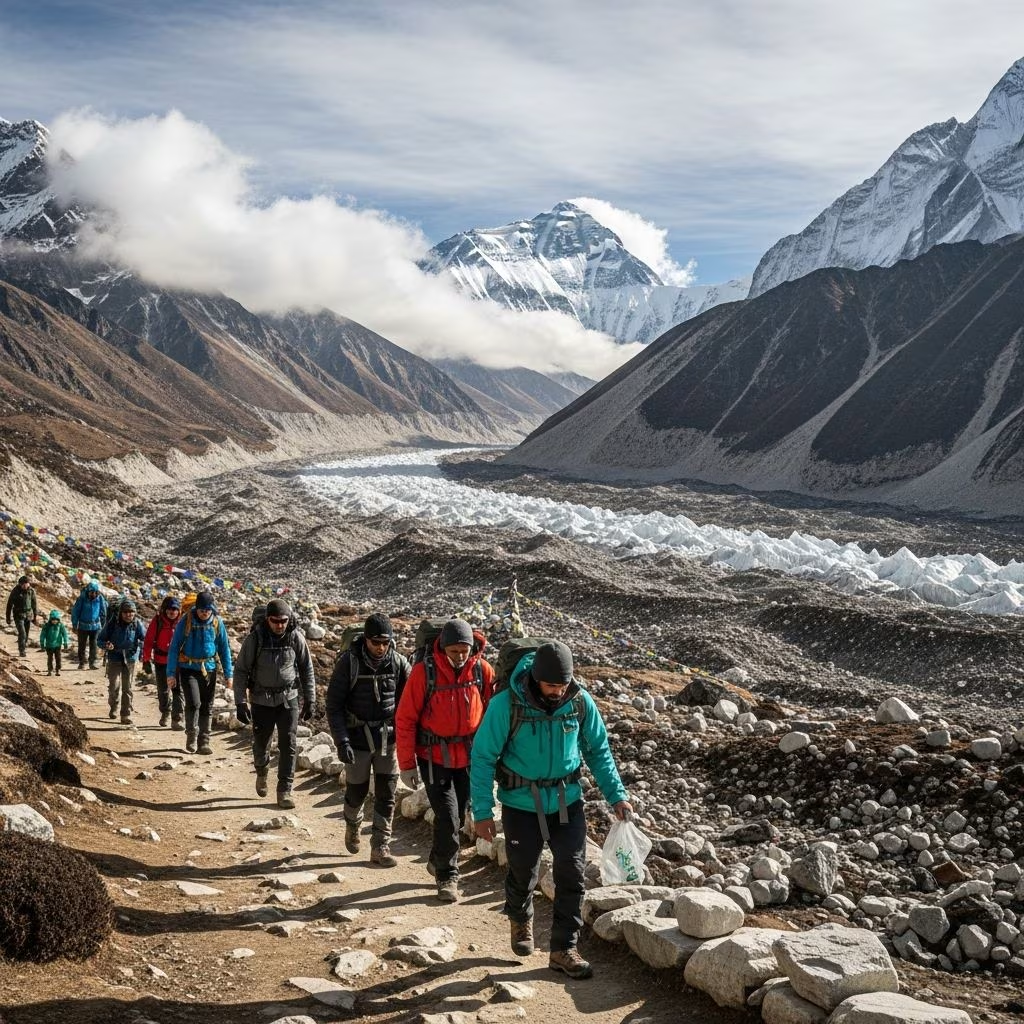
The Everest Base Camp trek stands as one of the world’s most iconic high-altitude adventures, drawing thousands of visitors annually to the shadows of Mount Everest in Nepal’s Sagarmatha National Park. However, this popularity brings challenges like waste accumulation, trail erosion, and resource strain on local communities. Adopting eco-friendly practices ensures that trekkers can experience the stunning Himalayan landscapes while safeguarding them for future generations.
The fragile alpine ecosystem of the Everest region faces significant pressures from tourism. High foot traffic leads to soil erosion, while improper waste disposal contaminates rivers and soils. Traditional reliance on firewood contributes to deforestation, threatening biodiversity. Sagarmatha National Park, a UNESCO World Heritage site, hosts unique flora and fauna that require protection. Trekkers play a vital role by following ‘leave no trace’ principles, which emphasize minimal impact on natural and cultural resources.
Climate change exacerbates these issues, with melting glaciers and unpredictable weather patterns. Responsible trekking mitigates human-induced damage, supporting conservation efforts by organizations like the Sagarmatha Pollution Control Committee (SPCC).
Effective waste handling is foundational to sustainable trekking. The ‘pack it in, pack it out’ rule is non-negotiable: carry reusable bags for all trash, including packaging from snacks and toiletries. Dispose of waste only at designated collection points, as high-altitude logistics make removal difficult.
Teahouses in the region are increasingly adopting eco-friendly disposal methods, but trekker cooperation is essential. Picking up litter encountered along the way amplifies positive impact, as noted by experts in the field.
Opting for alternative routes disperses tourist pressure from the main trail. The Gokyo Lakes and Cho La Pass itinerary forms a loop, avoiding retracing steps and offering serene views of turquoise lakes and glaciers. This path provides a quieter experience amid pristine nature, reducing overcrowding on popular segments.
Stick strictly to marked trails to prevent erosion and habitat disruption. Designated paths account for avalanche risks, weather, and terrain stability, protecting both trekkers and the environment. Venturing off-trail risks hidden dangers like crevasses and damages fragile vegetation.
Meals are a key opportunity for sustainability. Prioritize locally sourced dishes like dal bhat—lentils and rice—which are nutritious, culturally authentic, and minimize imported packaging waste. These staples fuel demanding ascents while boosting Sherpa livelihoods.
| Imported Foods (Avoid) | Local Alternatives (Choose) | Benefits |
|---|---|---|
| Bottled water, canned goods | Boiled water, dal bhat | Reduces plastic/tin waste, supports farmers |
| Packaged snacks | Fresh organic produce | Lowers transport emissions, healthier options |
| Imported proteins | Yak cheese, tsampa | Cultural immersion, zero packaging |
Eating what locals prepare fosters community ties and cuts down on resource-intensive imports.
Firewood dependency drives deforestation, so seek teahouses using solar panels for hot water and electricity. Before booking, check roofs for solar installations. If camping, request kerosene stoves over wood fires.
Communal yak-dung stoves are more sustainable than individual wood use. Conserve energy by layering clothing instead of requesting extra heating. Supporting reforestation initiatives through donations further aids recovery efforts.
Pack light to ease porter loads and reduce overall impact. Choose natural-fiber clothing like wool, cotton, or hemp over synthetics that shed microplastics. Versatile layers suit variable weather without frequent washing, preserving mountain water sources.
Respect Sherpa culture by learning basic Nepali phrases and customs. Hire licensed guides and porters from local cooperatives, ensuring fair wages. Avoid bargaining aggressively; fair trade sustains the economy.
Remind support staff not to litter, setting a positive example. Participate in clean-up drives organized by groups like SPCC, which have installed over 100 bins along trails.
Physical fitness is crucial: train with cardio, strength, and flexibility routines mimicking trail demands. Acclimatize properly over 12-15 days to avoid health issues that strain rescue resources.
Travel off-peak (shoulder seasons) to lessen congestion. Obtain permits supporting park fees for conservation. Independent trekkers should carry GPS and know emergency protocols.
Spring (March-May) and autumn (September-November) offer stable weather and fewer crowds than peak summer.
Choose agencies adhering to porter welfare standards: proper gear, insurance, and load limits under 30kg.
Teahouses with solar are preferable; if camping, use designated sites and kerosene.
Descend immediately; prevention via gradual ascent is key to avoiding helicopter rescues.
Yes, with self-sufficiency in waste management and trail adherence.
Beyond personal actions, advocate for policy changes like expanded waste facilities. Donate to verified NGOs focused on Himalayan reforestation and education. Share your eco-trek experiences to inspire others, amplifying collective impact.
Sustainable Everest Base Camp trekking transforms adventurers into stewards. By integrating these practices, you preserve the majesty of the world’s highest peaks.
