

 Travel Essentials
 Travel Essentials

Sweden's coastal city combines relaxed European charm with groundbreaking environmental commitments, offering travelers authentic experiences rooted in ecological responsibility.
 Travel Essentials
Nestled along Sweden’s western coast, a dynamic urban destination has emerged as a beacon for environmentally conscious travelers seeking authentic European experiences without compromising ecological values. This compact metropolitan area distinguishes itself not through flashy tourism infrastructure, but through genuine commitment to sustainable practices woven into the fabric of daily life. The city’s recognition as a leader in responsible tourism stems from measurable environmental achievements rather than mere marketing claims, offering visitors tangible evidence of how urban centers can balance quality of life with planetary stewardship.
What makes this destination particularly compelling is its multifaceted approach to sustainability. Rather than isolating environmental initiatives within a single tourism sector, the commitment permeates accommodation choices, dining establishments, transportation networks, and recreational activities. Travelers discover that choosing sustainable options rarely requires sacrifice—the city’s infrastructure naturally guides visitors toward lower-impact experiences while maintaining the comfort and convenience expected in contemporary travel.
The city’s sustainability credentials carry weight because they reflect independent third-party validation rather than self-promotional claims. In 2021, a major travel publisher designated the destination as the world’s best sustainable city stay, acknowledging that 97% of public transportation operates on renewable energy sources. This distinction wasn’t awarded arbitrarily; it recognized concrete infrastructure investments and operational practices that reduce environmental footprints across visitor services.
The environmental performance metrics extend beyond transportation. Approximately 95% of hotel accommodations hold formal environmental certifications, positioning the destination among the world’s greenest hotel cities. This remarkably high percentage means that travelers need not spend additional time researching accommodation options—the vast majority of lodging choices meet rigorous sustainability standards. Whether selecting a luxury property or budget-friendly alternative, guests typically support environmental stewardship through their booking decisions.
Beyond hotels, the city earned recognition as the European Capital of Smart Tourism in 2020, reflecting its holistic approach to balancing visitor experiences with environmental protection. The designation acknowledged forward-thinking policies alongside ecological initiatives, recognizing that sustainable tourism requires operational intelligence and planning sophistication alongside environmental commitment.
The foundation of the city’s sustainability story rests upon transportation systems designed around renewable energy and accessibility. The extensive tram network operates entirely on fossil-free electricity, providing efficient connectivity throughout urban neighborhoods without environmental compromise. This transportation backbone enables visitors to explore diverse districts and attractions without personal vehicles, reducing carbon emissions while offering immersive neighborhood experiences.
The city’s commitment to electrifying transportation extends beyond fixed-rail systems. Approximately 1,750 rental bicycles provide cost-effective, zero-emission mobility for exploring compact neighborhoods and waterfront areas. The bike infrastructure reflects decades of Nordic urban planning priorities, with dedicated cycling lanes and logical route networks that make pedal-powered exploration intuitive for visitors unfamiliar with local geography.
For those preferring motorized transport, public transit incorporates increasingly electric buses and ferries as part of systematic electrification goals targeting complete transition by 2030. This infrastructure evolution means that visitors making transportation choices today experience services transitioning toward zero-emission operations—observable evidence of sustained environmental commitment rather than aspirational messaging.
The pocket-sized metropolitan scale contributes significantly to transportation sustainability. Most attractions, neighborhoods, and amenities cluster within walking distance, naturally reducing transportation dependency. Visitors can experience diverse cultural venues, dining establishments, and shopping districts through leisurely strolls rather than exhausting transit networks, transforming limited mobility into an advantage for environmental impact reduction.
Hotel sectors typically represent significant tourism environmental impacts, making accommodation choices particularly consequential for responsible travelers. The city’s achievement of 88-95% environmental certification rates fundamentally transforms lodging decisions. Rather than requiring extensive research to identify sustainable hotels, guests can confidently book properties across all price ranges and styles knowing environmental standards apply widely.
Several properties demonstrate exceptional environmental leadership. A luxury establishment maintains one of Europe’s largest environmental certifications, with waste reduction achievements reaching 93% recycling rates. Mid-range options implement innovative practices such as cultivating vegetables on rooftop gardens, directly sourcing restaurant ingredients from property-grown produce. Budget accommodations challenge conventional hotel operations by pursuing sustainability certifications and operational practices that minimize ecological footprints.
This widespread environmental commitment among accommodations reflects municipal policies rather than isolated corporate initiatives. The city extends sustainability grants to businesses implementing enhanced environmental practices, creating financial incentives aligned with ecological goals. This systemic approach ensures that environmental improvements proliferate throughout the hospitality sector rather than remaining limited to pioneering properties.
Dining represents another domain where the city’s sustainability commitments manifest concretely. Numerous establishments prioritize seasonal ingredients, traceable sourcing, and producer relationships that support local ecological practices. Restaurant menus reflect seasonal availability rather than forcing year-round supply chains, naturally reducing transportation distances and refrigeration requirements while optimizing nutritional content and flavor profiles.
Seafood sourcing receives particular attention, with responsible establishments committing to wild-caught stocks from sustainable fisheries or documented relationships with certified producers. This sourcing transparency enables diners to understand ecological contexts behind meals while supporting fishing practices that preserve marine ecosystems. The practice transforms dining from passive consumption into conscious participation in environmental stewardship.
Vegetarian and vegan dining options proliferate throughout the city, with several establishments building entire culinary identities around plant-based cuisine. This diversity enables visitors with varying dietary preferences to participate in sustainable dining without restriction or compromise. Coffee houses and bakeries emphasize organic ingredients and ecological production methods, ensuring that casual meals and refreshments align with sustainability values.
Particularly innovative establishments operate creative food-waste reduction programs. One venue features a restaurant serving meals prepared from surplus and previously destined food ingredients, combining waste prevention with accessible pricing and culinary innovation. These initiatives transform sustainability from consumer restriction into positive opportunity, demonstrating that environmental responsibility enhances rather than diminishes culinary experiences.
Entertainment and recreational activities offer visitors memorable experiences while supporting environmental practices. An annual music festival held in public parkland serves exclusively vegetarian cuisine, with large vegan offerings alongside traditional Nordic ingredients. Operating since at least 2012 on completely plant-based food service, the festival demonstrates decade-long commitment to reducing entertainment-sector environmental impacts. The event achieved Sweden’s first KRAV ecological certification for a music festival, establishing benchmarks for comparable entertainment venues nationwide.
A major amusement park provides another compelling example of recreational sustainability. Operating on 100% renewable energy sources, the facility implements sophisticated energy management where certain attractions generate electricity for themselves and neighboring rides. Dining options within the park emphasize sustainable sourcing, with KRAV-labeled restaurants, organic cotton candy, and eco-labeled confections available at prize stands. Annual waste management captures approximately 2,000 tons of material for sorting and recycling, with food waste converted into biogas rather than landfilled.
An annual culture festival offers free programming including performances, theater, cinema, and innovative dining experiences, emphasizing accessibility and positive social change alongside entertainment value. This combination of artistic programming with sustainability focus positions cultural participation as integral to the destination’s identity rather than supplementary environmental messaging.
Retail and shopping culture throughout the city increasingly emphasizes circular economy principles and conscious consumption. Numerous second-hand establishments across diverse neighborhoods offer vintage items, antique goods, and recirculated clothing, attracting both locals and visitors seeking unique finds while minimizing fashion industry environmental impacts. These shops concentrate in specific neighborhoods, creating shopping districts where visitors can explore curated vintage selections alongside cafes and restaurants featuring sustainable menus.
The proliferation of second-hand retail reflects broader cultural shifts toward consumption patterns questioning fast-fashion economics and disposable goods. Shopping experiences transform into cultural and historical explorations as visitors discover aged items reflecting Nordic design sensibilities and craftsmanship traditions. This approach to retail simultaneously addresses environmental concerns and enhances visitor experiences through authenticity and story-laden discoveries.
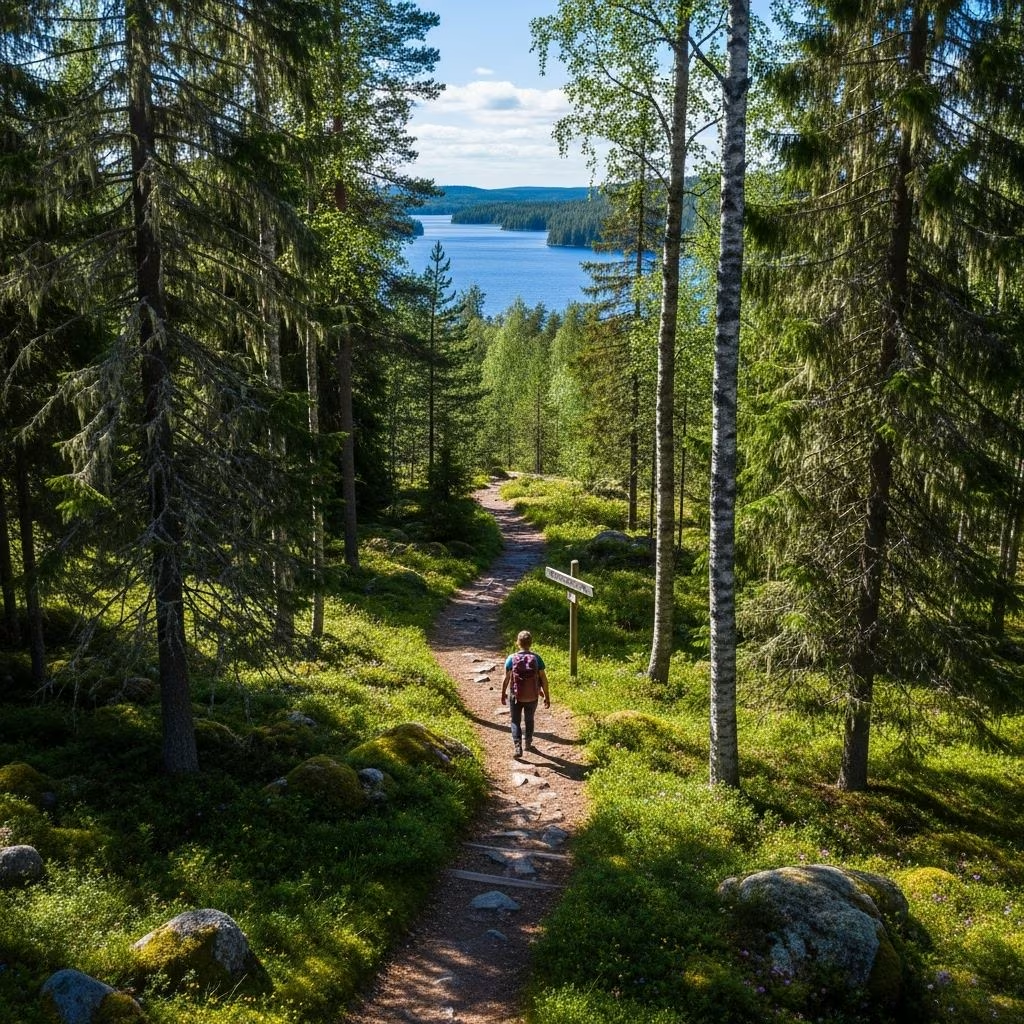
Natural experiences complement urban sustainability achievements. Tree camping accommodations within nature reserves 15 kilometers from city centers offer immersive outdoor experiences. Tree-tent facilities transform nature appreciation from distant aspirations into accessible adventures, with guided outdoor tours and open-flame cooking instruction available through local operators. These activities prioritize relationship-building between visitors and natural environments rather than extractive tourism models.
Nearby nature reserves and hiking trails provide accessible recreation without extensive travel requirements. Pilgrimage walking routes integrate tree-camping stops, enabling visitors to combine spiritual or contemplative walking with accommodation choices minimizing ecological footprints. The proximity of nature to urban centers reflects Nordic geography and urban planning philosophy valuing accessible natural spaces.
The city’s long-term environmental goals extend beyond current achievements. Municipal planning includes developing a zero-emission transportation zone encompassing central city sections, representing infrastructure investments ensuring continued progress toward fossil-fuel independence. The commitment reflects systematic urban transformation rather than incremental adjustments, positioning the destination for continued leadership in sustainable tourism practices.
Municipal policies supporting business sustainability grants create financial mechanisms aligning private sector interests with ecological goals. This approach differs from regulatory requirements or prohibitions, instead offering positive incentives encouraging environmental practice improvements. Restaurants, hotels, and entertainment venues operating under sustainability grants demonstrate how financial policy shapes industry behavior across tourism sectors.
Visitors prioritizing environmental responsibility benefit from the city’s infrastructure and cultural orientation toward sustainability. Public transportation networks eliminate car rental necessity for most travel purposes, with tram and bus systems connecting major attractions efficiently. Walking and cycling between neighborhoods enables intimate urban exploration while maintaining minimal environmental impact.
Accommodation selection requires minimal research given widespread environmental certification rates. Booking through sustainability-focused accommodation listings simplifies identification of certified properties, though the majority of options meet rigorous standards. Dining choices similarly benefit from abundant vegetarian, vegan, and sustainably-sourced options throughout the city, enabling ethical eating without restriction.
Seasonal visitation patterns affect environmental impacts and experience quality. Summer months bring festival programming and outdoor activity opportunities, while quieter seasons reduce visitor volume pressures on natural areas and cultural venues. Planning around festival schedules enables participation in celebrated sustainability-focused events while distributing visitor presence throughout the year.
How do I travel sustainably within the city?
Public transportation, particularly trams operating on fossil-free electricity, provides primary mobility. Rental bicycles offer zero-emission alternatives for shorter distances, while most attractions cluster within walking range in compact neighborhoods. Personal vehicle rentals are unnecessary for typical visitor itineraries.
Are sustainable accommodations more expensive?
Environmental certification applies to 88-95% of hotel rooms across all price ranges and styles. Budget, mid-range, and luxury properties all maintain environmental standards, meaning sustainable choices don’t require premium pricing.
What dining options exist for various dietary preferences?
Abundant vegetarian and vegan restaurants, cafes, and eateries serve plant-based cuisine alongside traditional Nordic offerings. Most establishments emphasize seasonal ingredients and traceable sourcing regardless of dietary focus.
When should I visit for optimal sustainability and experience?
Summer months offer festival programming and outdoor recreation, while quieter seasons reduce environmental pressures. Early autumn provides pleasant weather and active cultural programming with reduced visitor volume.
How are tourism revenues reinvested in sustainability?
Municipal sustainability grants to businesses encourage environmental practice improvements throughout hospitality and dining sectors. Tax structures and planning policies align development incentives with ecological goals.
