

 Travel Essentials
 Travel Essentials

Explore Spain's sustainable tourism initiatives, from renewable energy leaders to eco-destinations, green accommodations, and tips for low-impact travel.
 Travel Essentials
Spain stands at the forefront of global sustainable tourism, boasting the highest number of UNESCO biosphere reserves and one of Europe’s largest Natura 2000 networks, which protect diverse ecosystems while welcoming responsible visitors. This leadership extends beyond environmental protection to include socio-economic growth, cultural preservation, and community benefits, as outlined in the nation’s Sustainable Tourism Strategy for 2030. Travelers can enjoy vibrant landscapes, from Pyrenean peaks to Mediterranean coasts, while contributing positively through mindful choices.
The Spanish government has crafted a comprehensive Sustainable Tourism Strategy of Spain 2030, emphasizing three pillars: socio-economic advancement, environmental and cultural preservation, and equitable social benefits. This initiative addresses challenges like rural depopulation and over-tourism by promoting competitiveness, heritage conservation, and benefit-sharing across communities. Participatory processes involving sectors and regions ensure broad implementation, fostering long-term resilience in the tourism industry.
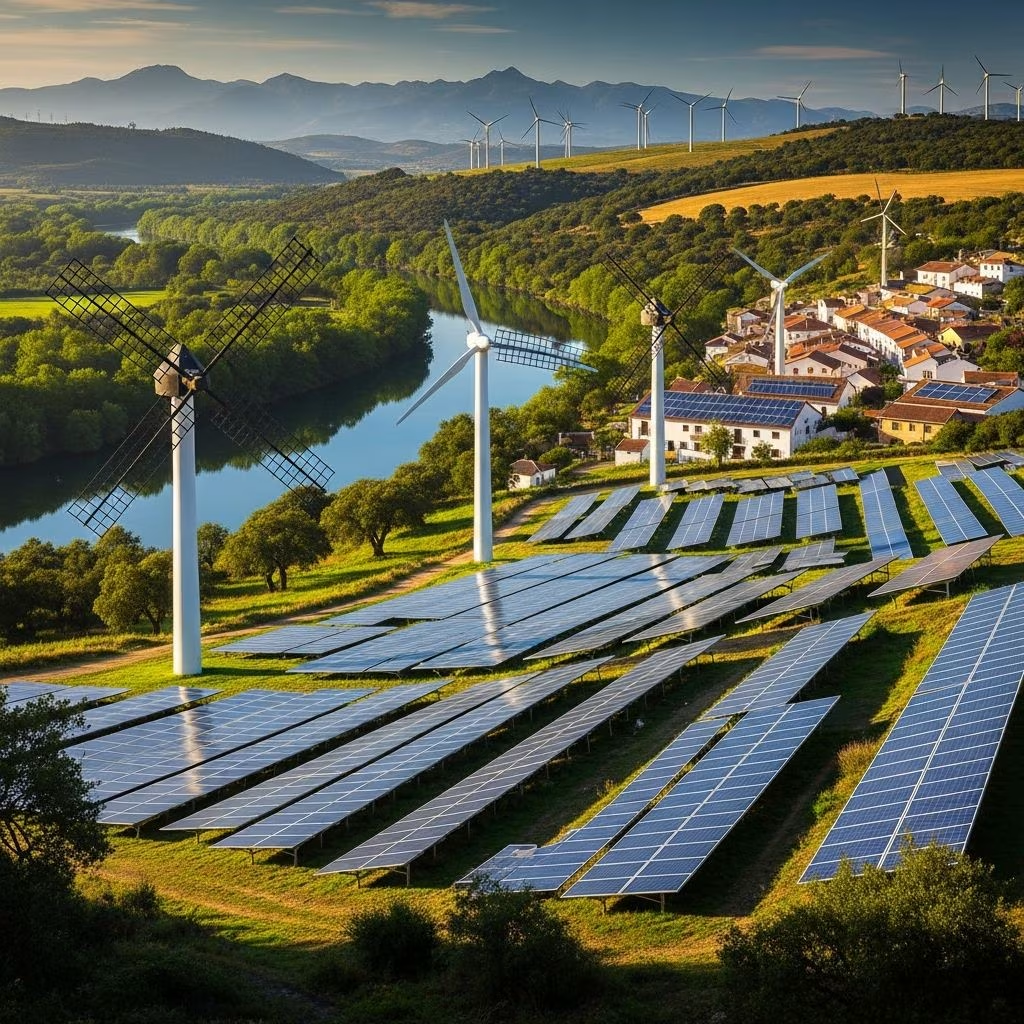
Complementing this, Spain excels in renewable energy, powering much of its tourism infrastructure with solar and wind sources. Iconic sites like the Solar Platform of Almería and Tarifa’s Wind Power Park demonstrate this prowess, allowing visitors to witness clean energy in action. These efforts reduce fossil fuel dependence, with eco-communities generating their own electricity via solar panels, setting a model for sustainable living that tourists can emulate.
Spain offers a spectrum of sustainable spots, from northern wilds to southern islands, each certified or committed to green practices. These areas prioritize biodiversity, local economies, and low-impact activities, making them ideal for eco-conscious trips.
Other gems include Andalusia’s Sierra de Grazalema for nature lodges and the Pyrenees for rewilding projects, where visitors support lesser-known regions to alleviate coastal pressures. With 419 Blue Flag beaches ensuring clean waters, marine life thrives alongside swimmer safety.
Eco-friendly stays proliferate across Spain, from urban energy-efficient hotels to rural lodges using local materials and renewables. Features like water-saving systems and on-site solar power minimize footprints without sacrificing comfort. Regions like the Canary Islands, Costa Brava, and Grazalema lead, offering immersive nature experiences.
Supporting locals amplifies impact: buy artisanal goods, dine on zero-kilometer produce, and choose operators upholding ethical standards. This bolsters economies, preserves traditions, and counters depopulation in inland areas. Organic farms and community tours provide authentic insights, turning vacations into regenerative acts.
Minimize your footprint with everyday actions tailored to Spain’s context. Opt for public transport or bikes to cut emissions; Valencia’s tracks exemplify seamless integration. Shun single-use plastics via reusables, conserve water in arid zones, and avoid wildlife interference to safeguard biodiversity.
| Action | Benefit | Spanish Example |
|---|---|---|
| Public Transport | Reduces emissions | High-speed trains to parks |
| Local Dining | Supports economy | Zero-km foods in Andalusia |
| Ethical Tours | Preserves culture | Certified operators in Catalonia |
| Water Saving | Aids conservation | Hotel systems in islands |
Cultural sensitivity—respecting customs without appropriation—enhances exchanges. Certifications from sustainability.spain.info guide choices in lodging, transport, and activities.
Spain’s green energy landscape educates and inspires. Almería’s solar platforms and Tarifa’s turbines not only power regions but invite tours showcasing innovation. Islands like El Hierro pioneer full renewable autonomy, blending solar, wind, and hydrogen for self-reliance. These sites underscore tourism’s role in sustainability advocacy.
Despite progress, issues like Mediterranean sewage (60% untreated, tourism-contributing) persist, though Blue Flag initiatives counter this. Overtourism strains hotspots, prompting shifts to inland and ethical models. Spain’s strategy targets these, aiming for balanced growth by 2030.
Its UNESCO reserves, Natura 2000 sites, and 2030 strategy focus on environment, economy, and society.
Barcelona (first certified) and Valencia (bike-friendly) excel in sustainable city breaks.
Yes, El Hierro in the Canaries is self-sufficient via solar, wind, and hydrogen.
Use resources like sustainability.spain.info for verified green stays and operators.
Reduce plastics, use public transport, support locals, and respect wildlife.
