

 Travel Essentials
 Travel Essentials

Learn sustainable practices for hiking, biking, watersports, dining, and transport in Lake Tahoe to preserve its pristine beauty for future generations.
 Travel Essentials
Lake Tahoe, straddling California and Nevada, captivates with its crystal-clear waters and towering Sierra Nevada peaks. This alpine paradise faces pressures from tourism, making sustainable practices essential for preservation. Visitors can enjoy thrilling activities while minimizing impact through thoughtful choices in recreation, mobility, and daily habits.
The lake’s clarity, renowned worldwide, results from its oligotrophic status—nutrient-poor waters supporting diverse aquatic life. Erosion from off-trail travel and litter threaten this balance. Staying on paths prevents soil disturbance, while proper waste management keeps pollutants out of the water. Community efforts, including stewardship councils, coordinate cleanups and education to maintain these standards.
Tahoe offers accessible trails for all abilities. Paved paths like those near Pope-Baldwin and South Lake Tahoe provide scenic routes through forests and beaches, suitable for wheelchairs and bikes. For adventure seekers, Desolation Wilderness spans nearly 64,000 acres of rugged terrain, ideal for backpacking and horseback riding. Summit Mount Tallac’s 9,740-foot peak for sweeping vistas, but adhere to Leave No Trace principles: stick to trails, pack out trash, and carry reusable water bottles to stay hydrated without single-use plastics.
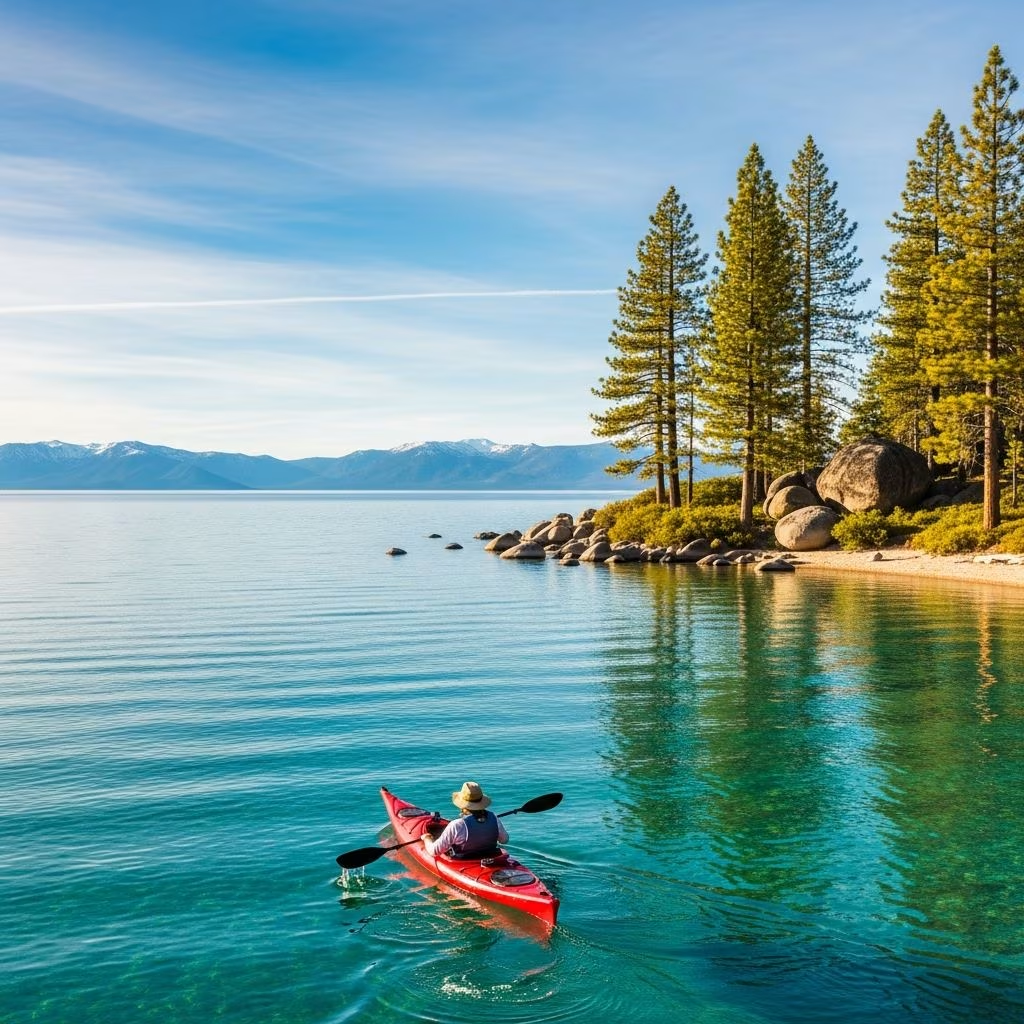
Paddling kayaks or stand-up paddleboards along the 72-mile Lake Tahoe Water Trail accesses secluded coves and granite shores without motor noise. Launch from 20 trailheads, such as Sand Harbor for boulder gardens. Guided tours from outfitters teach ecosystem protection alongside navigation. Night paddles with LED lights add magic without harming nocturnal wildlife. Avoid gas-powered boats to reduce fuel spills and emissions.
| Activity | Launch Spots | Sustainability Benefit |
|---|---|---|
| Kayaking | Emerald Bay, Sand Harbor | Zero emissions, quiet exploration |
| Paddleboarding | Fannette Island coves | Low wake, wildlife-friendly |
| Guided Tours | Incline Village | Educational on local conservation |
Reduce congestion and emissions by ditching the car. Rent e-bikes or standard bikes from South Shore outfitters to cruise dedicated paths. Lime scooters offer short-hop convenience. Lake Link Microtransit provides on-demand shuttles via app—free, ADA-accessible with bike/ski racks, running extended hours in peak season. Walking networks connect beaches, shops, and trails, promoting health and efficiency.
South Tahoe’s eateries emphasize farm-to-table fare. Spots like organic cafes serve veggie-packed salads, smoothies, and burritos using local produce, cutting transport emissions. Opt for places open late for post-adventure meals. Bring reusable containers for takeout to slash plastic waste. Tahoe’s tap water rivals bottled brands—refill and savor.
Choose lodgings from sustainability maps highlighting eco-practices, local hiring, and inclusivity. Boutique shops and family-run stores offer regionally made goods, shrinking supply chain footprints. Prioritize these over chains to bolster the economy and environment.
Amplify impact through participation. Join beach cleanups, trail maintenance, citizen science monitoring water quality, or volunteer as park ambassadors. Stewardship programs at trailheads educate on-site. The Lake Tahoe Stewardship Council unites stakeholders for long-term plans, including solar trash compactors and awareness campaigns.
A set of principles for ethical outdoor use: plan ahead, travel on durable surfaces, dispose of waste properly, leave what you find, minimize campfire impacts, respect wildlife, and be considerate of others.
Yes, Lake Link shuttles are complimentary, app-based, and equipped for accessibility and gear.
Visibility reaches 70+ feet due to low nutrients; protected by erosion control and pollution prevention.
Shoulder seasons (spring/fall) reduce crowds; summer offers full services, winter focuses on snow-friendly options.
Day-use quotas and overnight permits for Desolation Wilderness via recreation.gov.
Beyond individual actions, regional initiatives thrive. The Tahoe Fund’s restoration projects combat erosion with native plantings. Government partnerships enforce clarity thresholds—fines for violations fund monitoring. Visitor centers provide interactive exhibits on the water cycle and biodiversity. Educational programs in museums like those in nearby Truckee immerse families in river ecology and renewable energy, fostering lifelong stewardship.
Climate resilience plans address wildfires through controlled burns and community education. Solar-powered facilities and EV charging stations expand green infrastructure. Metrics track success: annual clarity measurements, waste diversion rates, and tourism carbon footprints guide improvements.
Choosing sustainable travel here means thriving adventures amid unspoiled nature. From dawn paddles to starry bike rides, every low-impact decision safeguards Tahoe’s legacy.
