

 Travel Essentials
 Travel Essentials

Discover how Menorca preserves its beaches, trails, and heritage with low-impact travel, eco-stays, local food, and sustainable adventures.
 Travel Essentials
Menorca, a serene gem among Spain’s Balearic Islands, exemplifies how tourism can coexist with environmental stewardship. Designated a UNESCO Biosphere Reserve since 1993, the island protects over 40% of its land and prioritizes sustainability in its visitor economy. Unlike its bustling neighbors, Menorca welcomes about 1.5 million tourists annually, maintaining its unspoiled landscapes through thoughtful policies and community efforts.
The island’s dedication to nature dates back decades, resisting mass tourism waves that transformed Mallorca and Ibiza. This foresight led to the UNESCO status, encompassing diverse ecosystems from wetlands to coastal cliffs. Central to this is the Parc Natural s’Albufera des Grau, a 50-square-kilometer haven with freshwater lagoons supporting rare birdlife and flora.
Menorca’s future goals are ambitious: phasing out fossil fuels by 2030 and sourcing 85% of energy from renewables. Efforts also include seeking UNESCO World Heritage recognition for Talayotic sites like Naveta d’es Tudons, ancient stone structures that highlight prehistoric heritage. Marine protection is equally vital, with the Balearic Islands’ largest marine reserve spanning 5,119 hectares, banning destructive fishing and safeguarding species like groupers and octopuses.
Menorca’s lodging options reflect its eco-ethos, favoring low-impact stays over high-rise resorts. Many properties are agroturismes—restored farmhouses blending rustic charm with modern sustainability. These conversions revive historic buildings while minimizing environmental footprints through energy-efficient designs.
Since 2016, a sustainable tourism tax (ITS) of €0.50 to €4 per person per night funds conservation projects across the Balearics. Visitors indirectly support beach cleanups, habitat restoration, and renewable infrastructure. Private villa owners further green operations by ditching single-use plastics like mini shampoos and installing efficient appliances.
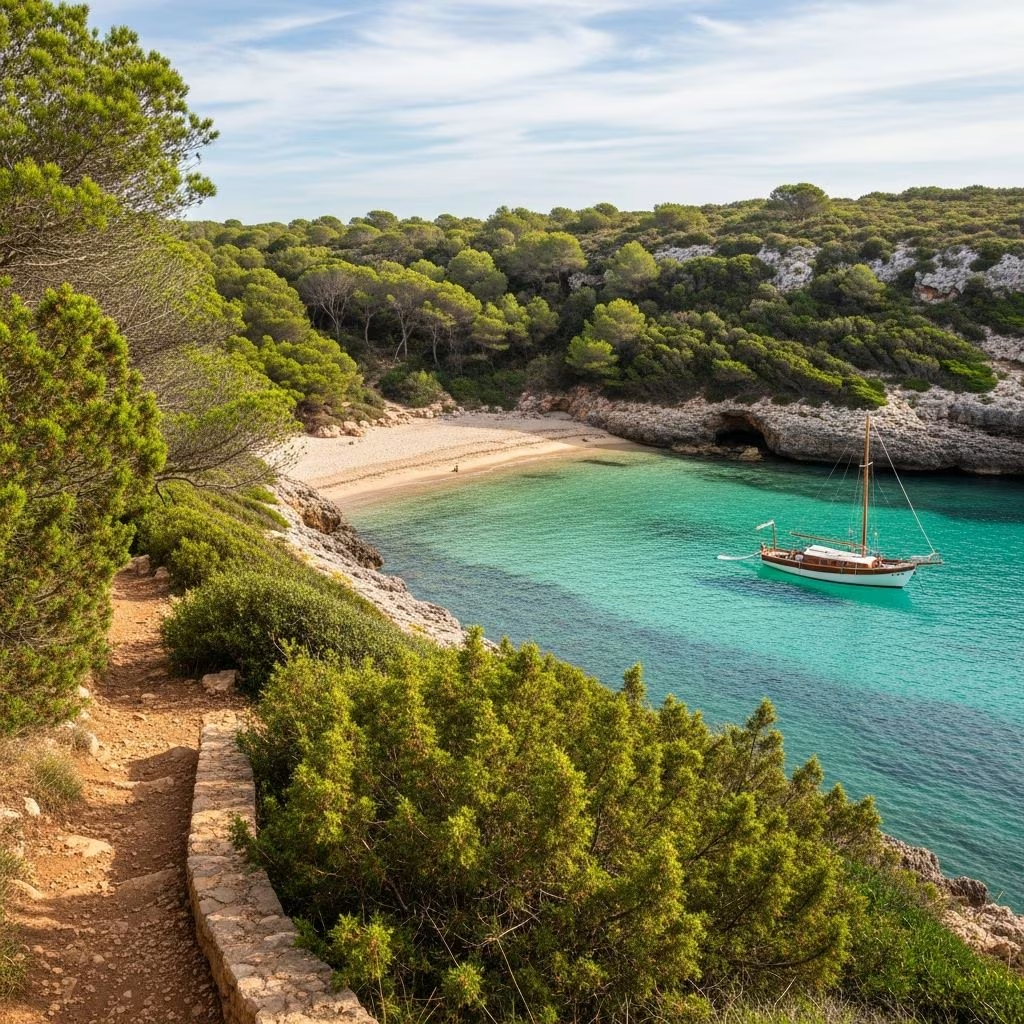
Menorca’s 216-kilometer Camí de Cavalls coastal path offers immersive hikes through pine-scented forests, rocky calas (coves), and turquoise bays. This 360-degree loop reveals the island’s geological wonders without vehicles.
Protected areas cover 42% of the land, including wetlands teeming with migratory birds and inland hills dotted with olive groves. Guided eco-tours by locals like Isabel Martin Sintes connect visitors to biodiversity, promoting regenerative practices. Active pursuits like cycling and kayaking align with sustainability, reducing carbon footprints compared to motorized tours.
| Activity | Green Benefits | Key Spots |
|---|---|---|
| Hiking Camí de Cavalls | No emissions, scenic immersion | South coast calas, northern cliffs |
| Birdwatching | Supports conservation awareness | Albufera des Grau |
| Snorkeling/Diving | Non-invasive marine observation | Marine Reserve zones |
| Cycling | Low-impact exploration | Inland villages and farms |
Menorca’s farm-to-table scene thrives on local produce, cheeses, and seafood, sustaining small-scale agriculture and fishing. Dining at Biosphere-certified eateries ensures fresh, seasonal ingredients with minimal transport emissions.
Traditional ensaimadas and mahonés cheese highlight island flavors. Markets in Mahón and Ciutadella brim with organic goods, while farm visits offer insights into sustainable viticulture—Menorca produces unique wines from indigenous grapes.
Avoid imported luxuries; prioritize venues reducing plastic waste and supporting zero-waste initiatives like Destination Zero Waste Menorca, which maintains plastic-free beaches.
The island’s coastline sparkles with over 100 beaches, many accessible only by foot or sea. Dive sites in protected waters reveal vibrant reefs, with operators adhering to no-touch policies.
Boat tours now favor electric vessels or sailing to cut pollution. Initiatives ban trawling in reserves, preserving posidonia seagrass meadows vital for oxygen production and fish habitats.
Responsible travel bolsters Menorca’s traditions, from summer fiestas to artisan crafts. Visit Talayotic navetas—megalithic tombs predating Stonehenge—and hilltop villages preserving dry-stone walls.
Engage locals through homestays or workshops on cheesemaking, fostering economic resilience beyond high season. This counters overtourism risks seen in neighboring islands, keeping Menorca’s 700-square-kilometer oasis intact.
To minimize your footprint:
Off-peak travel (spring/fall) enjoys milder weather and fewer crowds, aiding resource balance.
Menorca pioneers projects like beach plastic bans and renewable pushes. The TUI Care Foundation’s zero-waste beaches set precedents, while active tourism—hiking, yoga retreats—diversifies beyond sunbathing.
Stakeholder collaboration, including villa collectives, promotes AC efficiency tips and local procurement. These efforts position Menorca as a Top 100 sustainable destination.
UNESCO recognized it in 1993 for balancing conservation, development, and community logistics across its ecosystems.
Yes, the ITS tax (€0.50-€4/night) funds green projects since 2016.
May-June or September-October for optimal weather and lower impact.
Look for the blue Biosphere Reserve Seal on hotels, restaurants, and tours.
Yes, in marine reserves with certified guides avoiding endangered species zones.
Despite successes, rising visitors strain water supplies and waste systems. Menorca combats this via caps on cruise ships and promotion of slow travel. By 2030, renewable dominance will further solidify its model.
Travelers play a key role: choosing green, respecting rules, and spreading awareness ensures this paradise endures.
