

Food & Culture Stays Travel Essentials Travel Guides Trip Ideas
Categories
From the Blog
Remy’s Ratatouille Adventure at EPCOT: Ride Review, Tips & 2D Update
Travel Essentials

Sustainable Travel in the Florida Keys: Eco-Friendly Guide

Learn how to travel responsibly in the Florida Keys through eco-friendly activities, accommodations, and conservation efforts that preserve coral reefs, marine life, and natural habitats.
Travel Essentials

The Florida Keys, a chain of over 1,700 islands stretching 120 miles off Florida’s southern tip, boast some of the world’s most biodiverse marine environments. Home to vibrant coral reefs, mangrove forests, and unique wildlife like Key deer and manatees, this archipelago attracts millions of visitors annually. However, its delicate ecosystems face threats from climate change, pollution, and overtourism. Responsible travel here means embracing practices that protect these treasures while allowing immersive experiences. This guide outlines actionable ways to enjoy the Keys sustainably, from low-impact activities to supporting local conservation.

Understanding the Environmental Challenges

The Florida Keys’ ecosystems are under pressure. Coral reefs, which form the backbone of the region’s biodiversity, have suffered from bleaching events due to rising ocean temperatures. Mangroves, vital for coastal protection and fish nurseries, are vulnerable to rising sea levels. Wildlife, including endangered species, contends with habitat loss and human disturbance. Sustainable tourism counters these issues by promoting low-impact visitation, habitat restoration, and community involvement. Visitors who adopt these principles contribute to long-term preservation.

Top Eco-Friendly Activities

Engage in adventures designed to minimize harm and maximize education. Prioritize operators certified in sustainable practices.

  • Snorkeling and Diving in Protected Areas: John Pennekamp Coral Reef State Park in Key Largo offers guided tours where you can observe colorful fish, turtles, and corals without touching. Use reef-safe sunscreen and follow ‘look but don’t touch’ rules to prevent damage.
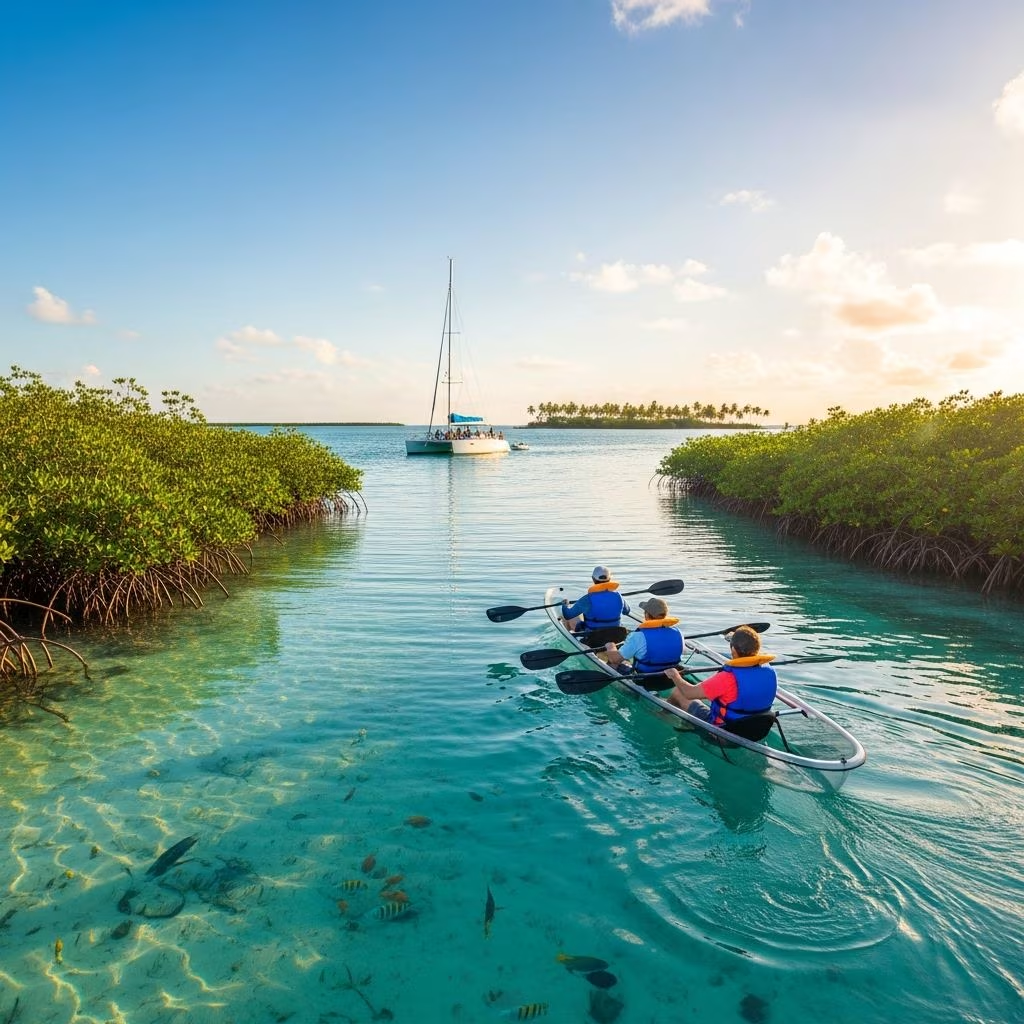
  • Kayaking Through Mangroves: Paddle designated trails in areas like the Florida Keys National Marine Sanctuary. These calm waters reveal birds, crabs, and fish while avoiding propeller damage from motorized boats.
  • Wildlife Boat Tours: Join eco-charters like those spotting manatees and dolphins. Captains trained in no-wake zones and wildlife distancing ensure minimal disturbance.
  • Biking and Hiking Trails: Explore paths on Key Largo or Big Pine Key to spot Key deer in their natural habitat, reducing vehicle emissions.

These activities not only thrill but educate, fostering a deeper appreciation for conservation.

Choosing Green Accommodations

Opt for lodges committed to sustainability. Many properties use solar power, water conservation systems, and native landscaping.

PropertyLocationSustainable Features
Cheeca Lodge & SpaIslamoradaSolar energy, reef-safe products, on-site mangrove restoration
Little Palm Island ResortLittle Torch KeyPartners with MOTE Marine Lab for coral planting, zero-waste initiatives
Playa Largo ResortKey LargoElectric vehicle charging, organic gardens, beach clean-up programs

Booking these supports direct conservation funding and models responsible hospitality.

Conservation Projects You Can Join

Active participation amplifies your impact. Several initiatives welcome volunteers.

  • Coral Reef Restoration: MOTE Marine Laboratory runs programs where divers plant nursery-grown corals, combating bleaching. Resorts like Little Palm Island donate proceeds from special packages to these efforts.
  • Beach and Underwater Clean-ups: Organizations host regular events removing plastics and debris that harm marine life. Check local schedules via the Florida Keys National Marine Sanctuary.
  • Wildlife Monitoring: Assist at the Florida Keys National Wildlife Refuges by tracking Key deer populations or bird nesting.
  • Lionfish Removal: Join hunts to cull this invasive species, which preys on native fish; many turn the catch into culinary events.

These hands-on experiences create lasting connections and tangible results.

Practical Tips for Low-Impact Travel

Small choices make big differences:

  • Apply biodegradable sunscreen and skip sprays to protect reefs.
  • Choose electric or hybrid boats over gas-powered ones.
  • Pack reusable water bottles; many parks offer refill stations.
  • Support local seafood from sustainable fisheries, avoiding overfished species.
  • Stay on marked trails to prevent erosion and habitat trampling.
  • Use reef-friendly cleaning products in rentals.

Follow the ‘Ten Keymandments’ promoted by local tourism boards: respect wildlife distances, dispose of waste properly, and support eco-operators.

Eco-Dining and Local Support

Savor fresh, sustainable cuisine. Restaurants source from local farms and fisheries practicing responsible harvesting. Try Key lime pie from organic growers or lionfish tacos from removal programs. Markets like the Key West Farmers Market offer plastic-free produce. Dining locally cuts food miles and bolsters the economy, funding further green initiatives.

The iconic drive from Miami to Key West spans 113 miles of bridges. To green it up:

  • Rent hybrid or electric vehicles.
  • Stop at eco-sites like the Dolphin Research Center for ethical encounters.
  • Limit idling to reduce emissions.

Public shuttles and bikeshares in Key West further slash footprints.

Long-Term Impacts and Visitor Role

Sustainable tourism has restored reefs and boosted wildlife numbers. Visitor contributions via fees fund the National Marine Sanctuary, protecting 2,900 square miles. By choosing responsibly, you help combat overtourism’s effects, ensuring the Keys remain viable for future explorers.

Frequently Asked Questions (FAQs)

What is the best time for eco-travel to the Florida Keys?

Winter (December-April) offers mild weather and fewer crowds, ideal for reef activities before summer heat and hurricanes.

Are there certifications for sustainable operators?

Yes, look for Florida Keys National Marine Sanctuary ‘Green Circle’ or Blue Star Operator status, ensuring wildlife-safe practices.

How can families participate in conservation?

Kids-friendly clean-ups, junior ranger programs at refuges, and guided nature walks teach stewardship playfully.

Is scuba diving sustainable here?

Absolutely, with PADI eco-aware courses and no-touch policies at sites like Molasses Reef.

What if I want to minimize plastic use?

Many resorts are plastic-free; bring reusables and shop at zero-waste stores in Key West.

Embracing these strategies transforms your trip into a force for good, blending adventure with guardianship of the Florida Keys’ irreplaceable beauty.

References

  1. Ecotourism Florida: Explore Eco-Friendly Travel in the Florida Keys — Sustainable Business Magazine. 2023-06-15. https://sustainablebusinessmagazine.net/eco-review/ecotourism-florida-explore-eco-friendly-travel-in-the-florida-keys/
  2. Eco-Friendly Travel | Sustainable Tourism in Florida Keys — Visit Florida Keys. 2024-03-10. https://visitfloridakeys.com/plan-your-trip/find-your-vibe/sustainable-travel/green-travel
  3. Connect and protect in the Florida Keys: 5 sustainable adventures — Wanderlust Magazine. 2023-11-20. https://www.wanderlustmagazine.com/inspiration/things-to-do-in-the-florida-keys/
  4. 5 sustainable initiatives in the Florida Keys worth experiencing — Chronic Wanderlust. 2024-01-05. https://www.chronic-wanderlust.com/sustainable-initiatives-florida-keys/
  5. An Eco Traveler’s Guide to The Florida Keys & Key West — Flamingo Magazine. 2025-05-29. https://flamingomag.com/2025/05/29/the-florida-keys/
ME
medha deb
Medha Deb is an editor with…

Medha Deb is an editor with a master's degree in Applied Linguistics from the University of Hyderabad. She believes that her qualification has helped her develop a deep understanding of language and its application in various contexts. Medha specializes in the areas of beauty, health, sports, and wellness and is committed to ensuring that the content on the website is of the highest quality.Medha's passion for writing and editing began early in life when she joined a book writer's club with her mother. It was there that she discovered her love for the written word and the power it holds to inform, inspire, and transform lives. Since then, she has honed her skills as a writer and editor, working with a variety of clients and publications to produce compelling and informative content. Currently, she writes and edits for CultureTreker.She is also an ardent animal lover and dedicates her time and resources to the foster care of neonatal kittens, providing them with the love and attention they need to thrive. Her commitment to animal welfare is a testament to her compassion and empathy, and it underscores her belief in the importance of caring for the most vulnerable members of our society.

← Previous
Bora Bora Travel Guide: Best Time, Stays, Things to Do
‹›
