

 Travel Essentials
 Travel Essentials

Discover Wakayama’s blend of sacred trails, temple stays, coastal beauty, and local food—an inspiring model of sustainable travel in Japan.
 Travel Essentials
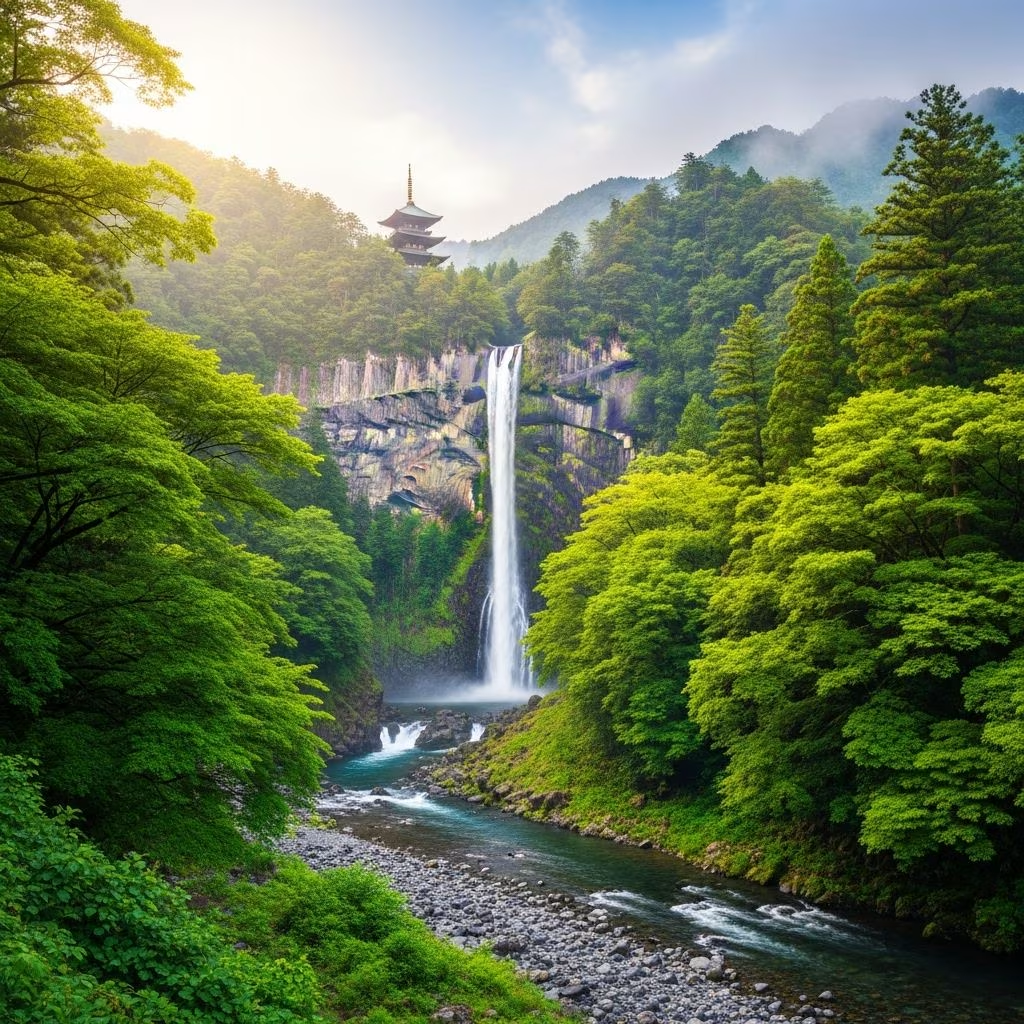
Wakayama Prefecture stands as a beacon of sustainable tourism in Japan, harmoniously integrating ancient spiritual traditions with modern environmental stewardship. Located on the Kii Peninsula south of Osaka, this region captivates with its lush mountains, coastal wonders, and UNESCO-recognized heritage sites that promote mindful exploration.
Sustainable travel in Wakayama emphasizes preserving natural beauty, cultural integrity, and local economies without compromising future generations’ access. Voted the top sustainable destination by Lonely Planet readers in 2021, the prefecture exemplifies how tourism can enhance rather than erode destinations. Its approach fosters a symbiotic relationship between visitors and the environment, drawing from centuries-old practices where pilgrims traversed sacred paths in reverence for nature.
Key principles include low-impact activities, community involvement, and resource conservation. For instance, local initiatives balance tourism growth with habitat protection, ensuring that attractions like primeval forests and hot springs remain pristine. This model not only safeguards biodiversity but also supports rural livelihoods through eco-friendly ventures.
Modern sustainability efforts include trail maintenance by local volunteers and limits on group sizes to prevent erosion. Staying in minshuku guesthouses run by families ensures economic benefits flow directly to communities.
This 1,100-kilometer circuit visits 33 temples across Kansai, with Wakayama hosting several key sites. Originating in the 11th century, it promotes physical and mental purification through walking meditation. Sustainable features include car-free zones encouraging cycling or public transport use.
| Temple | Key Feature | Sustainable Practice |
|---|---|---|
| Shojosenji | Ancient cedar grove | Tree-planting programs |
| Fudarakuji | Coastal views | Plastic-free facilities |
| Kimiidera | Persimmon orchards | Organic farming integration |
Participants receive stamps in a nokyocho book, fostering a sense of achievement without material souvenirs.
Perched at 800 meters, Koyasan is a monastic complex founded by Kobo Daishi in 816 AD, central to Shingon Buddhism. Over 100 temples offer shukubo stays with vegetarian shojin ryori meals sourced from temple gardens.
Experiences like dawn prayers and ajikan meditation deepen connections to nature’s rhythms, embodying sustainable spirituality.
Shirahama boasts Japan’s finest white-sand beaches, paired with 1,300-year-old onsen. The annual Sand Festival showcases massive sculptures from local sand, promoting cultural creativity without environmental harm.
Wakanoura Bay features Saki-no-yu, an oceanfront rotenburo where bathers soak amid Pacific waves. These sites prioritize water conservation and marine protection, with beach cleanups integrated into visitor programs.
Beyond trails, Wakayama offers log rafting on Kumano River, whale watching, and canyoning in pristine gorges. Farm stays in the ‘Fruit Kingdom’ let visitors harvest ume plums, mikan oranges, and kiwis, learning organic methods firsthand.
Wakayama’s cuisine embodies sustainability: fresh seafood from Nanki-Shirahama, wild mountain vegetables, and fruit-based dishes. Initiatives promote zero-waste cooking and support small producers.
| Dish | Ingredients | Sustainability Angle |
|---|---|---|
| Kuroshige | Blackthroat seaperch | Sustainable fishing quotas |
| Umeboshi | Local plums | Organic orchards |
| Shojin Ryori | Temple veggies | Plant-based, seasonal |
Tanabe City Kumano Tourism Bureau pioneers public-private partnerships, developing free independent traveler (FIT) packages that preserve Kumano Kodo’s essence while boosting local economies. Wakayama University researches tourism’s role in SDGs, advocating balanced growth.
Events like river kayaking and sushi-making at historic ports engage visitors in cultural preservation.
Its ancient practices, UNESCO protections, and community initiatives ensure low-impact tourism that preserves nature and culture.
Spring for cherry blossoms, autumn for foliage; avoid peak summer heat on trails.
Limited outside major sites; apps like Google Translate help, and signage is multilingual.
From Osaka via JR Kuroshio train (2 hours to Shirahama) or Kintetsu lines to Koyasan.
Beaches, sand festivals, easy trails, and fruit picking suit all ages.
Wakayama invites travelers to engage deeply with Japan’s soul. By choosing this destination, you contribute to its legacy of harmony between humanity and nature.
