

 Travel Essentials
 Travel Essentials

Discover how Swannanoa, North Carolina planted thousands of Dutch tulips as a symbol of hope and community resilience following Hurricane Helene.
 Travel Essentials
When disaster strikes, communities often struggle to find meaning in the aftermath. But sometimes, beauty emerges from the rubble in unexpected ways. In the small mountain town of Swannanoa, North Carolina, located just ten miles east of Asheville, residents discovered that hope could be cultivated in the soil, one bulb at a time. What began as a personal mission to bring comfort to a devastated community has blossomed into one of the region’s most inspiring stories of resilience and international goodwill.
Hurricane Helene swept through Western North Carolina with devastating force, leaving behind scenes of destruction and uncertainty. The impact on communities like Swannanoa was profound, affecting not just infrastructure but also the collective spirit of residents trying to rebuild their lives. In the wake of such tragedy, many wondered how normalcy could ever return or what might spark hope during such dark times.
Among those grappling with these questions was Marco Rozenbroek, a Swannanoa resident who was born in the Netherlands. As his community faced the monumental task of recovery and reconstruction, Rozenbroek began contemplating how he might contribute meaningfully to the healing process. He recognized that while physical reconstruction was essential, emotional and psychological healing required something more—a symbol that could remind everyone that brighter days lay ahead.
Rozenbroek’s inspiration came from his Dutch heritage and his understanding of how flowers, particularly tulips, have long symbolized renewal and hope across cultures. He reached out to DutchGrown, a Netherlands-based tulip bulb supplier, initially hoping to receive a modest shipment to plant around the community. What he received instead far exceeded his expectations and reflected the international spirit of compassion: thirty-one boxes of tulip bulbs, enough to produce approximately 10,000 blooms.
This generous donation represented more than just a shipment of flowers. It embodied a connection between nations, a gesture of solidarity from the Dutch people to an American community in crisis. The company’s owner, upon learning of Hurricane Helene’s devastation, understood the opportunity to provide something meaningful to residents struggling to rebuild.
The chosen location for this floral initiative was Grovemont Park, a space that had already emerged as the informal center of Swannanoa’s mutual aid network. Following the hurricane, residents had transformed this public space into a hub where neighbors supported one another, shared resources, and coordinated recovery efforts. It was the perfect setting for a project designed to nurture both the earth and the community’s collective spirit.
Rozenbroek, working alongside approximately five dedicated volunteers, began the meticulous process of planning the garden layout during the winter months. The team strategized how to arrange thousands of bulbs in patterns that would create maximum visual impact when spring arrived. Among their creative touches was the inclusion of one heart-shaped flower bed—a symbolic gesture representing the love and care woven into the project.
Successful spring tulip cultivation requires careful timing and preparation during the colder months. Rozenbroek and the volunteer team worked through the winter to plant the bulbs in Grovemont Park, ensuring they were positioned to take advantage of the seasonal frost cycle necessary for proper flowering. This patient, methodical approach reflected the broader lesson of the recovery effort itself: that sometimes the most beautiful results require time, planning, and persistence through difficult seasons.
Alongside the signature tulips, the volunteers planted complementary spring bulbs including hyacinths, peonies, and daffodils. This diverse mix created opportunities for varied colors, textures, and blooming times, ensuring that the park would display continuous beauty as spring progressed. The botanical diversity also mirrored the diversity of the community that had come together to support the project.
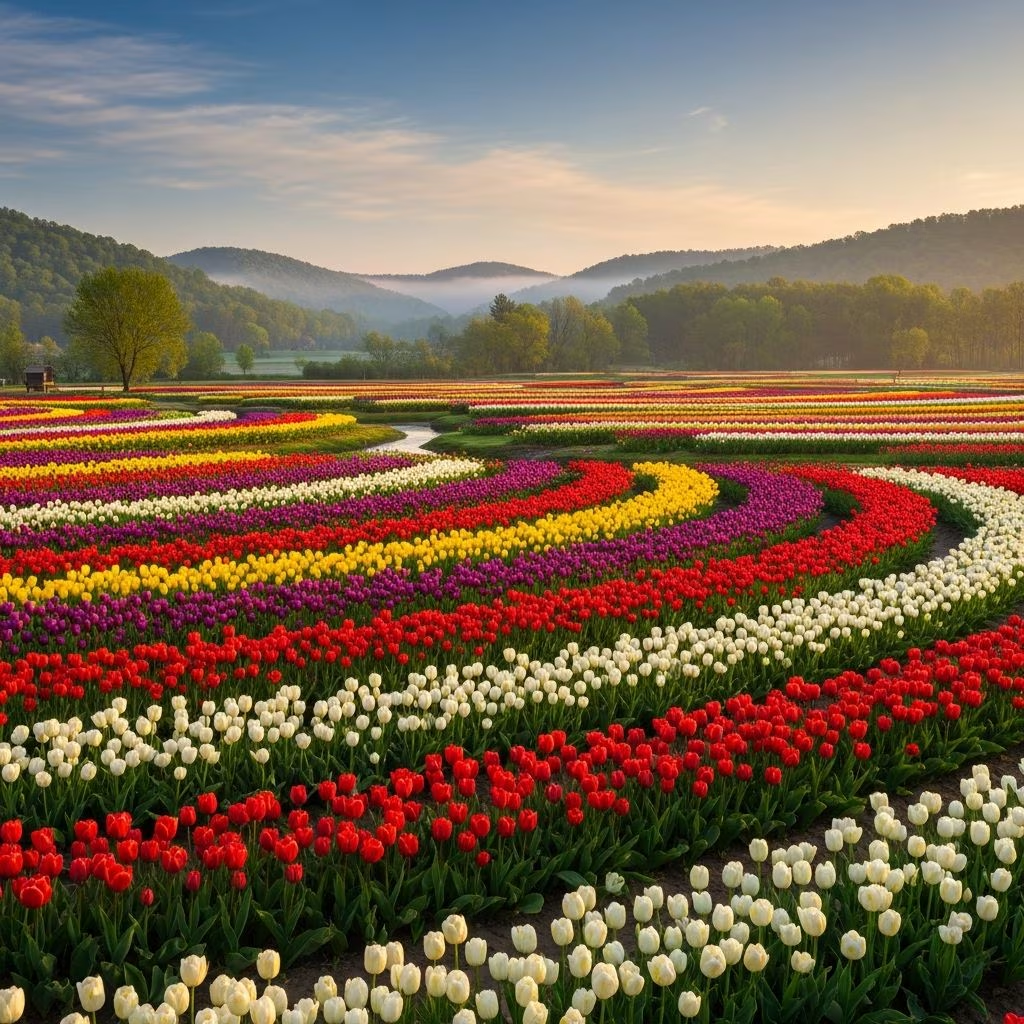
As spring 2025 arrived and temperatures warmed, the months of planning and preparation bore fruit—quite literally. The bulbs began their transformation, breaking through the soil and unfurling into blossoms. By April, Grovemont Park had transformed into a spectacular display of spring colors. Pink, purple, yellow, and white blooms carpeted the grounds, creating a visual journey that led visitors from various parts of the park toward the local library.
The timing of this floral emergence held particular significance. After months of gray winter weather and the emotional weight of continuing recovery efforts, the sudden appearance of thousands of colorful flowers provided a psychological lift that extended far beyond the park’s boundaries. News of Swannanoa’s tulip garden began to spread, attracting visitors from surrounding areas who came to witness the display and learn about its inspiring backstory.
Community organizers and residents understood that the tulip garden represented something deeper than horticultural achievement. The flowers served as a visible manifestation of hope—a declaration that beauty could still flourish even after devastation. They symbolized the international community’s willingness to support those in crisis and demonstrated the power of collective action to transform suffering into something meaningful.
The heart-shaped flower bed carried particular significance, representing the compassion that had motivated the project from its inception. Every bloom in that distinctive shape served as a reminder that healing often begins with love and genuine care for one another. Local residents and visiting tourists alike found themselves moved by the deliberate inclusion of this symbolic element.
For those interested in experiencing this remarkable display and supporting the community’s continued recovery, visiting Swannanoa during spring tulip season offers a meaningful travel experience. The town is conveniently located near Asheville, one of Western North Carolina’s premier tourist destinations, making it accessible for travelers from across the region and beyond.
Getting There: Asheville Regional Airport serves as the primary air gateway, situated approximately twenty-five minutes from Swannanoa. From the airport, visitors can navigate to Swannanoa by heading north on NC-280 East, merging onto I-26 West toward Asheville, then taking I-40 East. Exit 59 provides access to the town, positioned conveniently near the historic Biltmore Estate grounds. For those driving from other regions, North Carolina’s well-maintained highway system provides multiple routes into the area.
Timing Your Visit: The tulip blooms typically reach peak color and variety during April, making spring the ideal season for a Swannanoa visit. The weather during this period generally features mild temperatures perfect for outdoor exploration and photography.
What to Experience: While visiting Grovemont Park to view the flowers, guests are encouraged to explore the broader Swannanoa community. The town’s mountain setting offers scenic beauty, and visitors can interact with locals to learn more about the community’s resilience and ongoing recovery efforts. Supporting local businesses and services helps contribute directly to the region’s continued healing and growth.
The Swannanoa tulip project illustrates how community gardens and beautification initiatives contribute to disaster recovery beyond their aesthetic value. Research in environmental psychology demonstrates that green spaces and flowers positively influence mental health, reducing stress and anxiety while promoting a sense of community and belonging. For a community still processing trauma and rebuilding infrastructure, access to beautiful natural environments provides essential psychological support.
Furthermore, the project created opportunities for community members to work together toward a shared goal. The volunteer labor involved in planning and planting the bulbs strengthened social bonds and reminded residents of their collective capability to create positive change. These social connections prove crucial during long-term recovery processes, helping communities move beyond survival mode toward genuine healing and growth.
The relationship between DutchGrown and Swannanoa has opened possibilities for ongoing exchange and connection. The success of the 2025 tulip bloom has inspired discussions about making this an annual tradition, potentially establishing Swannanoa as a notable spring destination for tulip enthusiasts. Such recognition could provide economic benefits to the local community while continuing to reinforce the narrative of resilience and recovery.
The project also highlights the power of heritage and cultural identity in community healing. Rozenbroek’s Dutch background provided the inspiration and cultural knowledge that made this project possible. His willingness to bridge his heritage with his adopted community’s needs demonstrates how immigrant and long-term residents alike contribute unique perspectives and capabilities to their communities.
The tulips typically reach peak bloom during April. Exact timing can vary slightly depending on winter conditions and spring temperatures, but visitors planning trips should target mid-to-late April for the best display.
Grovemont Park is a public community space with free access to visitors. This reflects the community’s desire to share their recovery story and the beauty they’ve cultivated with anyone who wishes to visit.
While the original bulbs were donated by DutchGrown, local nurseries and garden centers in the Asheville area typically carry tulip bulbs and other spring flowers. Local businesses can direct visitors to resources for acquiring bulbs to plant in their own gardens.
Community organizers and local tourism information centers can provide information about guided experiences. Many visitors also enjoy self-guided tours, reading the story of the project through informational markers placed throughout the park.
Visitors can support recovery by patronizing local businesses, making donations to established community organizations working on reconstruction, and sharing the story of Swannanoa’s resilience with others to encourage additional visitors and awareness.
The Swannanoa tulip garden offers valuable lessons for communities facing recovery after natural disasters. It demonstrates that healing encompasses emotional and psychological dimensions alongside physical reconstruction. It shows how international connections and acts of solidarity contribute meaningfully to recovery. Most importantly, it illustrates that communities possess agency—the ability to transform their circumstances through creativity, cooperation, and vision.
As other regions face increasing environmental challenges and weather-related disasters, the Swannanoa model provides inspiration for approaches that honor both the practical necessities of recovery and the deeper human need for beauty, meaning, and hope.
