

 Travel Essentials
 Travel Essentials

Discover key insights for first-time visitors to Sweden, covering geography, customs, transport, nature safety, alcohol rules, and seasonal events to ensure a seamless trip.
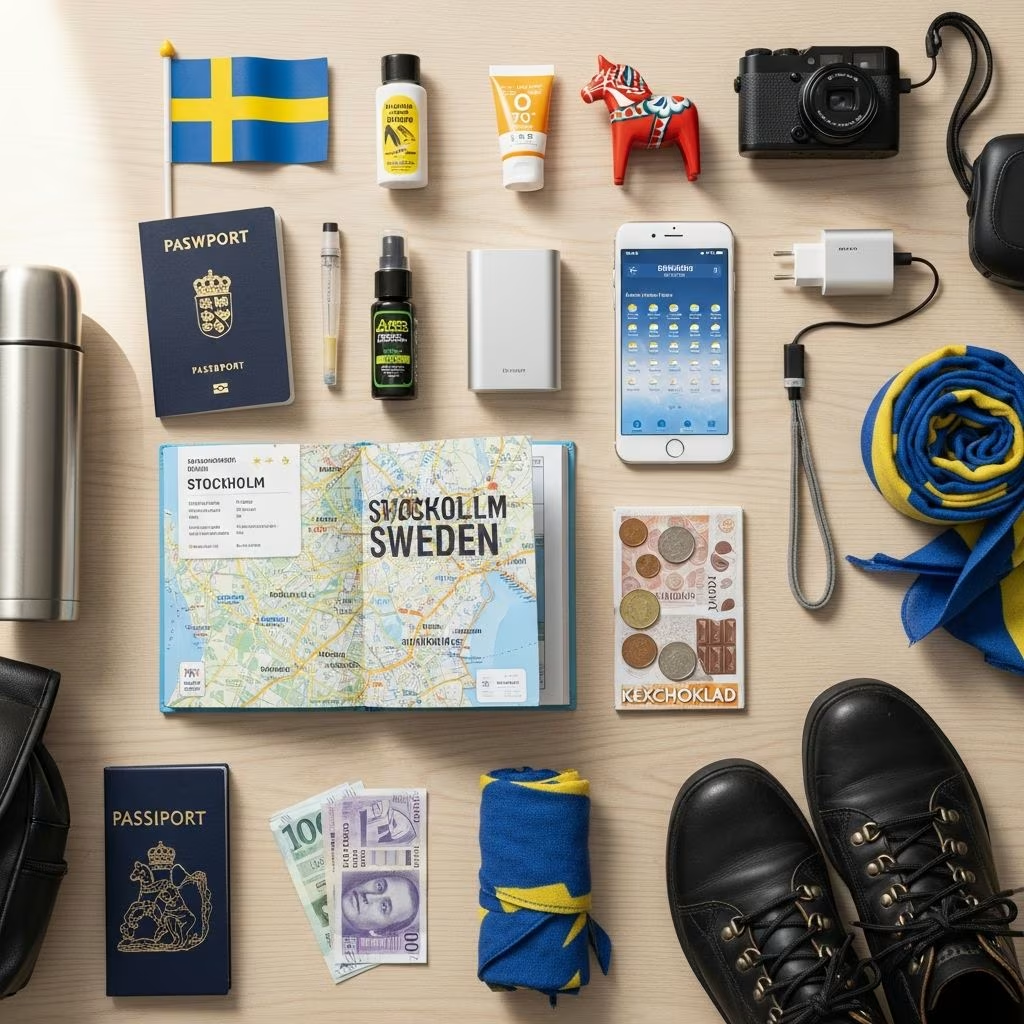 Travel Essentials
Sweden beckons with its blend of urban sophistication, pristine wilderness, and progressive society. Spanning a vast territory larger than many European nations, it offers diverse experiences from bustling capitals to remote northern frontiers. This guide equips you with vital knowledge to navigate its unique customs, landscapes, and logistics effectively.
Sweden’s geography demands strategic planning due to its elongated shape, stretching over 1,600 kilometers from the southern plains to the Arctic Circle. Covering 450,295 square kilometers, it dwarfs countries like the UK in size but maintains efficient connectivity. The southern regions feature rolling farmlands and coastal archipelagos, while the north boasts tundra, forests, and midnight sun phenomena.
Divide your itinerary across its 21 counties for a fuller picture. Stockholm, the capital, captivates with 14 islands, medieval Gamla Stan, and modern museums. Venture west to Gothenburg for its vibrant harbor, seafood markets, and 20-island archipelago ideal for kayaking. Northern Swedish Lapland enchants with aurora borealis, Sami indigenous heritage, and the pioneering Icehotel in Jukkasjärvi. Gotland, the largest island, reveals Viking ruins, sandy beaches, and cycling trails amid limestone cliffs.
| Region | Highlights | Best Time | Access |
|---|---|---|---|
| Stockholm | Historic old town, ABBA Museum, waterways | June-August | Arlanda Airport, trains |
| Gothenburg | Archipelago, Liseberg amusement park | May-September | Landvetter Airport, ferries |
| Lapland | Northern Lights, dog sledding, Icehotel | December-March (winter), June-July (summer) | Kiruna Airport, trains |
| Gotland | Viking sites, beaches, Raukar rock formations | June-August | Ferries from Nynäshamn |
Swedes prioritize personal space and equality, fostering a culture of quiet confidence. Greetings involve a firm handshake and direct eye contact; hugs are reserved for close relations. Small talk is minimal—conversations focus on substance, reflecting a low-context communication style. Punctuality is paramount; arriving on time signals respect.
Gender equality permeates daily life, with shared parental leave and progressive policies. Dress practically: layers for variable weather, comfortable shoes for pedestrian cities. In public, maintain a low volume; loud behavior draws subtle disapproval.
Fika transcends coffee breaks—it’s a social cornerstone blending pastry indulgence with mindful pauses. Expect strong brewed coffee paired with cinnamon buns (kanelbulle) or cardamom-infused treats at cafes nationwide. Daily fika boosts productivity and camaraderie.
Seafood reigns supreme: savor toast Skagen with shrimp and dill, gravlax salmon, or Baltic herring. Meatballs (köttbullar) with lingonberry jam evoke IKEA fame, but elevate with surströmming fermented herring for brave palates. Vegetarians find rye bread, berry soups, and foraged mushrooms aplenty. Midsummer feasts feature pickled herring, new potatoes, and schnapps songs.
Sweden’s public systems shine: SL cards for Stockholm’s metro, buses, and ferries; Västtrafik for Gothenburg. Nationwide SJ trains link cities swiftly; night trains reach Lapland. Rent bikes or e-scooters in urban areas, but yield to dedicated lanes—cyclists move fast.
Airports like Arlanda offer Flygbussarna coaches. Driving? Left-side lanes are right-hand drive; winter tires mandatory October-April. Pedestrians, watch for e-scooters cluttering sidewalks. Allemansrätten ‘everyman’s right’ permits roaming, wild camping (leave no trace), and berry picking on most lands.
Systembolaget monopolizes sales of spirits, wine over 3.2% ABV, and strong beer—government outlets close Sundays and holidays. Stock up midweek; IDs checked strictly. Bars serve until 3 a.m., with high prices (beer ~100 SEK). Embrace lagom moderation.
Summer (June-August) delivers endless daylight—midsummer on June 21 empties cities as locals don flower crowns, dance around maypoles, and feast. Book ahead; shops shutter. Winter plunges south into darkness (6 hours light December), north into polar night, priming aurora views and ice activities.
Spring/autumn offer shoulder-season tranquility, fewer crowds, golden foliage. Pack for extremes: thermals, waterproof gear.
90% forested Sweden invites hiking in 30 national parks like Sarek or Abisko. Follow Allemansrätten: no-trace camping, fire bans in dry spells. Remote areas lack cell coverage—carry maps, PLBs. Guided tours mitigate risks for novices. Beware moose, bears (rare encounters); ticks in forests.
Cashless society mandates cards (contactless preferred); ATMs sparse. English fluency aids—95% proficient. Safety ranks high; petty theft in crowds, vigilance advised. EU citizens free movement; others 90-day visa waiver.
Summer for festivals and light; winter for snow sports and lights. Shoulders for value.
Schengen rules: 90 days visa-free for many; check passports.
High costs, but free nature, efficient transit offset. Budget 1500 SEK/day.
Trains, buses, ferries excel; apps like SJ, Reseplaneraren simplify.
Yes, pristine quality everywhere.
Sweden rewards prepared travelers with profound serenity and innovation. Embrace lagom—balanced enjoyment—for lasting memories.
