


 Food & Culture
Food & Culture
Swedish Cuisine Guide: Fika, Foraging & New Nordic Food
Explore Sweden's vibrant food scene, highlighting wild foraging, Michelin-starred wilderness dining, historic preservation techniques, and the cherished fika tradition in this immersive guide.
 Food & Culture
Sweden’s food landscape is a testament to nature’s bounty and human ingenuity, where every bite tells a story of seasonal rhythms, wild harvests, and meticulous craftsmanship. From remote forest eateries to urban coffee rituals, Swedish gastronomy captivates with its emphasis on locality and imperfection.
The Essence of Swedish Ingredients and Traditions
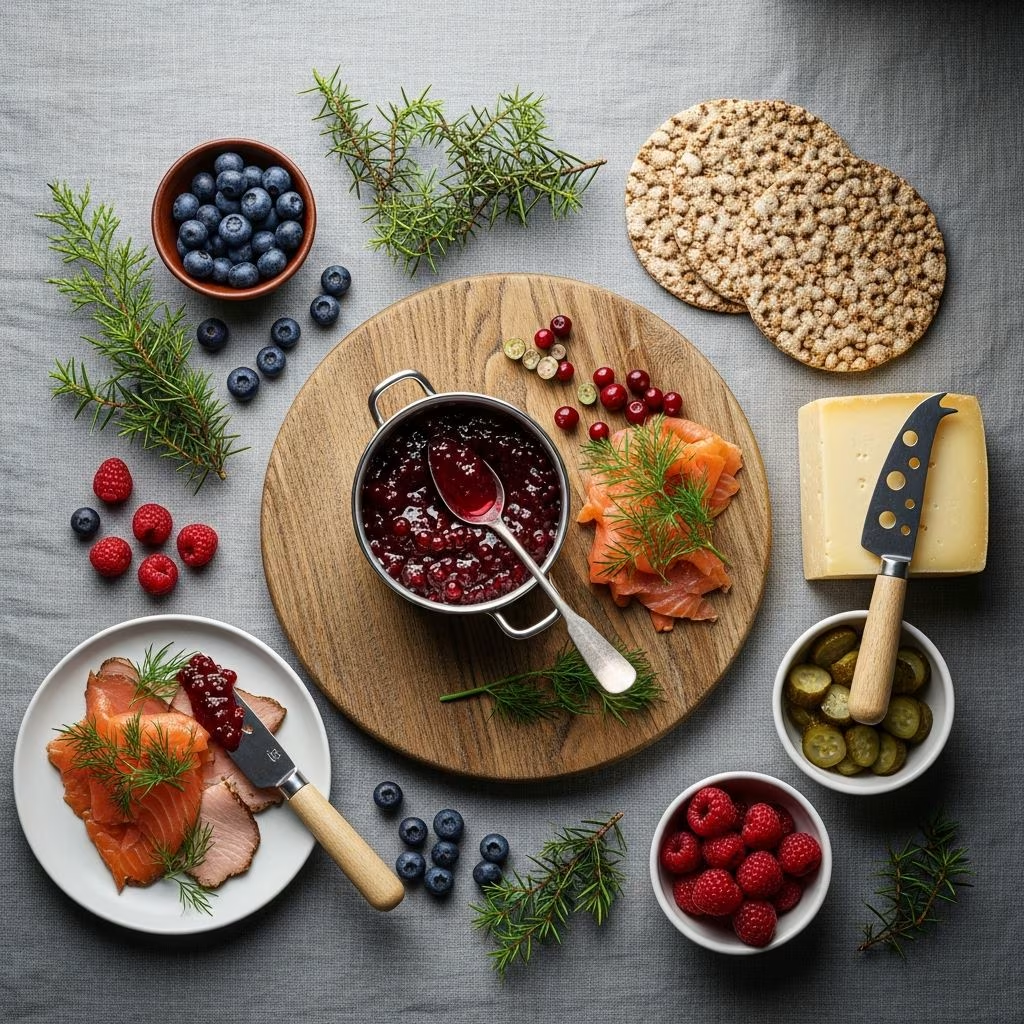
At the heart of Swedish cooking lies a deep respect for the land’s cycles. Harsh winters have long dictated preservation methods, turning simple staples into enduring flavors. Fermented herring, known as surströmming, cured salmon or gravlax, and tart lingonberries exemplify this heritage, blending Viking-era techniques with modern twists.
Swedish meatballs, a global icon, trace roots to 18th-century influences from Turkey via King Charles XII, adapted with local potatoes, pickled cucumbers, and creamy brunsås gravy. This fusion showcases Sweden’s ability to absorb global elements while rooting them in native soil.
- Key preserved staples: Surströmming for pungent umami, vendace roe as ‘Swedish gold,’ and lingonberries for bright acidity.
- Seasonal focus: Water mills ran biannually, inspiring long-lasting breads suited to northern climates.
Wilderness Dining: Forests as Kitchens
Deep in Sweden’s woodlands, innovative restaurants transform nature into edible art. Places like Knystaforsen embody a philosophy where wild ingredients dictate the menu, fostering an intimate, imperfect ambiance. Diners gaze through vast windows into enveloping forests, savoring fire-kissed dishes in a setting that feels like a personal memory.
Owners Nicolai and Eva Tram cultivate a homely decadence, where socks replace shoes and every detail invites lingering. This approach draws global pilgrims seeking authentic, unpolished luxury.
| Aspect | Knystaforsen Experience | Why It Captivates |
|---|---|---|
| Setting | Forest immersion via windows | Blurs indoor-outdoor boundaries |
| Menu Style | Wild-dictated, fire-prepared | Celebrates imperfection |
| Atmosphere | Relaxed, indulgent | Feels like home in the wild |
New Nordic Revolution: Foraging and Michelin Magic
The New Nordic movement elevates hyper-local sourcing, with chefs foraging berries, herbs, and fish to craft sophisticated plates. Fäviken, led by Magnus Nilsson, exemplifies this by drawing from ancient Scandinavian roots while incorporating spices like cardamom discovered by Vikings over a millennium ago.
Nilsson’s work extends beyond his kitchen; he documented Nordic regional cuisines in cookbooks, highlighting diversity from crisp dill on fresh fish to spice-infused sweets. His root cellar tour reveals preserved treasures that fuel seasonal menus.
Sweden’s “Edible Country” initiative takes this further, partnering with Michelin-starred chefs like Titti Qvarnström, Niklas Ekstedt, Jacob Holmström, and Anton Bjuhr. Seven wooden tables scattered nationwide offer free, self-guided nine-course meals using provided kits—turning forests into gourmet labs.
“By using our star chefs’ menu, this new and innovative do-it-yourself culinary experience makes it possible for visitors to explore and transform nature into gourmet food themselves.”
Fika: The Ritual That Binds Swedish Life
No exploration of Swedish cuisine omits fika, the sacred coffee break blending social bonding with sweet indulgences. More than a snack, fika is a daily pause for coffee and pastries, rooted in Nordic coffee obsession.
Classic treats include cinnamon buns (kanelbullar), sticky cardamom scrolls, and cloudberry tarts, often paired with strong brew. VisitSweden emphasizes fika’s role in daily rhythm, from offices to homes.
- Kanelbullar: Swirled cinnamon pastry, aromatic and soft.
- Cardamom buns: Warm-spiced, evoking Viking trade legacies.
- Princess cake: Layered sponge with custard and marzipan dome.
- Chokladbollar: No-bake chocolate-oat balls rolled in coconut.
- Semlor: Cardamom buns filled with almond paste and cream, Lenten favorites.
Regional Variations and Modern Twists
Sweden’s vast terrain yields diverse flavors: northern reliance on smoked reindeer and cloudberries contrasts southern seafood riches. Smörgåsbord buffets showcase this variety, from herring platters to inventive salads.
Contemporary chefs blend these with international flair, like Asian-inspired ferments or Middle Eastern spices in meatballs. Magnus Nilsson’s journeys reveal how each Nordic region bakes and preserves uniquely, from rye-heavy breads to berry preserves.
Practical Guide: Tasting Sweden Yourself
Plan your culinary odyssey with these tips:
- Forest feasts: Book Knystaforsen for multi-course wild menus; arrive prepared for off-grid magic.
- Forage freely: Join Edible Country tables—no reservations needed, just curiosity.
- Fika hunt: Seek bakeries in Stockholm or Gothenburg for authentic breaks.
- Michelin pursuits: Fäviken offers tasting menus; check seasonal availability.
Travel in summer for peak foraging or winter for preserved delights. Sustainable practices ensure these experiences endure.
Health and Sustainability in Swedish Eating
Swedish cuisine promotes balance: fatty fish for omega-3s, berries for antioxidants, and fermentation for gut health. The focus on whole, seasonal foods aligns with modern wellness. Environmentally, foraging minimizes imports, supporting biodiversity.
FAQs
What is fika exactly?
Fika is Sweden’s coffee-and-pastry ritual, emphasizing relaxation and company over mere consumption.
Are Swedish forests safe for foraging?
Yes, with guided experiences like Edible Country providing tools and knowledge for safe, legal gathering.
What’s unique about New Nordic cuisine?
It prioritizes local, wild ingredients with innovative techniques, as pioneered at spots like Fäviken.
How has history shaped Swedish food?
Viking trades and winter preservation birthed staples like gravlax and surströmming.
Can vegetarians enjoy Swedish cuisine?
Absolutely—focus on berries, breads, cheeses, and veggie-forward New Nordic dishes.
References
- A Fire-Kissed Culinary Pilgrimage: The Wild Magic of Knystaforsen — Honest Cooking. N/D. https://honestcooking.com/knystaforsen-restaurant-sweden/
- Swedish Cuisine: Seasonal, Preserved, Traditional Viking Fare — Elite Plus Magazine. N/D. https://www.eliteplusmagazine.com/Article/992/Swedish_Cuisine__Seasonal__Preserved__Traditional_Viking_Fare
- Foraged Swedish Cuisine With Michelin-Star Restaurants — Tasting Table. N/D. https://www.tastingtable.com/695661/swedish-cuisine-edible-country/
- The Ultimate Culinary Experience: Fäviken — Thyme Machine Cuisine. 2016-12-13. https://www.thymemachinecuisine.com/single-post/2016/12/13/the-ultimate-culinary-experience-f%C3%A4viken
- Video: Magnus Nilsson on fika, the diversity of Nordic food — The Splendid Table. 2019-01-30. https://www.splendidtable.org/story/2019/01/30/video-magnus-nilsson-fika-diversity-of-nordic-food-photography
- Chef Magnus Nilsson’s Tour of The Root Cellar At Faviken — YouTube (The Splendid Table). N/D. https://www.youtube.com/watch?v=c2dQyw3PNYw
- Fika like a Swede – what Swedish fika is and 5 classic treats to try — VisitSweden. N/D. https://visitsweden.com/what-to-do/food-drink/swedish-kitchen/all-about-swedish-fika/
On This Page
The Essence of Swedish Ingredients and Traditions Wilderness Dining: Forests as Kitchens New Nordic Revolution: Foraging and Michelin Magic Fika: The Ritual That Binds Swedish Life Regional Variations and Modern Twists Practical Guide: Tasting Sweden Yourself Health and Sustainability in Swedish Eating FAQs← Previous
Stockholm Archipelago Guide: Best Islands, Ferries & Things to Do
Next →
First-Time Guide to Charleston, SC: Top Things to Do
Related Reading
More in Food & Culture
Food & Culture Food & Culture
 Food & Culture
Best Places to Eat in Rome: Neighborhood Dining Guide
 Food & Culture
 Food & Culture