

 Travel Essentials
 Travel Essentials

Discover key insights for first-time visitors to Switzerland, covering costs, languages, transport, culture, and must-see spots for an unforgettable trip.
 Travel Essentials
Switzerland captivates with its pristine Alps, shimmering lakes, and meticulously maintained cities, offering a blend of adventure and serenity for every traveler. This guide equips you with practical knowledge to navigate its high costs, diverse cultures, and efficient systems for a seamless journey.
Switzerland’s cultural mosaic shines through its four official languages: German, French, Italian, and Romansh, each dominating distinct regions. Swiss German prevails in the central and eastern areas, French in the west around Geneva and Lausanne, Italian in the southern Ticino canton, and Romansh in parts of Graubünden. English is widely understood in tourist hubs like Zürich, Geneva, and Zermatt, especially in hotels and restaurants, easing communication for international visitors.
Learning basic greetings like Guten Tag (German), Bonjour (French), or Buongiorno (Italian) shows respect and endears you to locals. Regional dialects, particularly Swiss German, differ significantly from standard German, so apps like Google Translate prove invaluable in rural spots.
Switzerland ranks among Europe’s priciest destinations, with everyday items like a Big Mac costing more than anywhere else globally. Expect meals at mid-range restaurants to run 25-40 Swiss Francs (CHF) per person, coffees around 5 CHF, and groceries higher than neighboring countries. Many locals shop across borders in Germany, France, or Italy for savings, highlighting the cost disparity.
| Item | Average Cost (CHF) | US Equivalent (approx.) |
|---|---|---|
| Coffee | 4-6 | $4.60-$6.90 |
| Restaurant Meal | 25-50 | $28.75-$57.50 |
| Hotel Night (mid-range) | 150-250 | $172.50-$287.50 |
| Train Ticket (short distance) | 10-30 | $11.50-$34.50 |
To stretch your budget, opt for supermarket picnics with cheese, bread, and chocolate, or seek Mittagstisch lunch specials. Public transport passes like the Swiss Travel Pass offer value by bundling unlimited rides and discounts.
Switzerland’s trains, buses, and boats operate with legendary punctuality, forming one of the globe’s most reliable systems. Download the SBB Mobile app for real-time schedules, tickets, and Supersaver discounts up to 70% off peak fares. The Swiss Travel Pass grants unlimited travel on trains, buses, and select boats, plus free mountain excursions like Rigi or Stanserhorn.
Avoid rushing—trains run like clockwork, so arrive early to prevent mishaps.
Mountains dictate Switzerland’s climate: expect rain, snow, or sun shifts within hours. Layer with moisture-wicking base layers, fleece, waterproof jacket, sturdy hiking boots, and sun protection. Summer highs hit 25°C (77°F) in lowlands but drop near-freezing at elevation; winters bring heavy snow ideal for skiing.
Pro tip: Check MeteoSwiss forecasts and pack for microclimates—Zermatt’s glaciers stay chilly year-round.
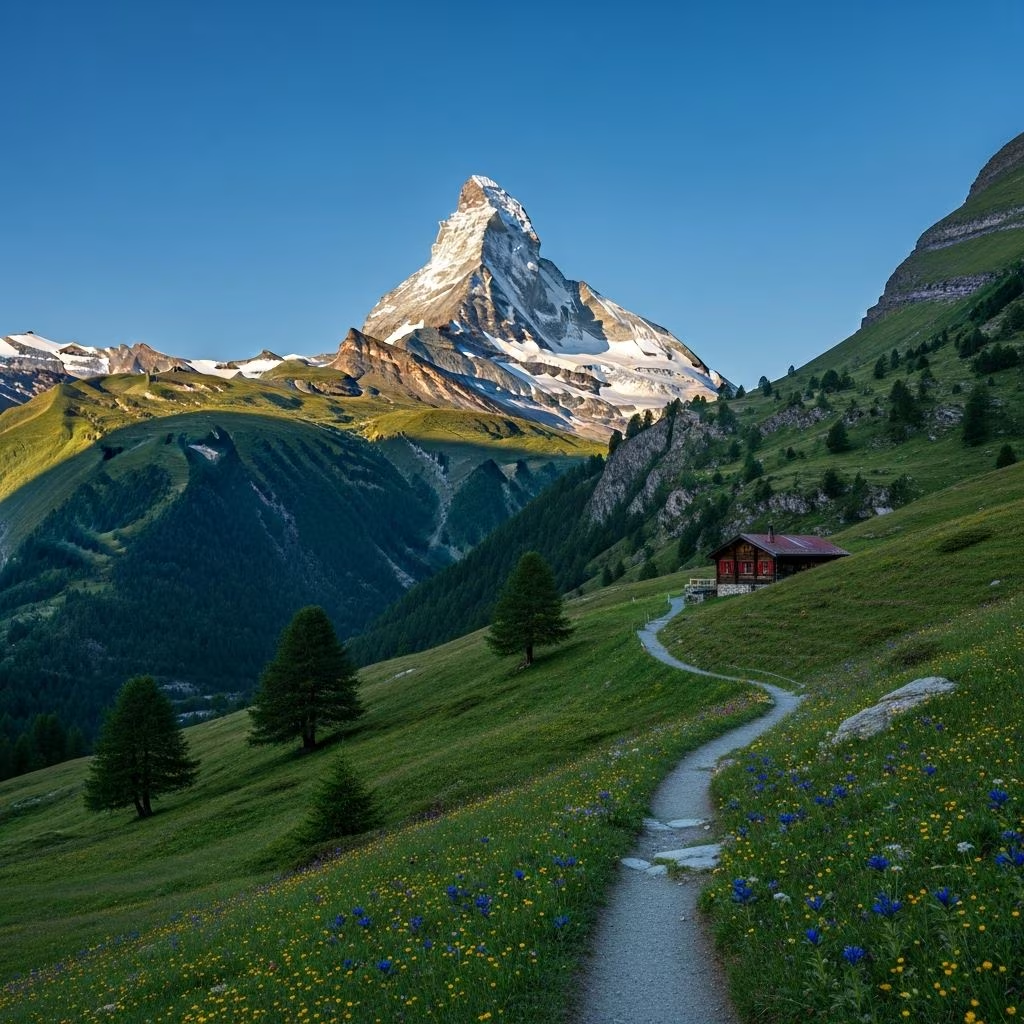
While Zürich and Geneva dazzle with museums and lakeside promenades, true magic lies in smaller gems. Bern’s medieval old town, a UNESCO site, charms with arcaded streets and the Einstein House. Zermatt’s car-free streets lead to the Matterhorn’s base, perfect for hikes or Gornergrat railway rides.
Winter shines with Christmas markets in Zürich and Basel from late November, twinkling with crafts and mulled wine.
Swiss value precision, privacy, and cleanliness—don’t take directness as rudeness; it’s cultural efficiency. Greet with a handshake, avoid loud behavior on trains (quiet cars enforce silence), and yield seats to elders. Tipping is minimal: round up bills or add 5-10% for stellar service.
Environmental stewardship reigns: use reusable bottles with ubiquitous fountains dispensing potable water. Separate recycling meticulously, as fines apply for littering.
Switzerland poses low risks, with Level 1 U.S. advisory status (exercise normal precautions). Tap water is pristine; no vaccinations beyond routine are needed. EU/Schengen rules apply: U.S. citizens get 90 visa-free days. Carry passport for random checks, and secure travel insurance for medical evacuations from remote Alps.
Altitude sickness hits above 2,500m (8,200ft)—hydrate, ascend gradually, and consult doctors for medications.
Spring (April-June) blooms with wildflowers minus crowds; summer peaks for hiking but books fast. Fall foliage stuns in Lauterbrunnen Valley; winter excels for skiing in Verbier or St. Moritz. Shoulder seasons slash hotel rates 20-30%.
Yes, but hostels, campsites, and self-catering keep costs down. Aim for 100-150 CHF daily excluding lodging.
No—public transport suffices everywhere. Rent only for rural valleys.
Choose 3, 4, 6, 8, or 15-day options based on itinerary; includes 500+ mountain discounts.
Absolutely—fountains marked Trinkwasser are safe and cold.
In cities and tourism spots, yes; learn regional phrases elsewhere.
Start in Zürich for urban energy, train to Lucerne for lake hikes, then Interlaken for paragliding over turquoise Thun. Venture to Zermatt for Matterhorn majesty, ending in Geneva’s international vibe. This 10-day loop maximizes variety.
Switzerland rewards planners: book trains and peaks months ahead in summer. Embrace its orderliness for pure bliss amid nature’s grandeur.
