

 Travel Essentials
 Travel Essentials

Complete guide to exploring Taipei with top attractions, transportation tips, dining recommendations, and practical travel advice for first-time visitors.
 Travel Essentials
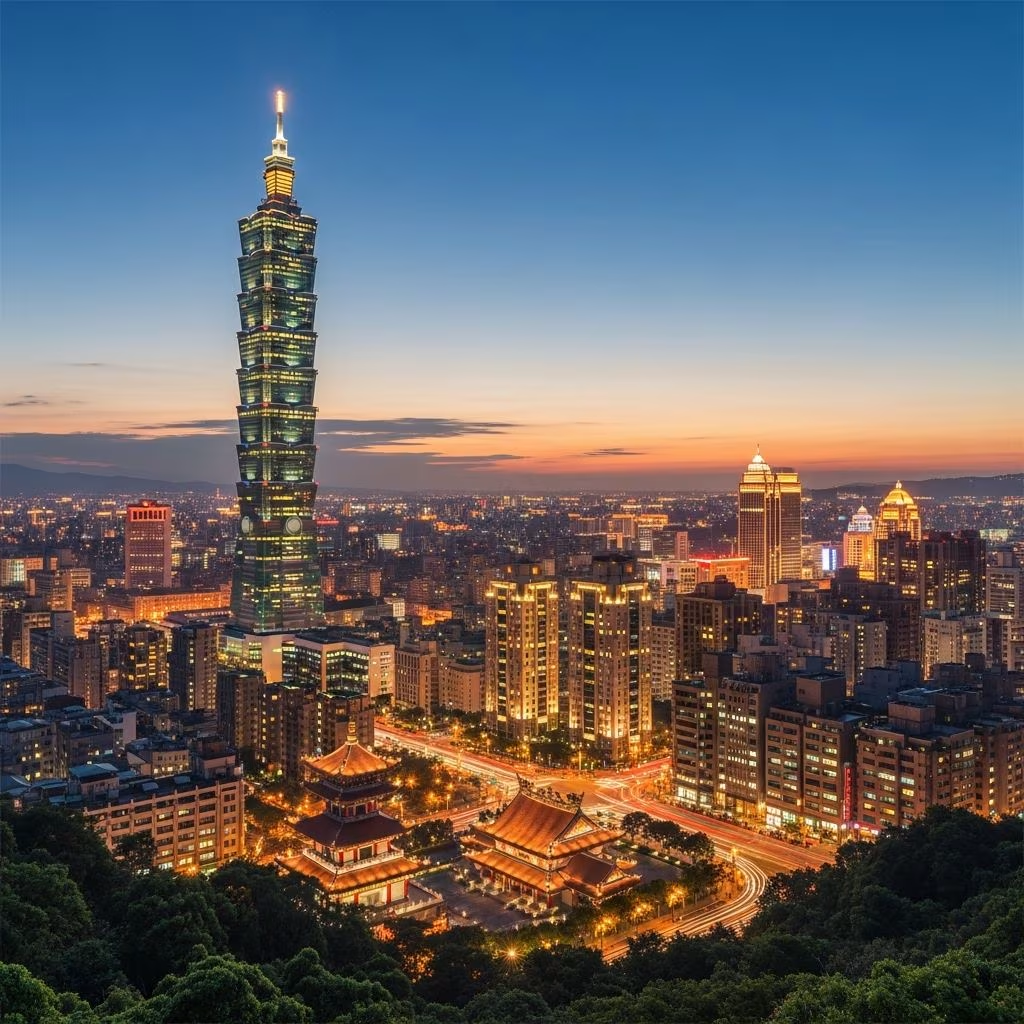
Taipei, Taiwan’s dynamic capital city, presents an extraordinary blend of ancient traditions and cutting-edge modernity that captivates millions of visitors annually. From soaring skyscrapers to tranquil temples, bustling markets to serene natural landscapes, this metropolitan hub offers something for every traveler. Whether you’re seeking cultural immersion, culinary adventures, or outdoor exploration, Taipei delivers an unforgettable experience that showcases why it ranks among Asia’s most compelling travel destinations.
Selecting the right time to visit Taipei significantly enhances your travel experience. The city experiences distinct seasonal characteristics that affect both weather conditions and tourist activity levels. Winter months, spanning from December through February, present ideal conditions with mild temperatures, reduced rainfall, and special attractions including New Year’s Eve celebrations and cherry blossoms beginning to emerge in late winter. Spring, particularly March and April, offers pleasant weather with cooler temperatures and minimal precipitation, making it an excellent choice for outdoor activities and sightseeing.
For first-time visitors, a minimum of three to four days allows adequate time to explore major attractions and experience local culture authentically. This timeframe enables you to balance iconic sights with neighborhood exploration, day trips, and unhurried dining experiences that characterize Taipei’s lifestyle.
Taipei’s transportation infrastructure ranks among Asia’s most efficient and user-friendly systems. The Taipei Mass Rapid Transit (MRT) system provides comprehensive coverage connecting nearly all major attractions and neighborhoods. Most residents and visitors utilize the EasyCard, a rechargeable transit card that streamlines fare payments across MRT lines and bus services, eliminating the need for individual ticket purchases.
For airport arrivals, multiple transportation options exist depending on your preferences and budget. The Kuo Kuang bus 1819 operates continuously from Taoyuan Airport to Taipei Main Station, requiring approximately 50-55 minutes and costing around NT$140, making it an economical choice for late-night or early-morning arrivals. Taipei Main Station itself functions as a crucial transportation nexus where the High Speed Rail, traditional railway system, and MRT lines converge, facilitating efficient travel throughout the city and to other regions.
Taipei’s most recognizable landmarks represent architectural achievements, historical significance, and panoramic viewing experiences that define the city’s identity.
The Taipei 101 Observatory stands as the city’s most visited attraction, offering observation decks providing 360-degree panoramic vistas of the metropolitan landscape and surrounding mountains. Recent additions including the Skyline 460 experience enhance visitor engagement with innovative viewing platforms and interactive displays. The structure’s architectural significance, combined with its commanding position, makes it essential for first-time visitors seeking comprehensive city perspectives.
Elephant Mountain provides an accessible yet rewarding hiking experience, featuring trails requiring minimal time investment while delivering spectacular Taipei 101 vistas and downtown cityscape panoramas. Early morning climbs allow visitors to witness sunrise illuminating the city below, creating photographic opportunities and peaceful natural experiences before crowds arrive. The accessibility of this hike—requiring only an hour or two—makes it ideal for travelers with limited time.
The Chiang Kai-shek Memorial Hall preserves Taiwan’s complex history through architectural grandeur and ceremonial changing-of-the-guard ceremonies that reflect traditional military protocols. The National Palace Museum houses one of the world’s most significant collections of Chinese artistic and historical artifacts, offering profound insights into East Asian cultural heritage. These institutions provide educational depth alongside visual magnificence, enriching visitors’ understanding of Taiwan’s historical narrative.
Longshan Temple represents Taipei’s oldest temple, embodying centuries of spiritual tradition and featuring intricate architectural details reflecting Buddhist, Taoist, and Confucian influences. The spiritual atmosphere combined with architectural beauty creates an immersive cultural experience distinct from secular attractions, offering perspectives into Taiwan’s religious practices and daily devotional customs.
Taipei’s food scene represents perhaps its most compelling attribute, with night markets functioning as cultural institutions where visitors experience local cuisine, social traditions, and entrepreneurial innovation simultaneously.
Shilin Night Market operates as Taipei’s most expansive and renowned night market, hosting over 500 vendors and traders offering street food delicacies, merchandise, and carnival entertainment. The sensory immersion—combining aromatic street food, vibrant neon lighting, and energetic crowds—creates quintessentially Taiwanese experiences unavailable elsewhere. Raohe Night Market provides an alternative for those seeking equally authentic but slightly less overwhelming environments, featuring neon-lit food stalls and trinket shops in a sprawling configuration.
For visitors preferring more relaxed atmospheres, Nanjichang (South Airport) Night Market offers gritty authenticity with tourist-friendly amenities including English-language menus, making it accessible for international travelers while maintaining genuine local character.
Early risers can experience traditional Taiwanese breakfast at specialized establishments such as Fu Hang Dou Jiang and Yong He Soy Milk King, opening around 5:30 AM and serving regional specialties impossible to replicate elsewhere. These humble establishments provide cultural authenticity and preparation techniques passed through generations, representing continuation of Taiwanese culinary traditions.
Taipei Eats and similar food tours provide guided explorations of the city’s diverse culinary landscape, connecting visitors with neighborhood restaurants, market vendors, and food historians who contextualize dishes within cultural and historical frameworks. Fine dining establishments like Din Tai Fung serve as bridges between traditional Taiwanese cuisine and contemporary culinary sophistication, offering premium renditions of beloved local dishes.
Taipei’s retail and artistic environments showcase the city’s contemporary energy and creative entrepreneurship alongside commercial sophistication.
Ximending functions as Taipei’s premier shopping and entertainment district, earning comparisons to Tokyo’s Harajuku through its concentration of boutique retailers, international brands, restaurants, and entertainment venues. The pedestrian-focused environment encourages leisurely exploration, cultural observation, and spontaneous discoveries across multiple commercial categories.
Huanshan 1914 Creative Park and Songshan Cultural and Creative Park repurpose industrial and institutional structures into vibrant artistic venues hosting exhibitions, performances, and cultural events. These spaces reflect Taipei’s commitment to cultural preservation alongside contemporary artistic expression, attracting artists, designers, and culturally-engaged visitors seeking alternatives to commercial entertainment.
Beitou distinguishes itself through naturally-occurring hot springs, geothermal features, and unique architectural preservation reflecting Japanese colonial influences. The neighborhood offers thermal bathing experiences combining wellness benefits with cultural and architectural appreciation, making it accessible for day visits from central Taipei. The Beitou Hot Spring Museum and related wellness facilities provide structured access to these natural resources while educating visitors about geothermal geology and regional history.
Taipei’s advantageous location enables convenient day excursions to dramatically different landscapes and cultural experiences.
Jiufen Old Street recreates historical mountain village atmosphere with traditional teahouses, artisanal vendors, and preserved architecture reflecting pre-modern Taiwanese settlement patterns. The combination of nostalgic ambiance, specialty tea culture, and ocean vista accessibility from mountain elevations makes full-day excursions rewarding, particularly for visitors seeking contrast to urban environments.
Yehliu Geopark showcases striking geological formations including hoodoos, mushroom-shaped rock structures, and coastal erosion patterns created through millions of years of natural processes. The scientifically significant landscape provides visual spectacle while offering educational insights into Taiwan’s geological composition and coastal dynamics.
Yangmingshan National Park offers diverse terrain encompassing volcanic formations, alpine meadows, and panoramic viewing platforms accessible through hiking trails of varying difficulty. Seasonal flower blooms, particularly in spring, attract naturalists and photographers seeking dynamic landscape photography opportunities.
Strategic accommodation placement optimizes both accessibility and neighborhood immersion. Taipei Main Station vicinity offers maximum transit convenience with direct airport connections via continuous bus service, nearby hotels like CityInn Station Branch III providing cost-effective options without sacrificing quality standards. This positioning enables efficient airport transitions and convenient MRT access to throughout the city.
Alternative neighborhood stays in Shibuya-inspired Ximending, artistic Huanshan areas, or bohemian Jiufen provide distinct atmospheric experiences reflecting local character while remaining accessible via public transportation. Neighborhood selection ultimately depends on priority weighting—transit convenience versus cultural immersion versus commercial proximity.
Taipei’s tropical climate requires preparation for variable conditions. Lightweight jackets accommodate sudden temperature fluctuations and air-conditioning intensity in commercial establishments. Umbrella availability is essential given sudden downpours, particularly during summer monsoon season. Comfortable walking footwear supports extended urban exploration without physical fatigue limiting activity engagement.
Taipei maintains exceptional safety standards with welcoming populations toward international visitors. The city’s accessibility for families with young children, comprehensive facilities for elderly travelers, and multilingual assistance infrastructure accommodate diverse visitor demographics effectively.
Day One—Urban Orientation: Arrive via Taoyuan Airport utilizing bus transportation to Taipei Main Station. Explore Taipei 101 Observatory observation decks for comprehensive city perspective. Evening concludes with Shilin Night Market dining experiences introducing local street food culture.
Day Two—Cultural Immersion: Early morning Elephant Mountain sunrise hike provides contemplative natural experience. Continue with Longshan Temple exploration, lunch at neighborhood restaurants, and Maokong Gondola ride offering mountain panorama experiences. Evening features cultural performances or museum visits depending on interests.
Day Three—Regional Exploration: Full-day Jiufen excursion via public transportation incorporating Old Street shopping, traditional tea experiences, and ocean vista appreciation. Early departure avoids afternoon crowds characteristic of popular tourist destinations.
Day Four—Leisure and Shopping: Morning Chiang Kai-shek Memorial Hall visit, midday Ximending shopping and dining experiences, final evening night market visitation revisiting favorite vendors or exploring alternative markets like Raohe.
Winter (December-February) offers mild weather and special events, while spring (March-April) provides pleasant conditions with minimal rainfall. Both seasons are ideal for comprehensive sightseeing and outdoor activities.
Minimum three to four days allow adequate time for major attractions exploration, cultural experiences, and day trips. Longer stays enable deeper neighborhood immersion and spontaneous discoveries.
Taipei maintains exceptional safety standards with welcoming populations. Well-developed public transportation, 24-hour services, and abundant tourist infrastructure support independent exploration confidently.
The MRT system with EasyCard payment provides the most convenient and cost-effective transportation across the city. Bus services complement rail infrastructure, and 24-hour airport bus service facilitates airport transitions.
Taipei Main Station vicinity offers maximum accessibility with airport connections and comprehensive MRT coverage. Alternative neighborhoods like Ximending or Huanshan provide distinct character while remaining transit-accessible depending on preference weighting between convenience and cultural immersion.
