

 Travel Essentials
 Travel Essentials

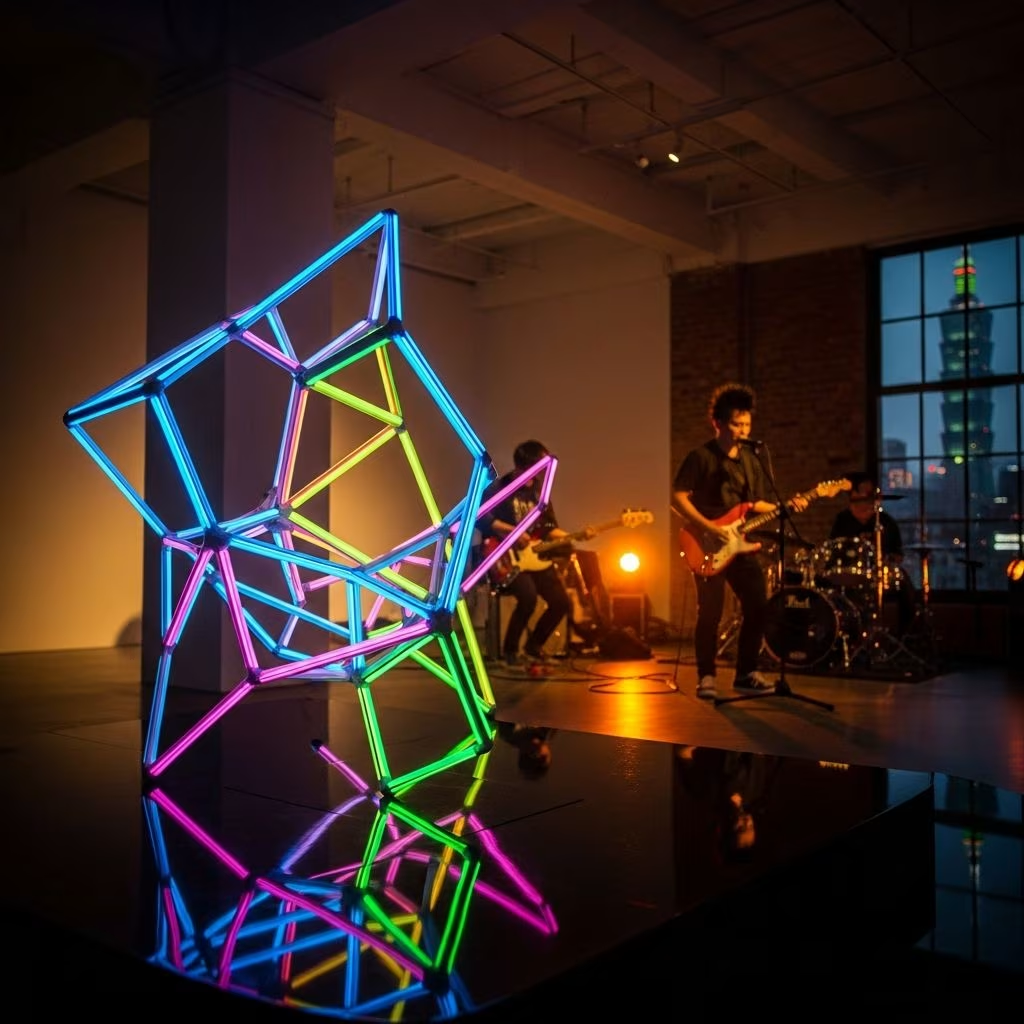
Explore Taipei's thriving contemporary art galleries, underground music venues, and cultural spaces that define the city's modern creative identity.
 Travel Essentials
Taipei has evolved into one of Asia’s most dynamic cultural destinations, offering far more than traditional temples and night markets. The city’s contemporary art landscape and underground music venues represent a thriving creative ecosystem that attracts artists, musicians, and culture enthusiasts from around the world. This guide explores the authentic artistic heart of Taipei, where innovative galleries, revolutionary performance spaces, and avant-garde cultural institutions define the city’s modern identity.
Over the past two decades, Taipei’s urban landscape has undergone a remarkable transformation. Historic industrial areas and abandoned warehouses have been reimagined as vibrant cultural hubs, breathing new life into forgotten neighborhoods. This urban renewal movement reflects a broader shift in how Asian cities are reclaiming their heritage while embracing contemporary innovation. The transformation of these spaces demonstrates how cities can preserve historical character while fostering creative expression and community engagement.
Several neighborhoods have emerged as epicenters of this creative revolution, each with its own distinct personality and artistic focus. These areas attract a diverse community of creators, curators, and cultural advocates who challenge conventional perspectives and push artistic boundaries. The result is a multifaceted cultural landscape where traditional aesthetics coexist with experimental practices.
Taipei’s most compelling cultural venues occupy repurposed industrial buildings that carry stories of the city’s manufacturing past. These adaptive reuse projects have transformed former factories, warehouses, and production facilities into dynamic spaces for artistic expression. The contrast between industrial architecture and contemporary art installations creates a distinctive visual and cultural experience that cannot be replicated in purpose-built galleries.
These venues typically feature exposed brick walls, high ceilings, and original structural elements that provide authentic backdrops for modern artwork and performances. The industrial aesthetic enhances rather than detracts from contemporary installations, creating a powerful dialogue between past and present. Visitors often discover that the architecture itself becomes part of the artistic experience, with space and structure informing how they engage with displayed works.
Notable converted spaces include former factories that now host rotating exhibitions, artist studios, performance venues, and collaborative workspace. Many of these locations remain actively involved in community arts projects, offering workshops, artist residencies, and public programs that extend their cultural impact beyond exhibitions.
Taipei’s contemporary art scene encompasses everything from established galleries featuring internationally recognized artists to intimate independent spaces showcasing emerging local talent. The gallery landscape reflects diverse artistic movements, from avant-garde installations to conceptual photography, mixed media works, and experimental performance art.
Independent galleries and artist-run spaces play a particularly important role in the local art ecosystem. These venues often take creative risks that larger institutions cannot accommodate, providing platforms for experimental work and emerging artists. Many function as community gathering spaces where art viewers can directly engage with creators, participate in discussions, and contribute to shaping the artistic narrative.
The curation philosophy in many Taipei galleries emphasizes cultural dialogue and social commentary. Exhibitions frequently address contemporary issues, cultural identity, environmental concerns, and historical narratives. This approach transforms galleries from passive display spaces into active forums for community conversation and critical reflection.
Taipei’s underground music scene thrives in venues ranging from intimate basement clubs to mid-sized performance spaces in converted buildings. These establishments serve as incubators for musical innovation, hosting everything from indie rock and experimental electronic music to traditional folk performances reimagined for contemporary audiences.
The venue circuit operates largely through word-of-mouth networks and online communities, creating an authentic cultural ecosystem largely untouched by mainstream commercialization. Musicians often perform multiple shows throughout the week, building loyal audiences and fostering a strong sense of community identity. The intimate nature of these venues creates unique acoustic experiences and direct performer-audience connections.
Performance scheduling typically begins in the late evening, with shows frequently extending into the early morning hours. This timing reflects both practical considerations and the deliberate creation of an alternative cultural space operating outside standard commercial hours. The nocturnal nature of the venue circuit contributes to its countercultural appeal and distinct community identity.
Underground music venues typically feature minimal decoration, focused lighting emphasizing the stage area, and intimate seating or standing arrangements that create immediate proximity between performers and audience members. Sound systems are often sophisticated despite modest appearances, with venue operators prioritizing acoustic quality over aesthetic polish.
The beverage programs in these venues reflect local tastes and cultural preferences, often featuring craft beers, locally produced beverages, and traditional drinks served in contemporary settings. Food options range from simple snacks to collaborations with local restaurants, with some venues hosting special dining experiences integrated with musical performances.
Traditional tea houses in Taipei have evolved beyond their historical function as purely social spaces into multifaceted cultural venues. Many establishments now host live music performances, art exhibitions, and cultural discussions, creating hybrid spaces where culinary tradition and contemporary cultural expression intersect.
These tea houses maintain cultural authenticity through their architectural design, ceremonial preparation practices, and curated beverage selections. The tea service itself becomes part of the cultural experience, with servers trained in traditional practices and knowledgeable about regional tea varieties and their histories. Guests often discover that the deliberate pace of tea ceremony creates a contemplative environment conducive to engaging with performance art or philosophical discussion.
Historic tea establishments carry particular significance, having served previous generations of artists, intellectuals, and cultural figures. Their continued operation represents cultural continuity while their adaptation to contemporary uses demonstrates living heritage rather than static tradition. These venues attract both cultural tourists seeking authentic experiences and locals who view them as important community institutions.
Beyond formal galleries and performance venues, Taipei’s creative expression extends throughout the urban landscape through street art, murals, and public installations. Designated creative neighborhoods feature highly concentrated street art scenes where alleys and building walls become canvases for visual artists. These informal gallery spaces democratize art access and contribute to neighborhood identity and character.
Street art in Taipei ranges from large-scale murals created by established artists to smaller interventions and sticker art by anonymous creators. The semi-legal status of much street art creates an ongoing tension between city authorities and artistic communities, yet the persistence of street art demonstrates powerful community commitment to creative expression in public spaces.
Walking tours through creative neighborhoods reveal constantly evolving artistic landscapes as new works replace or layer upon older pieces. This organic curatorial process contrasts sharply with traditional museum practices and creates dynamic environments where spontaneity and community participation drive aesthetic development.
Taipei’s creative community congregates in specific neighborhoods and venues that have become identified with particular artistic movements or social circles. These gathering spaces function as informal cultural centers where artists, musicians, designers, and cultural enthusiasts network, exchange ideas, and develop collaborative projects.
The social dynamics of these venues emphasize inclusivity and creative experimentation. Regular patrons often evolve from audience members into active participants, eventually contributing their own artistic work or curatorial input. This fluid progression from observer to creator typifies how these spaces function as genuine community institutions rather than commercial entertainment venues.
The economic models sustaining these venues often rely on modest admission fees, beverage sales, and occasional private events. Many venues operate with minimal profit margins, prioritizing cultural mission over commercial success. This economic precarity contrasts with the cultural significance these spaces hold within their communities.
Taipei’s cultural calendar features numerous festivals and special events that celebrate contemporary art and music throughout the year. These events often extend beyond single venues into entire neighborhoods, creating temporary cultural zones where multiple institutions coordinate programming and special exhibitions.
Festival culture provides opportunities for experimental collaborations that wouldn’t fit within standard programming schedules. Cross-disciplinary projects combining visual art, performance, music, and culinary experiences create immersive cultural events. These large-scale endeavors often attract international artists and audiences, positioning Taipei within global contemporary art networks.
Visiting Taipei’s artistic venues and supporting creative venues directly contributes to the sustainability of the city’s cultural infrastructure. Purchasing admission tickets, beverages, and artwork directly funds continued operations and artist compensation. However, financial support extends beyond direct commercial transactions.
Photography documentation, social media sharing, and word-of-mouth recommendations amplify venue visibility within both local and international communities. Engaging with programming through participation in workshops, discussions, or collaborative events demonstrates investment in cultural development. Long-term sustainability requires sustained community engagement across multiple dimensions.
Most contemporary galleries maintain relatively standard business hours, though many close on Mondays or during transition periods between exhibitions. Performance venues operate on irregular schedules, typically concentrating programming on evenings and weekends. Online research or social media consultation before visits ensures accurate scheduling information.
Language can present communication barriers in some smaller venues, though many staff members speak basic English or can communicate through translation applications. Important announcements or event descriptions often appear in traditional Chinese characters, reflecting Taipei’s local cultural context.
Transportation to cultural venues typically utilizes Taipei’s efficient metro system, which reaches most creative neighborhoods. Walking between nearby venues provides opportunities for street art discovery and neighborhood exploration that complements formal gallery experiences.
Contemporary gallery admission fees typically range from modest amounts to moderate prices, with many venues offering free entry during specific hours or for special events. Performance venues charge cover charges that vary based on artist profiles and venue capacity. Beverage and food purchases constitute significant portions of venue operating costs, with patrons expected to purchase refreshments during performances.
Taipei’s artistic infrastructure continues evolving as the city balances cultural preservation with contemporary development pressures. Rising real estate costs threaten the economic viability of smaller galleries and performance venues that rely on affordable studio and performance space. Simultaneously, increasing international recognition of Taipei’s art scene attracts greater resources and attention that could support expanded programming.
The challenge for the coming years involves maintaining the experimental spirit and community accessibility that define Taipei’s creative culture while adapting to inevitable economic and social changes. This requires sustained commitment from cultural institutions, government support, and community participation in defending creative spaces from commercial displacement.
Taipei’s contemporary art and music scene represents a living cultural ecosystem where artistic expression remains actively embedded within community life rather than isolated in institutional contexts. Engaging with these spaces offers visitors authentic encounters with creative communities while contributing to the ongoing vitality of one of Asia’s most dynamic cultural cities.
Evening and late-night visits align with typical programming schedules, particularly for music venues and cultural events. Gallery visits work best during daytime or early evening hours when natural lighting enhances artwork appreciation. Festival seasons offer concentrated cultural programming but also attract larger crowds.
Some larger venues require advance purchase, while many smaller clubs operate on first-come, first-served bases. Checking venue websites or social media pages provides specific ticketing information. Arriving early ensures entry during popular events.
While dedicated English-language tours may not exist for all venues, many galleries employ English-speaking staff and provide exhibition materials in English. Some cultural organizations offer occasional guided tours in multiple languages during special programming.
Social media platforms, local entertainment websites, and venue-specific pages provide current event listings. Asking staff at other cultural venues often yields personal recommendations and insider knowledge about emerging spaces.
Gallery admission typically costs minimal amounts or is free, while performance venues charge cover fees ranging from moderate to substantial amounts depending on programming. Beverage purchases are standard expectations at performance venues.
