


 Food & Culture
Food & Culture
Taiwan Food Guide: Street Eats, Night Markets & Regional Delights
Explore Taiwan's underrated food scene featuring night markets, street snacks, fusion dishes, and world-class teas in this ultimate guide for food lovers.
 Food & Culture
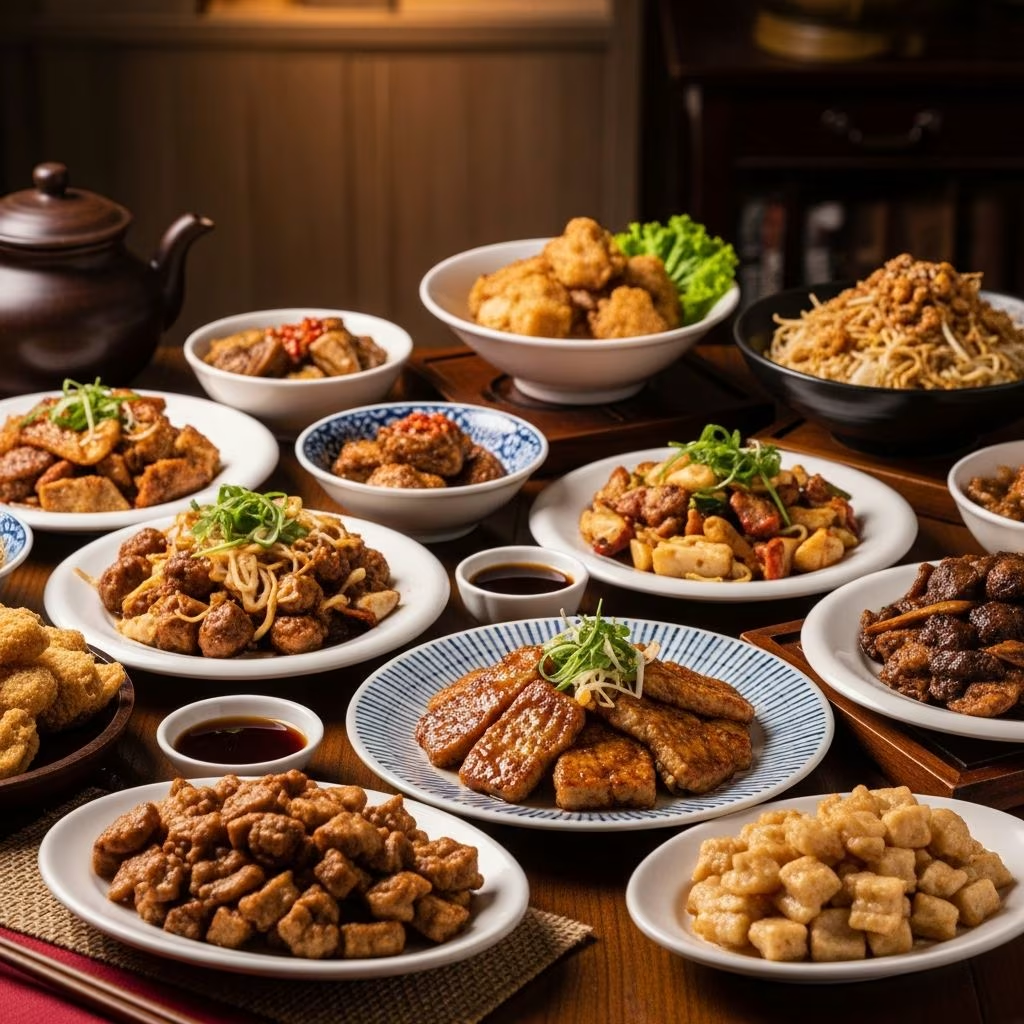
Taiwan stands out as one of Asia’s most exciting destinations for food enthusiasts, offering a diverse array of flavors shaped by its unique geography and rich history of cultural exchanges. This island nation boasts fresh seafood from surrounding waters, lush mountain greens, and indigenous ingredients that come alive in everyday meals and gourmet presentations alike.
The Fusion Roots of Taiwanese Flavors
Taiwan’s cuisine is a melting pot influenced by waves of settlers from Portugal, the Netherlands, Spain, Japan, and mainland China. These historical interactions have layered local produce with imported techniques, resulting in dishes that balance bold seasonings, tender textures, and surprising contrasts. Seafood dominates coastal menus, while highland farms supply premium teas and herbs used in both street stalls and upscale eateries.
Modern Taiwanese chefs are elevating these traditions, earning international acclaim with innovative takes that compete with powerhouses like Tokyo and Hong Kong. Taipei, in particular, pulses with trendy spots where classic recipes meet contemporary twists, drawing foodies from around the globe.
Essential Street Foods to Savor
No visit to Taiwan is complete without diving into its street food culture. These portable delights are affordable, flavorful, and available around the clock, perfect for sampling on the go.
- Xiaolongbao: Steamed soup dumplings with juicy pork filling and hot broth inside. Gently bite the edge to sip the scalding liquid first.
- Niu rou mian: Hearty beef noodle soup featuring slow-braised brisket, crisp greens, and slurpable broth over wheat noodles—ideal for weary travelers.
- Danzai noodles: Light shrimp-based broth cradling noodles, minced pork, and a soft-boiled egg for a clean, satisfying bite.
- Cong zhua bing: Crispy, layered scallion flatbreads dusted with salt and pepper, offering a flaky contrast to moister dishes.
- Gua bao: Steamed buns stuffed with braised pork belly, crushed peanuts, pickled veggies, and fresh cilantro—a handheld feast.
These staples highlight Taiwan’s knack for transforming simple ingredients into addictive treats, often found at bustling markets or roadside vendors.
Adventurous Eats for the Bold Palate
Beyond the familiar, Taiwan challenges diners with offbeat specialties that showcase resourcefulness and regional pride. Coastal regions and islands like Kinmen offer gritty, umami-packed options.
- Fried sandworms: Crunchy stir-fries of marine worms with sprouts and mushrooms, a salty seaside snack unique to certain archipelagos.
- Pig intestines: Versatile offal prepared stir-fried with pickles, in noodle soups, or battered and fried—prized for its chewy texture.
- Century eggs: Eggs cured in a clay-salt mixture, yielding a dark, jelly-like appearance and pungent, earthy taste.
- Oyster omelette: Thick, lard-fried pancakes loaded with briny oysters and a sticky, savory sauce made from starch.
These dishes embody Taiwan’s “no waste” ethos, turning unconventional cuts and preserves into celebrated menu items.
Beverages That Define Taiwanese Refreshment
Taiwan’s drink scene complements its snacks with inventive and traditional options. From global hits to local brews, hydration here is as exciting as the food.
- Pearl milk tea: Black tea sweetened with condensed milk and chewy tapioca pearls, slurped through oversized straws—an export sensation born in Taiwan.
- Oolong tea: High-elevation varietals from areas like Alishan deliver floral, roasted notes, rooted in centuries-old farming practices.
- Street coffee: Late-night carts and artisanal cafes serve robust brews, some with latte art depicting scenic designs.
- Taiwan Beer: Crisp lager pairs seamlessly with fried bites; nearby craft breweries like Jollys expand the options for hop lovers.
These beverages range from sweet indulgences to crisp accompaniments, enhancing every meal.
Night Markets: The Heartbeat of Taiwanese Nightlife
Taiwan’s night markets are legendary, transforming urban streets into open-air feasts after dark. With minimal regulations, vendors line up in sprawling arrays, competing through aromas of grilling meats and bubbling pots. Taipei’s Raohe and Shilin markets draw crowds for their variety, while Kaohsiung offers southern flair.
Expect rows of stalls hawking everything from grilled squid dusted in spice to fermented tofu with its infamous funk. Festivals amplify the chaos, with temporary setups amplifying the snack frenzy.
| Market | Location | Must-Try | Best Time |
|---|---|---|---|
| Shilin | Taipei | Stinky tofu, oyster vermicelli | Evening peak 8-11 PM |
| Raohe | Taipei | Pepper buns, bubble tea | All night |
| Liuhe | Kaohsiung | Seafood hotpot, wheel cakes | Post-dinner hours |
| Feng Chia | Taichung | Bonbon chicken, milk tea | Weekends |
This table highlights top markets and their highlights, making planning easier for visitors.
Fine Dining and Modern Innovations
While streets buzz with casual eats, Taiwan’s cities host refined establishments reimagining heritage recipes. Din Tai Fung’s global fame stems from precise xiaolongbao, but local gems like those on Taipei’s Yongkang Street fuse classics with global techniques.
Emerging chefs experiment with foraged ingredients and molecular methods, creating plates that honor the island’s biodiversity. Neighborhood bistros serve elevated comfort food, blending Japanese precision with Chinese depth.
Regional Variations Across the Island
Taiwan’s compact size belies its culinary diversity. Northern Taipei favors refined noodles and dumplings; central Taichung specializes in spicy skewers; southern Kaohsiung emphasizes fresh seafood. Outlying islands like Kinmen add military-era influences with peanut-heavy dishes and potent spirits.
Mountainous east coast areas highlight indigenous fare: wild boar stews, millet wines, and herb-infused meats from aboriginal communities.
Tips for Food Exploration
- Arrive hungry: Portions are generous, but variety tempts overindulgence.
- Use translation apps: Menus are often Chinese-only.
- Go local: Follow Taiwanese crowds to the best stalls.
- Haggle lightly: Prices are fair, but bargaining adds fun.
- Try everything: Even “weird” items surprise with deliciousness.
FAQs
What makes Taiwan’s food scene special?
Its blend of historical influences, fresh local ingredients, and unregulated street vending creates unmatched diversity and accessibility.
Are night markets safe for tourists?
Yes, they’re well-lit, policed, and family-friendly, with English signs at major ones.
Vegetarian options in Taiwan?
Abundant Buddhist eateries offer mock meats; specify “su shi” for veg options.
Best time to visit for food festivals?
Spring and fall host markets and tea events; check local calendars.
How affordable is eating out?
Street food costs NT$50-200 (~$1.50-6 USD) per item; fine dining under $50.
Planning Your Culinary Journey
Start in Taipei for market immersion, then venture south for seafood and east for indigenous tastes. Book popular spots ahead, but leave room for spontaneous discoveries. Taiwan’s food isn’t just sustenance—it’s a cultural immersion that lingers long after the trip ends.
References
- Taiwan: a secret foodie wonderland — Lonely Planet. 2014. https://www.lonelyplanet.com/articles/taiwan-a-secret-foodie-wonderland
- Lonely Planet highlights ‘secret foodie wonderland’ — Taipei Times. 2014-03-19. https://www.taipeitimes.com/News/taiwan/archives/2014/03/19/2003586043
- Lonely Planet praises Taiwan as foodie mecca — Taiwan Today. N/A. https://taiwantoday.tw/AMP/Society/Top-News/20559/Lonely-Planet-praises-Taiwan-as-foodie-mecca
On This Page
The Fusion Roots of Taiwanese Flavors Essential Street Foods to Savor Adventurous Eats for the Bold Palate Beverages That Define Taiwanese Refreshment Night Markets: The Heartbeat of Taiwanese Nightlife Fine Dining and Modern Innovations Regional Variations Across the Island Tips for Food Exploration FAQs Planning Your Culinary Journey← Previous
Malta Slow Travel Guide: Unhurried Island Adventures
Next →
Yogyakarta Cultural Guide: Temples, Palaces, and Javanese Arts
Related Reading
More in Food & Culture
Food & Culture Food & Culture
 Food & Culture
Best Places to Eat in Rome: Neighborhood Dining Guide
 Food & Culture
 Food & Culture