

 Travel Essentials
 Travel Essentials

Explore Tanna Island's most accessible active volcano, hidden Blue Cave, world-class diving, and authentic Melanesian culture in this comprehensive adventure guide.
 Travel Essentials
Nestled in the southern reaches of the Vanuatu archipelago, Tanna Island stands as one of the Pacific’s most captivating and dynamic destinations for travelers seeking genuine adventure combined with authentic cultural experiences. This relatively small island has earned its reputation as a premier location for those willing to venture beyond conventional tourist pathways. The island’s remarkable blend of geological wonders, pristine natural environments, and vibrant local traditions creates an atmosphere unlike anywhere else in the South Pacific region.
Tanna’s appeal extends far beyond its surface attractions. The island pulses with the energy of living traditions, where communities maintain customs and practices largely untouched by modern globalization. Simultaneously, its natural features rank among the world’s most spectacular, drawing adventurers, photographers, naturalists, and cultural enthusiasts from every continent.
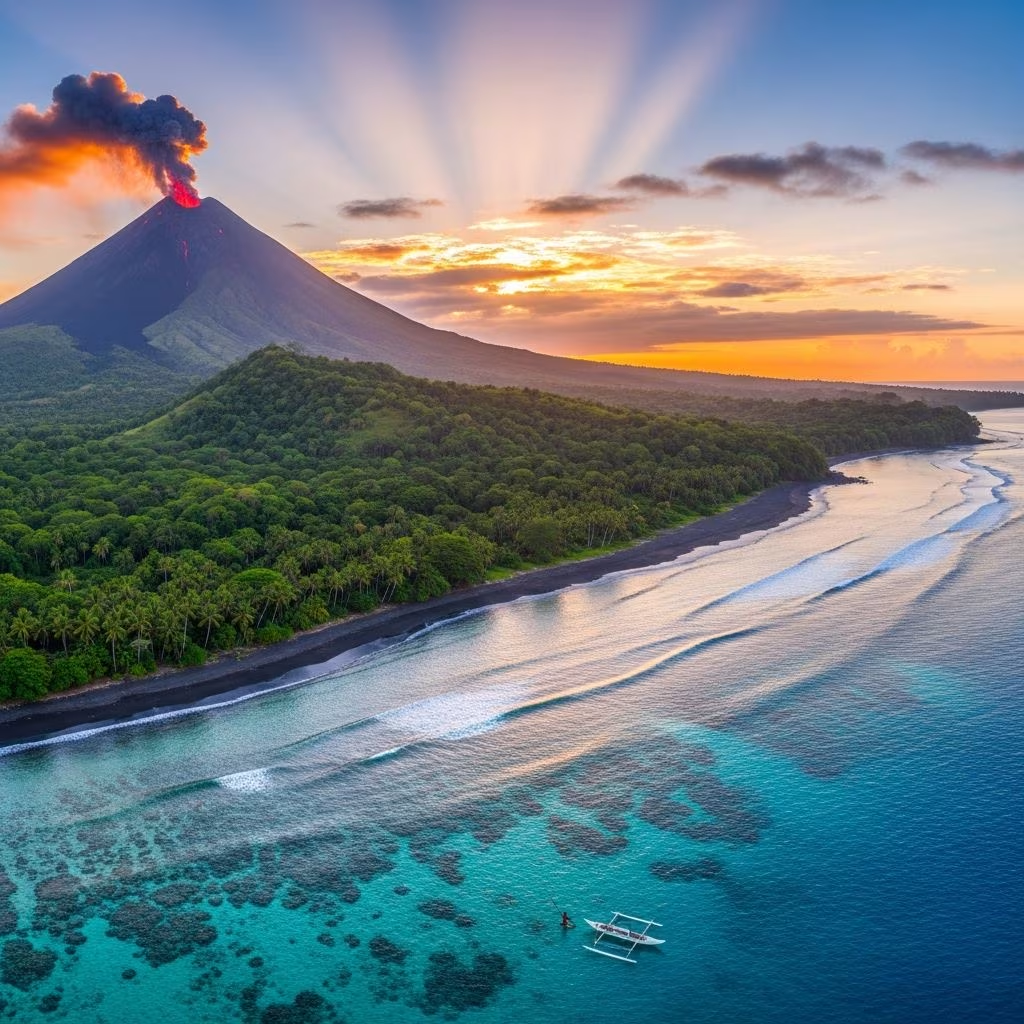
At the center of Tanna’s identity lies Mount Yasur, a continuously active volcano that has defined the island’s geography and culture for centuries. This geological phenomenon holds a distinctive global significance: it represents one of the world’s most accessible active volcanoes, allowing visitors with varying fitness levels to witness volcanic activity firsthand without requiring extensive technical climbing experience or specialized equipment.
The volcanic activity at Mount Yasur manifests as consistent and dramatic eruptions. A perpetual plume of smoke rises from the crater, creating an ever-present visual landmark visible from numerous vantage points across the island. The eruptions themselves project glowing lava projectiles skyward at impressive heights, frequently reaching elevations of up to 200 meters (656 feet) into the atmosphere. These eruptions occur intermittently throughout the day and night, creating a natural spectacle that has remained relatively unchanged for generations.
Visiting Mount Yasur typically involves several stages. Infrastructure at the mountain’s base includes a visitor center where organized tours commence. From this starting point, four-wheel-drive vehicles transport visitors up the 360-meter elevation to established drop-off points. The final approach to the crater rim requires a relatively brief but steep 10-minute walk, ensuring that those with moderate physical capabilities can still reach the observation area.
The experience transforms dramatically depending on the time of day. Daytime visits reveal the raw power and scale of the crater itself, with volcanic gases and ash creating atmospheric conditions that demand respect and caution. Evening and nighttime visits showcase the volcano’s most dramatic facet: the brilliant red glow of lava illuminating the crater’s interior and the surrounding sky. This nocturnal display creates an otherworldly environment that remains etched in visitors’ memories indefinitely.
While Mount Yasur dominates Tanna’s external landscape, the Blue Cave represents nature’s artistry operating on a more intimate scale. This natural grotto, carved into limestone cliffs on the island’s western coastline, exemplifies geological formations shaped by millennia of marine erosion and natural processes.
Accessing the Blue Cave demands more than casual visitation—it requires active participation and physical engagement. The entrance remains deliberately obscured, carved into sea cliffs in a manner that makes discovery challenging without local knowledge or professional guidance. The passage to the interior requires visitors to perform a shallow dive at high tide, transitioning through a water-filled tunnel to emerge within the cave’s interior chambers.
Upon entry, visitors encounter a landscape that seems extracted from fantasy literature or dreamscapes. The cave’s interior features a vaulted rock ceiling with a strategic opening that permits natural light to penetrate the chamber. This opening channels sunlight directly onto the cave’s interior pool, creating an intense luminescent effect on the water. The water’s particular chemical composition and mineral content produce striking turquoise coloration that intensifies the visual impact. Smooth rock surfaces throughout the interior provide comfortable seating areas where visitors can absorb the cave’s serene atmosphere, listening to water gently lapping against stone surfaces.
The Blue Cave experience represents more than visual beauty—it embodies the satisfaction of discovering hidden places and the thrill of accessing natural wonders that remain unknown to mass tourism circuits. The cave’s secluded nature and the effort required to reach it enhance the sense of discovery and accomplishment.
Beyond the island’s terrestrial attractions, Tanna’s surrounding waters present exceptional opportunities for marine recreation and exploration. The waters encircling the island have earned recognition for their exceptional clarity and visibility, conditions that make them ideal for both snorkeling and scuba diving activities.
The reef systems fringing Tanna support remarkable biodiversity. These underwater ecosystems host coral gardens in various stages of health and development, alongside deep rock pools and dramatic drop-offs that create varied diving environments. Marine fauna encountered in these waters span multiple species categories:
Professional diving operations on Tanna serve both experienced divers and those pursuing initial certifications. White Grass Ocean Resort and Spa operates Volcano Island Divers, the island’s sole PADI-accredited diving center. This facility provides structured training programs ranging from complete beginner courses through advanced specializations for experienced divers. Initial assessment processes conducted in controlled pool environments precede open-water diving expeditions. Those lacking diving certification can participate in guided snorkeling expeditions that provide comparable opportunities for marine observation and reef interaction.
Beyond environmental attractions, Tanna maintains distinctive cultural characteristics that differentiate it from most contemporary Pacific destinations. The concept of “kastom”—a Pidgin-derived term encompassing traditional Melanesian religious practices, artistic expressions, and spiritual systems—remains actively practiced within select communities.
Kastom represents accumulated wisdom, artistic traditions, and spiritual frameworks transmitted orally through generations, predating written documentation and formal institutional structures. This knowledge system encompasses cosmological understandings, social protocols, artistic techniques, and ceremonial practices that have maintained continuity despite centuries of external pressures and modernization forces.
Locating and visiting functioning kastom villages requires advance arrangement and respectful approach. These communities provide visitors with rare opportunities to observe and participate in Melanesian lifeways as they existed prior to colonial influence, mass tourism development, and technological integration. Such visits demand sensitivity regarding photography, appropriate dress, and behavioral standards that honor community norms and values. Respectful engagement with kastom communities creates meaningful cross-cultural exchanges that benefit both visitors and residents while contributing economically to communities maintaining these traditions against significant modernization pressures.
Planning successful Tanna experiences requires attention to seasonal variations and infrastructure realities. Meteorological conditions show marked seasonal variation across the year. The June through October period offers optimal conditions for visitors seeking warm temperatures combined with minimal rainfall probability. This extended window represents the dry season when outdoor activities proceed with minimal weather interruptions and volcanic observations benefit from clearer atmospheric conditions.
Transportation around the island requires strategic planning. While limited public minibus and truck services depart from Lenakel, the island’s primary settlement, private transfer arrangements through accommodation providers offer superior reliability and convenience. Most visitors arrange ground transportation through their lodging establishments, ensuring vehicles arrive at appropriate times and routes align with planned activities.
Adventure activities in geologically active environments demand appropriate safety protocols and awareness. Visitors planning Mount Yasur experiences should engage professional guided tours rather than attempting independent exploration. These guides possess real-time knowledge of volcanic conditions, safe viewing distances, and evacuation procedures. Additionally, monitoring current government safety advisories regarding volcanic activity ensures visitors make informed decisions aligned with current conditions.
The Blue Cave’s submerged entrance and water-based access similarly warrants guided experiences. Professional guides understand tidal patterns, water conditions, and individual assistance requirements, enabling safe access for participants across varied swimming abilities and confidence levels.
White Grass Ocean Resort and Spa represents the most developed hospitality infrastructure on Tanna, offering comfortable accommodations, dining facilities, and direct access to professional diving operations. This resort serves as an appropriate base for visitors prioritizing ease and convenience alongside adventure activities. The property’s oceanfront location provides aesthetic appeal and convenient access to snorkeling and diving departure points.
Beyond established resorts, additional smaller lodging options exist throughout the island, offering varied price points and atmosphere types. These alternatives appeal to budget-conscious travelers and those seeking more intimate, locally-operated experiences.
| Day | Primary Activity | Secondary Experiences |
|---|---|---|
| Day 1 | Arrival and acclimatization; volcano overview | Local orientation; accommodation setup |
| Day 2 | Blue Cave exploration and swimming | West coast scenic route; local guide engagement |
| Day 3 | Mount Yasur nighttime eruption viewing | Volcanic landscape photography; crater observation |
| Day 4 | Snorkeling or scuba diving on reef systems | Marine species observation; coral documentation |
| Day 5 | Kastom village visitation and cultural exchange | Traditional practice observation; artisan interactions |
Nighttime visits showcase the volcano’s most dramatic visual effects, with red lava illuminating the crater and surrounding atmosphere. Daytime visits reveal geological detail and scale more clearly. Both periods offer distinct advantages depending on photographic interests and personal preferences regarding atmospheric conditions.
Professional guides routinely assist non-swimmers through the submerged entrance passage using lifejackets and personal support. Guides either physically guide participants or provide buoyancy assistance ensuring safe transit through the access tunnel.
Green sea turtles appear frequently in reef areas around White Grass Ocean Resort, while schooling fish species, rays, and occasionally dolphins occur regularly. Sightings vary based on specific dive site selection and seasonal patterns.
Selected communities welcome respectful visitors through arranged tours. Success depends on advance arrangement through local guides and demonstrated respect for community protocols regarding photography, dress, and behavioral expectations.
Essential items include waterproof camera protection, sturdy hiking footwear for volcanic terrain, reef-safe sunscreen, lightweight clothing suitable for tropical conditions, and any required diving certifications. Insect repellent and basic medical supplies prove valuable given remote infrastructure.
