

 Travel Essentials
 Travel Essentials

Explore Tanzania's wildlife wonders like Serengeti safaris, Kilimanjaro climbs, Zanzibar beaches, and hidden parks. Essential tips for planning your dream East African trip.
 Travel Essentials
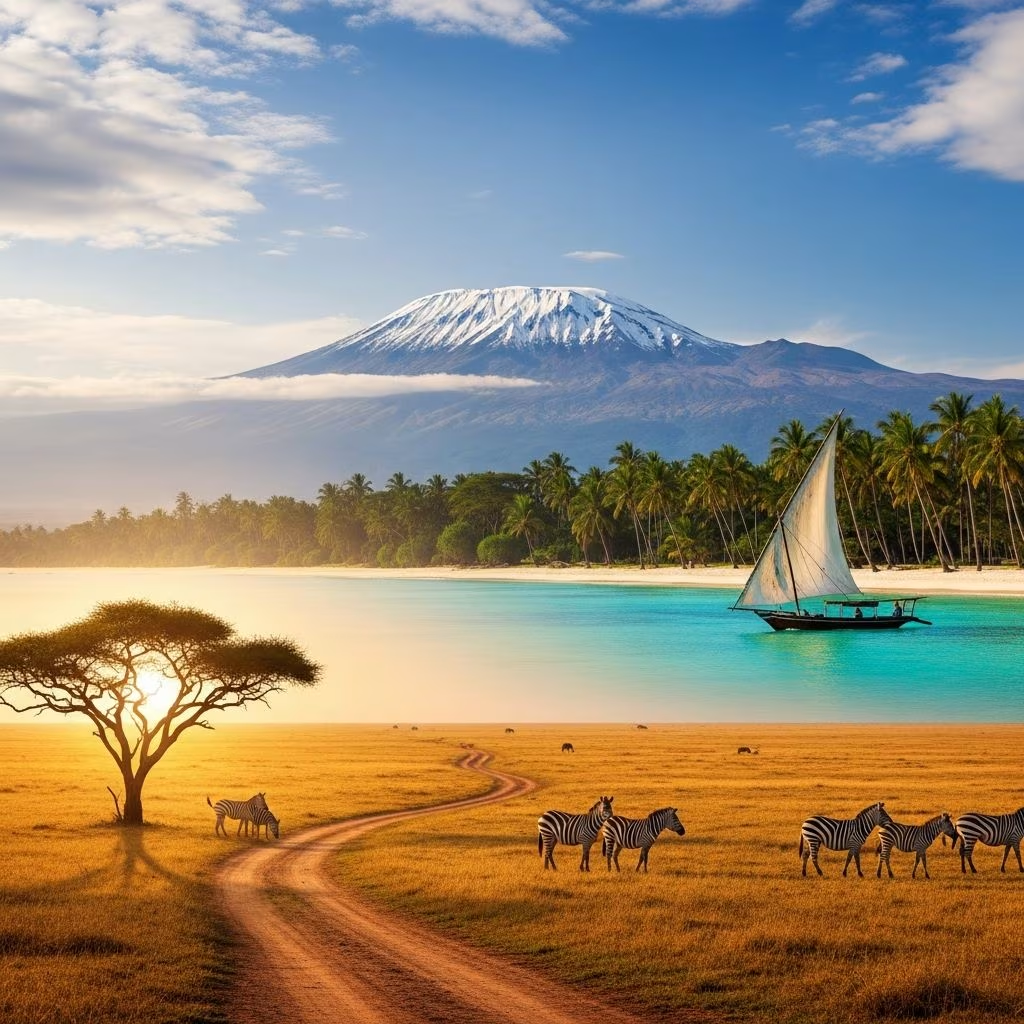
Tanzania stands as a crown jewel of East Africa, blending unparalleled wildlife spectacles, majestic peaks, and idyllic coastal escapes into one mesmerizing destination. Home to the world’s largest free-standing mountain and iconic savanna ecosystems, it offers transformative experiences for nature lovers, adventurers, and cultural explorers alike.
This vast nation, spanning over 947,000 square kilometers, delivers diversity unmatched in Africa. From the thundering herds of the Great Migration to spice-scented islands, Tanzania’s landscapes shift dramatically, fostering ecosystems teeming with life. Unlike overcrowded hotspots, its tourism emphasizes sustainable, personalized journeys, preserving wild corners for authentic encounters. The country’s stability and thoughtful development ensure visitors enjoy profound connections with nature and locals without the chaos of mass tourism.
Key draws include witnessing millions of wildebeest traverse endless plains, summiting snow-capped volcanoes, and unwinding on turquoise shores fringed by coral reefs. Tanzania’s cultural tapestry, woven by over 120 ethnic groups including the Maasai, adds depth through vibrant traditions and warm hospitality.
Tanzania’s national parks form the backbone of its safari legacy, split between bustling northern circuits and serene southern realms. These protected areas safeguard the Big Five—lion, leopard, elephant, buffalo, and rhino—alongside thousands of other species.
The north hosts Tanzania’s most famed parks, accessible from Arusha, the safari gateway near Kilimanjaro International Airport.
For solitude seekers, the south promises raw wilderness. Fly into Selous or Dar es Salaam for access.
Park Comparison Table:
| Park | Highlight | Best For | Season |
|---|---|---|---|
| Serengeti | Great Migration | Big Five, herds | Jun-Oct |
| Ngorongoro | Crater density | Rhinos, views | Year-round |
| Tarangire | Elephants | Birds, baobabs | Jun-Oct |
| Nyerere | Wild dogs | Boat safaris | Jun-Oct/Dec-Mar |
| Ruaha | Elephant herds | Remote wilderness | Jun-Oct |
Standing at 5,895 meters, Kilimanjaro is the world’s highest free-standing mountain and Africa’s tallest peak. Five routes—Marangu (easiest), Machame (scenic), Lemosho (longest)—cater to varied fitness levels. Success rates hover at 65%, demanding acclimatization to dodge altitude sickness.
Climbs span 5-9 days; June-October and January-March offer dry trails and Uhuru Peak views. Porters carry gear, allowing focus on the journey through rainforests, moorlands, and glaciers. Post-climb, relax in Arusha.
Off Tanzania’s coast, the Zanzibar Archipelago contrasts safaris with powdery sands, turquoise lagoons, and spice plantations. Stone Town, a UNESCO gem, buzzes with Swahili-Arab architecture, bustling markets, and seafood feasts.
Prime beaches like Nungwi and Kendwa boast year-round sun and water sports. Dive vibrant reefs teeming with turtles and rays. Combine with safaris via short flights from Arusha or Dar es Salaam.
June to March shines with dry weather and peak wildlife; July-August aligns with migration calving. Avoid April-May rains.
9-Day Classic Safari:
14-Day Ultimate: Add Kilimanjaro base camp trek or Ruaha extension.
U.S. citizens need visas ($100, on arrival or e-visa). Carry passport copies; originals in safes. Flights land at Kilimanjaro (JRO) or Dar (DAR). Internal charters link parks efficiently.
Safety: Stable but vigilant—avoid isolated areas, use registered guides. Malaria prophylaxis advised; yellow fever cert for some entries. Budget: $400-800/day for mid-range safaris including lodges/meals.
Currency: Tanzanian Shilling (USD widely accepted). English/Swahili spoken; tipping standard (porters $20/day).
Engage Maasai warriors learning spear-throwing or village visits. Authentic stays support conservation. Cuisine blends Indian, Arab influences: try ugali, nyama choma, pilau rice.
Q: What’s the best time for Serengeti Migration?
A: June-October for river crossings; calving January-March.
Q: Is Kilimanjaro for beginners?
A: No prior climbing needed, but fitness essential; 50-70% summit.
Q: Safe for solo travelers?
A: Yes with group tours; northern circuit most secure.
Q: Zanzibar vs. mainland beaches?
A: Zanzibar superior for culture/diving; Pemba quieter.
Q: Budget for 10-day safari?
A: $5,000-$10,000/person, excluding flights.
Choose operators backing anti-poaching and community projects. Low-impact travel sustains these wonders for generations.
