

 Travel Essentials
 Travel Essentials

Explore Tbilisi's best destinations including ancient fortresses, sacred cathedrals, innovative art spaces, and vibrant neighborhoods perfect for every traveler.
 Travel Essentials
Tbilisi, the vibrant heart of Georgia, stands as a captivating destination where ancient traditions seamlessly blend with contemporary innovation. This sprawling capital city, nestled along the Mtkvari River, offers visitors an extraordinary tapestry of experiences ranging from centuries-old religious monuments to cutting-edge cultural spaces. Whether you’re a history enthusiast, art lover, adventure seeker, or culinary explorer, Tbilisi presents countless opportunities to engage with Georgian culture and create lasting memories.
The capital of Georgia carries profound historical weight, serving as a crossroads between Eastern and Western civilizations for millennia. The city’s architecture tells stories of prosperity, conquest, and resilience, with each era leaving distinctive marks on its landscape. Understanding this historical context enriches any visit to the city, transforming casual sightseeing into meaningful cultural engagement. From medieval structures to Soviet-era buildings and modern developments, Tbilisi’s skyline represents a living chronicle of human achievement and adaptation.
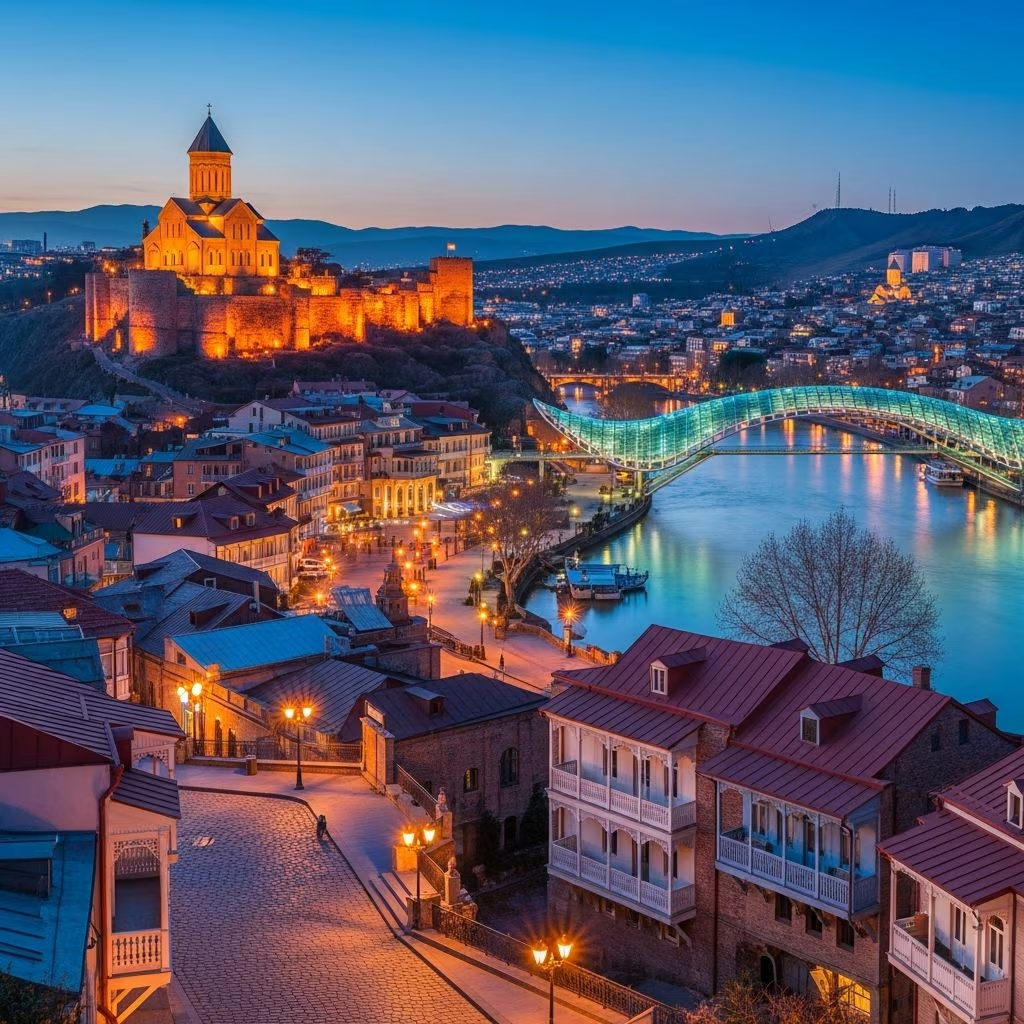
Wandering through Tbilisi’s Old Town represents one of the most immersive experiences available to visitors. This historic quarter features labyrinthine cobblestone streets, ornate balconies perched precariously above narrow passages, and hidden courtyards tucked away from main thoroughfares. The architecture reflects diverse influences—Persian, Ottoman, Russian, and Georgian—creating a visually stunning environment that rewards exploration around every corner.
The Old Town’s appeal extends beyond its architectural charm. Street art adorns walls throughout the district, transforming the urban landscape into an open-air gallery. Contemporary murals contrast with centuries-old structures, demonstrating how Tbilisi embraces both its heritage and modern creative expression. Visitors often discover charming cafes, intimate wine bars, and artisanal shops that cater to both local residents and travelers seeking authentic experiences.
Perched dramatically above the Old Town, the fortress commanding the skyline represents one of Tbilisi’s most recognizable symbols. Accessible via funicular railway or cable car, this elevated vantage point provides sweeping panoramic views extending across the entire city and distant surrounding mountains. The aerial tramway itself has become an attraction, offering visitors an enjoyable journey while ascending the hillside. From this commanding position, photographers capture stunning images of urban sprawl, river valleys, and architectural diversity that characterize modern Tbilisi.
Positioned near the fortress sits an iconic statue representing Georgian national character and values. This colossal bronze figure, erected to commemorate significant historical anniversaries, depicts a woman holding multiple objects—a sword symbolizing protection against adversaries and a bowl representing hospitality toward friends. The sculpture has become deeply embedded in Georgian collective identity, visible from numerous vantage points throughout the city. Standing before this monument provides context for understanding Georgian cultural pride and the values that have sustained the nation through challenging historical periods.
In stark contrast to ancient structures, contemporary monuments showcase Georgia’s forward-thinking approach to urban development. A striking structure spanning the Mtkvari River combines engineering innovation with aesthetic sophistication, earning its nickname from its distinctive illuminated nighttime appearance. This architectural marvel has become a symbol of modern Tbilisi, attracting photographers during both daytime and evening hours. The nearby recreational area offers landscaped gardens, interactive fountains, and public spaces designed for relaxation and social interaction.
One of the world’s largest Orthodox cathedrals dominates Tbilisi’s skyline, representing a contemporary interpretation of traditional Georgian ecclesiastical architecture. This massive white structure combines Byzantine and Georgian architectural elements, creating a visually distinctive landmark visible across the city. Its construction incorporated modern materials and techniques while respecting classical design principles. Visitors entering this sacred space encounter soaring interior dimensions, intricate religious artwork, and a spiritual atmosphere that transcends denominational boundaries.
Several ancient churches throughout the city exemplify different periods of Georgian Christian development. One notable sixth-century temple features distinctive architectural elements and houses important religious relics, including objects crafted by early Christian missionaries. These sacred sites provide insight into Georgia’s profound religious heritage and the central role Christianity has played in national identity. Many churches remain active places of worship while simultaneously functioning as historical monuments, creating environments where spiritual practice and cultural tourism intersect.
A internationally acclaimed puppet theater housed in a historic building offers performances that captivate audiences through sophisticated artistry and innovative storytelling. This cultural institution has earned international recognition for its creative interpretations of classic tales and original productions. The theater’s unique approach to performance demonstrates how traditional art forms can evolve while maintaining their fundamental appeal. Visitors experience the meticulous craftsmanship involved in creating and manipulating elaborate marionettes, gaining appreciation for this specialized theatrical tradition.
Tbilisi hosts numerous museums preserving Georgian cultural heritage and artistic achievements. Notable institutions showcase archaeological discoveries, historical artifacts, fine art collections, and contemporary exhibitions. These repositories of knowledge and culture provide structured opportunities to understand Georgia’s evolution from ancient kingdoms through modern periods. Museums throughout the city accommodate various interests, from natural history to modern art, ensuring visitors at all educational levels can find enriching experiences.
Accessible via funicular from downtown areas, an elevated recreation zone features amusement park attractions, observation decks, and dining establishments. A Ferris wheel rises prominently above the landscape, providing aerial perspectives of the city while offering entertainment value. The facility operates extended hours, accommodating both daytime visitors seeking panoramic views and evening visitors enjoying city lights. This combination of natural elevation and human-engineered attractions creates a destination appealing to families, couples, and solo travelers alike.
A recently developed recreational zone on the Mtkvari River’s opposite bank provides landscaped gardens, recreational facilities, and cultural venues. Connected to Old Town via a distinctive modern bridge, this area has become increasingly popular among both residents and visitors. The space features sculptural installations, interactive water features, and abundant seating areas encouraging extended stays. The environment balances recreational activities with cultural attractions, appealing to diverse visitor preferences and age groups.
Converted industrial spaces have been reimagined as vibrant multipurpose venues combining retail, dining, and entertainment. A former Soviet-era sewing factory now houses boutique shops, contemporary restaurants, craft beverage venues, and accommodation options. These transformed spaces embody Tbilisi’s creative energy and entrepreneurial spirit, representing how historical structures gain new relevance through adaptive reuse. Visitors encounter locally designed products, international influences, and contemporary cultural programming within restored historic architecture.
Open-air flea markets operating year-round offer opportunities to discover vintage treasures, antique furnishings, traditional crafts, and eclectic memorabilia. These unstructured shopping environments reward patient browsing, with vendors displaying merchandise across extensive outdoor spaces. Haggling represents an expected element of the transaction process, adding interactive dimension to the shopping experience. Markets provide authentic encounters with local residents and glimpses into everyday commercial practices within Georgian society.
A mountainside cemetery near downtown areas preserves the graves of Georgia’s most celebrated cultural figures—renowned actors, celebrated writers, and accomplished poets. This hillside location provides both historical significance and scenic vantage points overlooking urban landscapes. Visiting this peaceful repository offers contemplative experiences while acknowledging the individuals who shaped Georgian cultural expression. The setting combines natural beauty with cultural importance, creating opportunities for reflection on national heritage and artistic legacy.
The city’s rapid transit system incorporates artistic elements throughout station designs. While not matching the lavish decoration of some Eastern European metro systems, thoughtful embellishments—including sculptural reliefs, mosaic panels, and thematic artwork—enliven underground spaces. The deepest station features an extraordinarily long escalator descending to platform level. Exploring transit infrastructure provides insight into urban planning priorities and aesthetic considerations within functional spaces.
Tbilisi’s wine bars and restaurants celebrate Georgia’s ancient viticultural heritage, offering opportunities to sample distinctive amber-hued wines produced through traditional fermentation methods. Historic wine museums display traditional winemaking equipment and elaborate terra-cotta vessels used for generations. Educational tastings paired with knowledgeable sommeliers enhance appreciation for this fundamental aspect of Georgian culture. Wine consumption in Tbilisi extends beyond beverage enjoyment, representing social connection, hospitality rituals, and cultural continuity.
| Attraction Type | Recommended Duration | Best Time to Visit | Accessibility Notes |
|---|---|---|---|
| Old Town Walking | 3-4 hours | Early morning or evening | Uneven cobblestones; wear comfortable shoes |
| Fortress Complex | 2-3 hours | Sunset hours | Funicular available; hiking trails also accessible |
| Religious Sites | 1-2 hours each | Mid-morning | Modest dress recommended; some require shoe removal |
| Museums | 2-4 hours | Afternoon hours | Most facilities air-conditioned; elevators typically available |
| Parks and Recreation | 2-3 hours | Daytime or evening | Varied terrain; paths generally well-maintained |
A minimum of three to four days allows visitors to experience primary attractions while maintaining a comfortable pace that includes meals, rest breaks, and spontaneous discoveries. However, extended stays of one week or longer enable deeper exploration of neighborhood characteristics, museum collections, and surrounding day-trip destinations. The city rewards both hurried visits and leisurely exploration depending on individual travel preferences and schedules.
The Old Town represents an essential starting point, providing historical context and central orientation. From there, travelers can expand outward to explore adjacent areas containing cultural institutions, recreational facilities, and contemporary developments. This geographical approach facilitates logical progression while allowing flexibility for detours and unexpected discoveries that often characterize rewarding travel experiences.
Tbilisi operates affordable metro, bus, and minibus systems requiring purchased transit cards. Funiculars provide convenient access to elevated attractions. Taxis and ride-sharing applications supplement public transportation for longer distances or late-night travel. Navigation applications assist with route planning and real-time transit information, reducing confusion for visitors unfamiliar with local systems.
Georgian hospitality traditions emphasize warmth toward guests, though public behavior expectations include modest dress in religious spaces. Photography policies vary by venue—always seek permission before photographing individuals. Wine consumption represents important cultural practice, but visitors should engage at personally comfortable levels. Bargaining occurs naturally in market environments but less so in commercial retail establishments.
Tbilisi emerges as an extraordinarily rewarding destination offering multifaceted experiences suitable for diverse traveler profiles. The city successfully balances historical preservation with contemporary development, creating environments where ancient traditions coexist alongside modern innovation. Whether drawn by architectural splendor, cultural richness, culinary excellence, or simply the desire for novel experiences, visitors discover abundant reasons to explore Georgia’s dynamic capital. Each neighborhood, monument, institution, and interaction contributes to a comprehensive understanding of this fascinating city positioned at the intersection of civilizations.
