

 Travel Essentials
 Travel Essentials

Explore Vietnam's Tet Lunar New Year: from preparations and symbolic foods to regional festivities and travel tips for an authentic experience.
 Travel Essentials
Vietnam’s Tet, or Lunar New Year, stands as the cornerstone of the nation’s cultural calendar, blending ancient rituals with joyous communal festivities. Falling between late January and mid-February, it heralds spring’s arrival and renewal for millions.
Tet Nguyen Dan, meaning ‘Feast of the First Morning of the First Day,’ marks the lunar calendar’s reset, typically on the second new moon post-winter solstice. In 2026, celebrations kick off February 17, spanning a week of family gatherings and public revelry. This holiday fuses history, folklore, and modernity, evolving from agrarian roots into a nationwide spectacle of hope and prosperity.
Rooted in lunar cycles, Tet symbolizes rebirth, much like spring’s thaw. Families across Vietnam pause daily life for reflection, gratitude, and forward-looking optimism, making it comparable to multiple Western holidays combined.
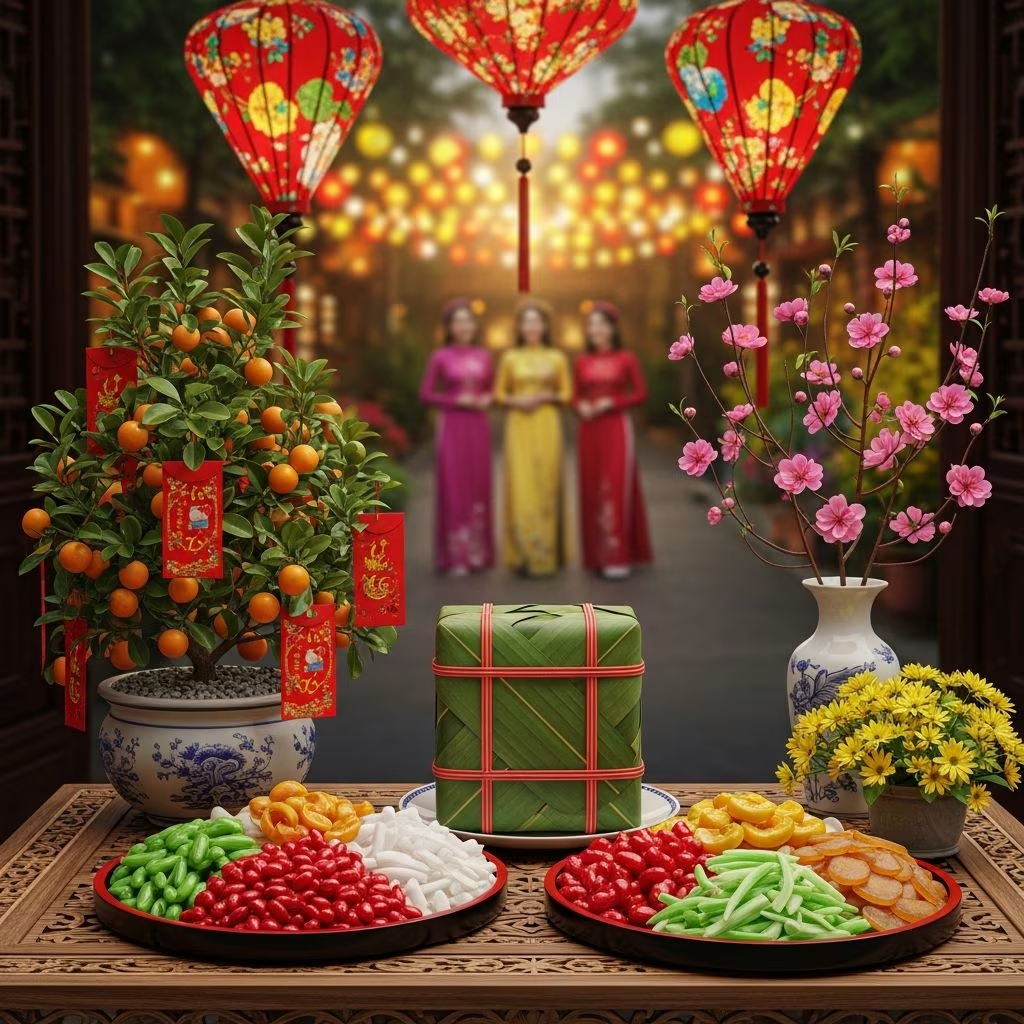
Weeks before Tet, Vietnam buzzes with anticipation. Homes undergo thorough cleanings to sweep away misfortune, paving the way for good luck. Streets fill with motorbikes hauling kumquat trees in the north—symbols of abundance with their golden fruits—or vibrant peach blossoms evoking vitality.
In Hanoi, the Quảng Bá Flower Market transforms into a pink sea of peach boughs, while Ho Chi Minh City’s Nguyễn Huệ Street hosts massive floral extravaganzas with ochna blooms dominating the south. These preparations foster a festive aura, with ‘Chúc Mừng Năm Mới’ (Happy New Year) banners adorning every corner.
Tet’s heart beats in family-centric rituals. On Giao Thua Eve (lunar December 30th to January 1st), households erect altars laden with offerings: sticky rice, boiled chicken, spring rolls, and Vietnamese sausages. Incense wafts as families pray for ancestors’ blessings, inviting them to partake in the feast.
At midnight, the sacred Xiaoa moment ushers the new year. Fireworks illuminate city skies, gongs resonate, and dragon dances chase evil spirits. Many vigil until dawn, believing these hours shape the year’s fortune.
| Ritual | Northern Tradition | Southern Variation |
|---|---|---|
| Decorations | Kumquat trees for prosperity | Ochna flowers for luck |
| Main Offering | Banh chung (square rice cake) | Banh tet (cylindrical rice cake) |
| Flower Markets | Quảng Bá peach blossoms | Nguyễn Huệ floral parade |
This table highlights regional nuances, where square banh chung represents earth in folklore—legend says a prince won the throne with this dish symbolizing heaven and earth.
No Tet passes without indulgent spreads. Mut Tet—candied fruits like coconut, tamarind, ginger, and carrots—graces tea tables alongside nuts (watermelon seeds, pistachios) for health and cheer. Refusing food invites bad luck, fueling memes about post-Tet weight gain.
These dishes carry deep symbolism: roundness for completeness, green leaves for harmony with nature. Feasts extend days, with overeating embraced as auspicious.
Beyond rituals, Tet sparkles with play. Children recite greetings for lì xì red envelopes from elders, fostering generosity. Dice, card games, and folk contests wager small stakes, uniting generations.
Public spaces erupt in lion and dragon dances, gong ensembles, and parades. Firecrackers, though restricted, echo symbolically to banish misfortune. Parks host craft fairs and storytelling, blending tradition with modern stages.
Hanoi’s Old Quarter alleys brim with curbside altars on Eve, families in new finery snapping photos amid chill winds. Ho Chi Minh City pulses with youthful energy: áo dài-clad crowds flock to flower shows, selfie sticks in hand.
Northern Tet emphasizes solemn ancestor worship and peach motifs; southern vibes lean vibrant with yellow blooms and elongated cakes. Both share core joy, but local flavors enrich the tapestry.
Tet’s allure draws visitors, but plan wisely. Celebrations span three days pre-New Year to post, with transport chaos—book tickets early, avoid January peak travel.
Embrace quiet villages for intimate rituals or urban spectacles for energy. Tet offers profound cultural immersion.
Tet thrives on omens. First visitor post-midnight dictates luck—preferred are joyful elders. Sweeping post-Tet accrues misfortune; debts clear pre-holiday. Zodiac animals (2026 Horse year) influence horoscopes. Red dominates for vitality, gold for wealth.
Urbanization adds flair: social media shares feasts, K-pop infused lion dances. Yet, core values—family, gratitude—endure. Overseas Vietnamese sustain Tet globally, exporting Vietnam’s spirit.
Tet begins February 17, 2026, lasting about a week.
Don’t argue, sweep floors, or return home early—seen as unlucky.
Yes! Markets and dances welcome visitors; homestays offer authentic experiences.
Kumquats promise wealth (golden fruit); peaches vitality (blossoms).
Both: private rituals blend with street parades and fireworks.
