


 Food & Culture
Food & Culture
Texas Hill Country Wine Guide: Best Trails, Wineries & Travel Tips
A comprehensive guide to Texas Hill Country's wine trails, wineries, and tasting experiences perfect for weekend getaways and wine enthusiasts.
 Food & Culture
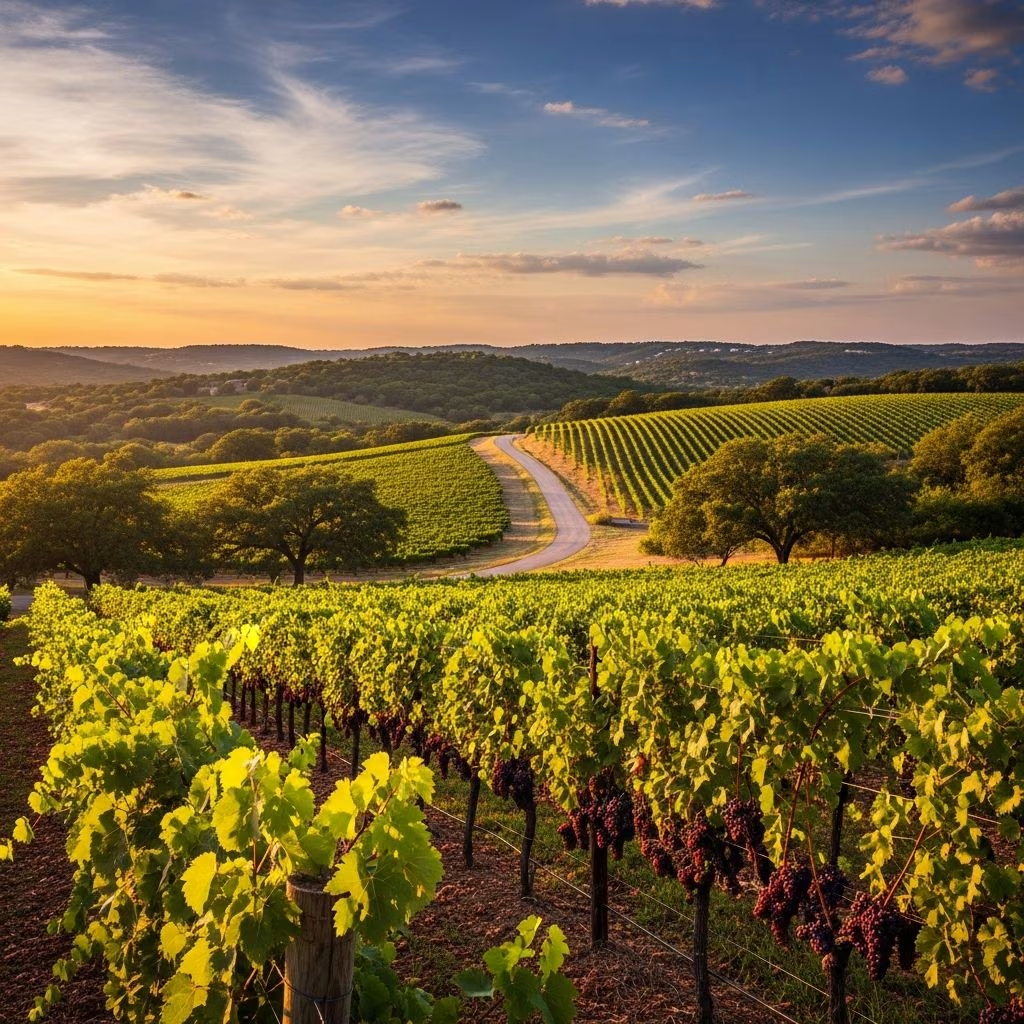
Texas Hill Country has emerged as one of America’s most dynamic wine destinations, attracting approximately one million wine enthusiasts annually. Located west of Austin and north of San Antonio, this expansive American Viticultural Area (AVA) encompasses more than 100 wineries nestled across rolling limestone hills and scenic plateaus. Whether you’re a seasoned wine connoisseur or a casual enthusiast, the region offers an exceptional blend of world-class wines, authentic Texan hospitality, and breathtaking natural landscapes.
Understanding Texas Hill Country’s Wine Heritage
The Texas Hill Country AVA was officially established in 1991, making it a relatively young wine region by global standards. However, the history of viticulture in Texas extends back centuries, with grape cultivation beginning as early as the 1600s. This rich heritage combines with modern winemaking techniques to produce distinctive Mediterranean-style wines that reflect the region’s unique terroir.
The area’s sub-regions showcase their own characteristics: Bell Mountain, designated as Texas’s first AVA in 1986, and Fredericksburg in the Texas Hill Country, established in 1988, each offer distinct microclimates and soil compositions that influence wine production.
The Distinctive Terroir and Wine Character
What makes Texas Hill Country wines truly special is their sense of place. The region’s terroir results from calciferous limestone, granite outcrops of the Llano Uplift, and significant temperature variations between day and night. These geological and climatic factors create wines with vibrant acidity and distinctive rustic minerality that set them apart from other American wine regions.
The signature grape varieties flourishing in this environment include Spanish, Rhône, and Italian varieties such as Tempranillo, Tannat, and Mourvèdre. Sangiovese thrives alongside aromatic white varieties like Viognier, Vermentino, and Albariño. These grape selections reflect both the region’s Mediterranean climate and winemakers’ commitment to producing distinctive, award-winning wines.
Primary Wine Trails and Routes
Fredericksburg Wine Road 290
The most prominent wine destination in Texas Hill Country is the Fredericksburg Wine Road 290, the region’s best-known and most visited wine trail. This route travels east-west along Highway 290, featuring over 45 wineries that welcome visitors. The trail represents the heart of the region’s wine culture, with convenient access and exceptional tasting opportunities.
The Fredericksburg Wine Road 290 encompasses 12 primary wineries served by the official shuttle service, including Grape Creek Vineyards, Torre Di Pietra, Becker Vineyards, Woodrose Winery, Pedernales Cellars, Fat Ranch Winery, Four Point Cellars, Inwood Estates, Mendelbaum Cellars, Messina Hof, Six Shooter Cellars, and Fiesta Winery.
The Guadalupe Wine Trail
For those seeking a more intimate wine experience, the Guadalupe Wine Trail offers a curated selection of six boutique wineries. This trail extends south of Fredericksburg on Interstate 35 to Kerrville, passing through charming communities like Comfort and Sisterdale before ending in New Braunfels.
Wineries along this route include Singing Water Vineyards, Kerrville Hills Winery, Dry Comal Creek, The Chisholm Trail Winery, Sister Creek Vineyards, and Bending Branch Winery. The Guadalupe Trail is expected to expand in coming years, offering growing opportunities for wine enthusiasts.
The Colorado River Wine Trail
The Colorado River Wine Trail presents another compelling option for wine exploration, beginning just north of Marble Falls and extending through Burnet, Lampasas, and San Saba before concluding at Lake Buchanan. This trail similarly features family-owned, boutique wineries that emphasize quality over quantity.
Notable wineries on this trail include Flat Creek Estate, Perissos, Texas Legato Winery, Lometa and Fiesta Winery, Alamosa Wine Cellars, Wedding Oak Winery, and Fall Creek Vineyards. The Colorado River region combines wine tasting with scenic natural beauty, creating a comprehensive visitor experience.
Planning Your Wine Trail Experience
Duration and Pacing
The scale of Texas Hill Country’s wine offerings allows for visits of varying lengths. Many visitors complete a comprehensive wine trail experience in three to four days, though the region supports extended stays of up to two weeks for thorough exploration.
The Guadalupe Wine Trail can theoretically be completed in a single day given its compact size, though such an itinerary would sacrifice depth of experience. More balanced approaches distribute winery visits across multiple days, allowing adequate time for tastings, conversations with winemakers, and local exploration.
Transportation Options
For visitors prioritizing safety and convenience, the Fredericksburg 290 Wine Shuttle offers an excellent alternative to self-driving. Operating for approximately $20, this service provides an all-day driver to transport your group between the 12 featured wineries along Wine Road 290.
Numerous wine tour operators throughout the region cater to varying group sizes and preferences. The Texas Hill Country Wineries Association maintains a directory of approved tour operators specializing in Fredericksburg Wine Road 290 experiences. These professional services ensure access to wineries and provide knowledgeable commentary about regional wine production.
Gateway Communities and Cultural Attractions
Driftwood
Closest to Austin, Driftwood serves as the logical starting point for wine journeys into Hill Country. Located just 30 minutes from Austin, this area provides convenient access to multiple wineries while maintaining proximity to urban amenities.
Fredericksburg
The charming town of Fredericksburg, situated approximately 75 minutes west of Austin, anchors the region’s wine tourism infrastructure. Beyond wine tasting, Fredericksburg offers vibrant shopping districts, acclaimed restaurants, live country music venues, and craft breweries within walking distance of numerous tasting rooms. This concentration of cultural and culinary attractions makes Fredericksburg an ideal base for extended wine country stays.
Historic and Cultural Landmarks
The region extends beyond wine appreciation to encompass significant historical sites. The Texas White House, President Lyndon B. Johnson’s personal retreat, offers visitors insights into American presidential history while maintaining proximity to wine tasting opportunities. Such attractions provide cultural enrichment to complement wine experiences.
Culinary Integration and Farm-to-Table Dining
Texas Hill Country’s wine culture extends seamlessly into its culinary scene. Farm-to-table eateries throughout the region showcase locally-sourced ingredients and preparations that complement regional wines. The integration of artisan wineries with contemporary cuisine creates a uniquely Texan wine country experience.
The region’s culinary traditions include celebrated barbecue establishments near gateway communities, providing authentic Texas flavors alongside wine tastings. This combination of premium wines and exceptional regional cuisine enhances the overall visitor experience.
Seasonal Considerations and Visitor Planning
Texas Hill Country welcomes wine tourists throughout the year, though seasonal variations affect the experience. Spring brings wildflower blooms and comfortable temperatures ideal for outdoor wine activities. Summer offers extended daylight hours but can present heat considerations. Fall provides cooling temperatures and harvest season activities, while winter delivers fewer crowds and intimate tasting opportunities.
The region’s popularity, attracting approximately one million visitors annually, suggests advance planning during peak seasons. Reservations at popular wineries and accommodation arrangements should be secured well in advance for spring and summer visits.
Featured Winery Experiences
Notable wineries throughout the region offer distinctive visitor experiences. William Chris Vineyards, a family-owned boutique operation, specializes in 100 percent Texas wines, representing the region’s commitment to local grape cultivation. Flat Creek Estate, an 80-acre vineyard property located an hour outside Austin, provides immersive vineyard experiences combining wine tasting with agricultural education.
Texas Hills Vineyard, positioned one mile east of Johnson City on Ranch Road 2766 near Pedernales Falls State Park, integrates natural scenic beauty with wine experiences. Such diverse winery locations throughout the region ensure varied experiences catering to different preferences and schedules.
Frequently Asked Questions About Texas Hill Country Wine Tours
What is the best time to visit Texas Hill Country wineries?
Spring (March-May) and fall (September-November) offer ideal weather conditions for wine tasting and exploration. Summer can be hot, while winter provides smaller crowds and more intimate experiences.
How many wineries can I visit in one day?
Most wine enthusiasts comfortably visit 3-4 wineries daily, allowing time for meaningful tastings and conversations. The Fredericksburg 290 Wine Shuttle service recommends avoiding all 12 featured wineries in a single day.
Do I need to make reservations in advance?
During peak seasons (spring and summer), advance reservations are highly recommended. Off-season visits may allow walk-in tastings, though calling ahead remains advisable.
What should I expect to spend on wine tasting?
Tasting fees vary by winery but typically range from $10-$20 per person. Many establishments waive fees for wine purchases. Guided tour services add approximately $20 for all-day shuttle experiences.
Are there non-wine activities in the region?
Yes. The region offers shopping, dining, live music, breweries, historical landmarks, and outdoor recreation alongside wine experiences.
Practical Travel Recommendations
Visitors planning Texas Hill Country wine experiences should establish a realistic itinerary balancing travel distance with meaningful wine tasting time. The region’s geographic spread across multiple wine trails requires thoughtful route planning to maximize efficiency while minimizing travel time.
Accommodations range from luxury resort properties to intimate bed-and-breakfast establishments, with most concentrated around Fredericksburg. Advance booking during peak seasons ensures availability and favorable rates.
Designated driving arrangements or wine shuttle services should be organized before beginning any tasting activities. This commitment to responsible alcohol consumption enhances the overall experience while ensuring visitor safety.
Conclusion: Creating Your Texas Hill Country Wine Journey
Texas Hill Country represents one of America’s most accessible and welcoming wine destinations. With more than 100 wineries, multiple distinct wine trails, and gateway communities offering diverse attractions, the region accommodates wine enthusiasts at all experience levels. Whether completing a three-day concentrated exploration or an extended multi-week investigation, visitors discover distinctive wines reflecting unique terroir, warm Texas hospitality, and the region’s emerging place in American wine culture.
References
- A Guide to Texas Hill Country Wineries — Carpe Travel. 2024. https://carpe-travel.com/a-guide-for-planning-a-texas-hill-country-wine-experience-texas-hill-country-wineries/
- Texas Hill Country – Wine Folly — Wine Folly. 2024. https://texashillcountry.guides.winefolly.com
- On the Texas Wine Trail from Austin to Fredericksburg — The Wine Chef. 2024. https://www.thewinechef.com/blog/texas-hill-country
- The Best Wine Tour in the Beautiful Texas Hill Country — The Nitty Gritty Travel Trot. 2023. https://thenittygrittytravelot.com/the-best-wine-tour-in-the-beautiful-texas-hill-country/
- Take a Four-Day Texas Hill Country Road Trip — Moon Travel Guides. 2023. https://www.moontravelguides.com/travel/road-trips/texas-hill-country-road-trip/
On This Page
Understanding Texas Hill Country's Wine Heritage The Distinctive Terroir and Wine Character Primary Wine Trails and Routes Planning Your Wine Trail Experience Gateway Communities and Cultural Attractions Culinary Integration and Farm-to-Table Dining Seasonal Considerations and Visitor Planning Featured Winery Experiences Frequently Asked Questions About Texas Hill Country Wine Tours Practical Travel Recommendations Conclusion: Creating Your Texas Hill Country Wine Journey← Previous
Jekyll Island Guide: Beaches, History, Dining & Things to Do
Next →
Shimonoseki Fugu Guide: Japan’s Famous Blowfish Capital
Related Reading
More in Food & Culture
Food & Culture Food & Culture
 Food & Culture
Best Places to Eat in Rome: Neighborhood Dining Guide
 Food & Culture
 Food & Culture